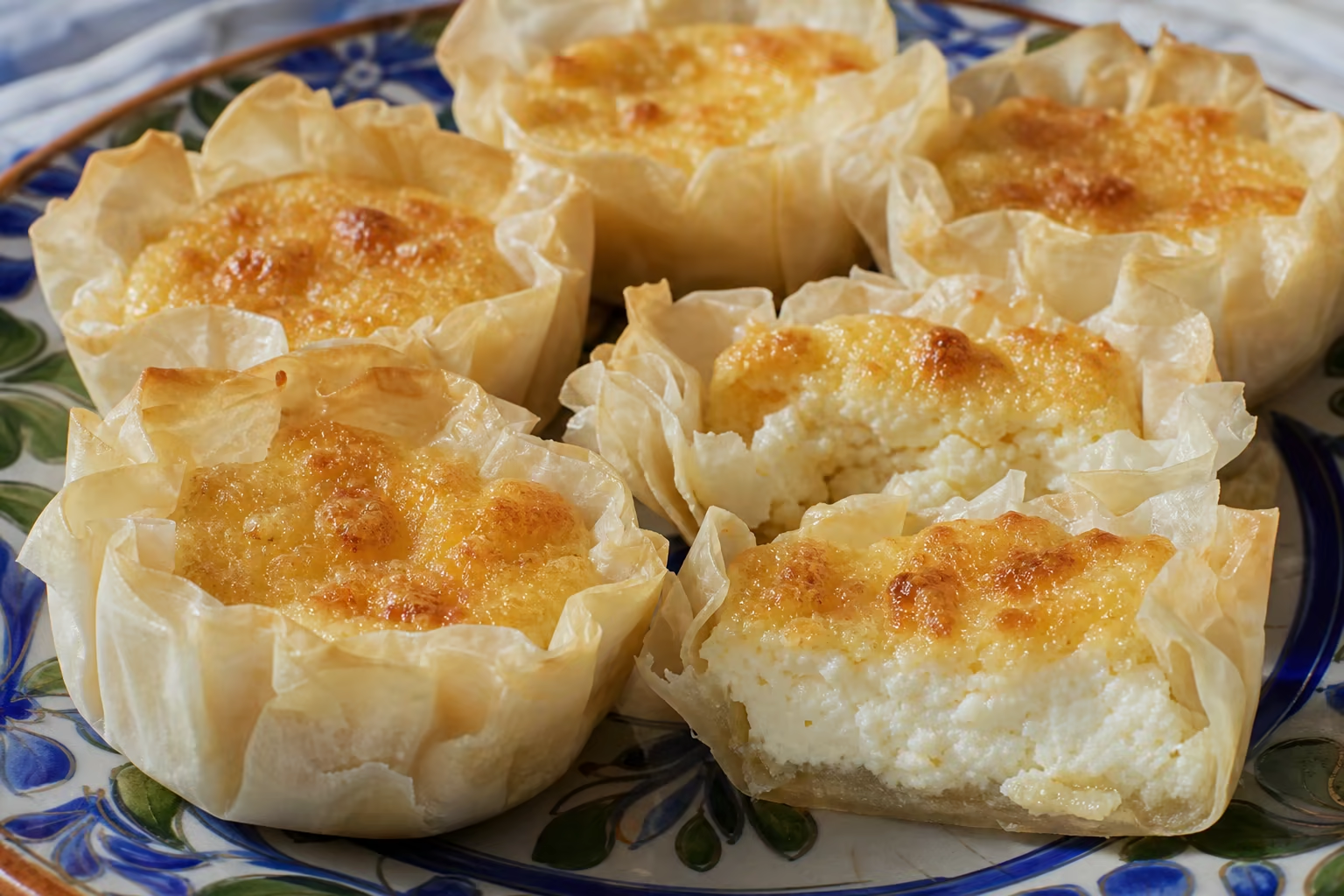
Estremoz Queijadas
Also known as: Estremoz Cheese Tarts · Alto Alentejo Queijadas
A wafer-thin pastry case cradling the sweetness of sheep's cheese.
- Origin
- Conventual confectionery of the Alto Alentejo · rooted in the region's convents, part of the old family of Alentejo queijadas
- Place
- Estremoz
- Region
- The Alentejo
- Category
- Convent Sweets
- Season
- Year-round
- Evidence
- Well documented
Queijadas de Estremoz are small round pastries of very thin, fluted pastry, filled with a golden cream of fresh sheep's cheese, egg yolks and sugar. The shell, made with flour, egg, butter and lard, is rolled until almost translucent and cradles the filling in a fluted case of about seven centimetres.
Seen from above they resemble pastry flowers, with the pleats raised and the lightly browned centre peeking through. They are eaten in one or two bites: first the crisp, thin crust, then the soft, moist filling, scented with cheese, more saline and less sweet than cousins made with requeijão.
They are a tray sweet, sold by the dozen in the pastry shops and fairs of Estremoz, served over the counter to accompany coffee or carried home in cardboard boxes as a souvenir of the town.
- Fresh sheep's cheese
- Egg yolks
- Sugar
- Wheat flour
- Butter
- Lard
- Water
- Salt
- Lemon zest or cinnamon (optional)
Contrast is everything: a thin, crisp shell against a soft, moist filling, sweet yet cut through by the saline, milky tang of sheep's cheese that keeps it from cloying.
They belong to the same family as the queijadas of Évora, Elvas, Vila Viçosa and Portalegre; in some the fresh cheese gives way to requeijão and the proportions shift, while others scent the filling with lemon zest or cinnamon.
Look for them in the traditional pastry shops and confectioners of Estremoz and at local fairs, especially the lively weekly market on the Rossio Marquês de Pombal, where they are sold fresh and by the dozen.
They call for a full coffee or a short espresso; in the late afternoon they pair beautifully with a glass of Moscatel or a fortified Alentejo wine.
Queijadas belong to Portugal's vast conventual recipe tradition, in which nuns made use of the milk and cheese from the stud farms and quintas nearby to create sweets rich in yolks and sugar. The Alentejo, land of pastoralism and large sheep flocks, made fresh cheese and requeijão the natural basis of these delicacies, and there are old references to queijadas in the conventual recipe books of the region.
With the gradual suppression of the religious orders throughout the nineteenth century, the recipes passed from convents to households and pastry shops, each village fixing its own variant. Estremoz thus established itself with its thin-pastry queijada filled with sheep's cheese, now recognised as one of the most notable in the family of Alto Alentejo queijadas, alongside those of Évora, Elvas, Vila Viçosa and Portalegre.
Well documented
Identity supported by institutional, specialist or corroborating sources.
- tradicional.dgadr.gov.pt/pt/cat/doces-e-produtos-de-pastelaria/212-queijadas-de-requeijao (opens in a new tab)
- tradicional.dgadr.gov.pt/en/categories/desserts-and-pastry/212-queijadas-de-requeijao (opens in a new tab)
- ruralea.com/queijadas-de-requeijao/ (opens in a new tab)
- cm-estremoz.pt/pagina/turismo/produtos-regionais (opens in a new tab)
Pastries from here — The Alentejo
 Catalogue image
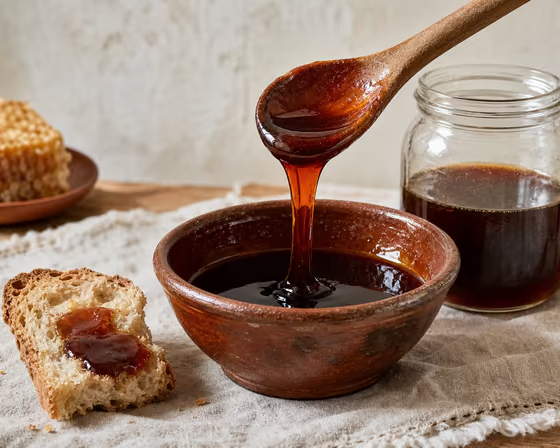
 Portuguese Água-mel Syrup
Water that recovers honey from combs after extraction, filtered and reduced for hours to 70–77° Brix.
The Alentejo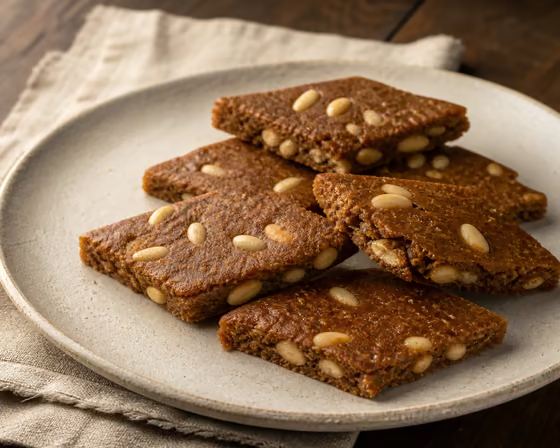 Catalogue image
 Alcomonias
Toasted coarse wheat flour, honey and pine nuts spread and cut into diamonds.
The Alentejo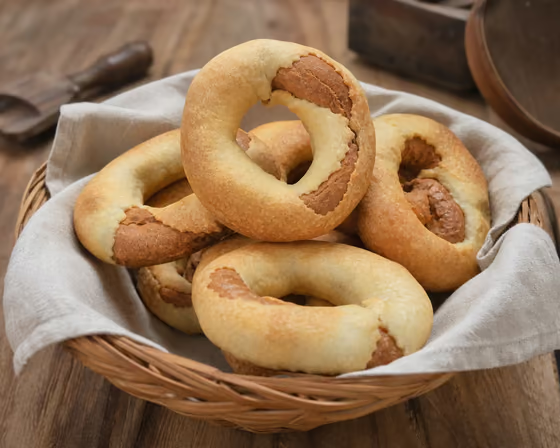 Catalogue image
 Amoreiras-Gare Alcôncoras
A large circular honey-and-olive-oil biscuit born from Amoreiras-Gare's promise-pole tradition.
The Alentejo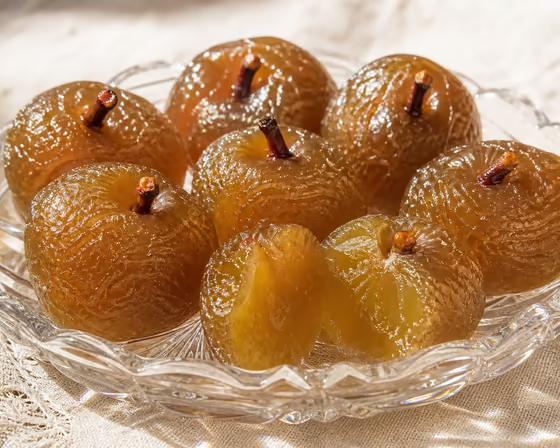 Catalogue image
 Elvas Plums
Protected Rainha Cláudia Verde greengages sold fresh, dried or candied—the sweet form requires at least seven days of slow candying.
The Alentejo