Queijadinhas de Estremoz — Historical Brados do Alentejo Formula
This is a transcription attributed to the newspaper Brados do Alentejo and preserved by As Receitas da Avó Helena e da Avó Eduarda. DGADR separately confirms that the Estremoz form of requeijão queijada came to use fresh sheep's cheese and that proportions vary. The historical formula combines twelve unsalted fresh cheeses, one requeijão, eggs, sugar and butter in a flour-and-water shell; it publishes no yield, temperature, duration or modern measure for its three handfuls of flour.
- Yields
- Not stated
- Prep
- Not stated by the source
- Cook
- Not stated; bake only until the queijadas are set and golden
Ingredients
- 12; weight not stated Unsalted fresh cheeses
- 1; weight not stated Requeijão curd cheese
- 125 g / 4.4 oz Cow's-milk butter
- 12 Egg yolks
- 3 Egg whites
- 500 g / 17.6 oz Sugar
- 3 handfuls in the historical source; weight not stated Wheat flour
- Amount not stated, only enough to bind the pastry Water
Method
Press the twelve fresh cheeses and the requeijão very thoroughly in a cloth to remove the whey.
Pass the drained cheeses through a sieve or grater until fine and even.
Add the 500 g sugar, 12 yolks, 3 whites and 125 g melted butter. Mix until fully combined.
For the shells, knead the flour with plain water to a very stiff dough. The source lists three handfuls of flour, gives no weight and does not specify the amount of water.
Roll the pastry as thinly as possible and cut saucer-sized rounds.
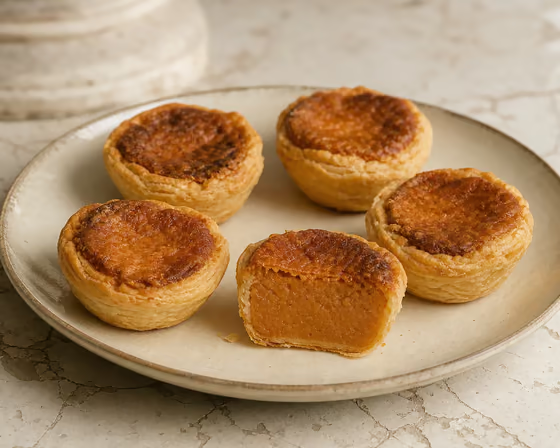
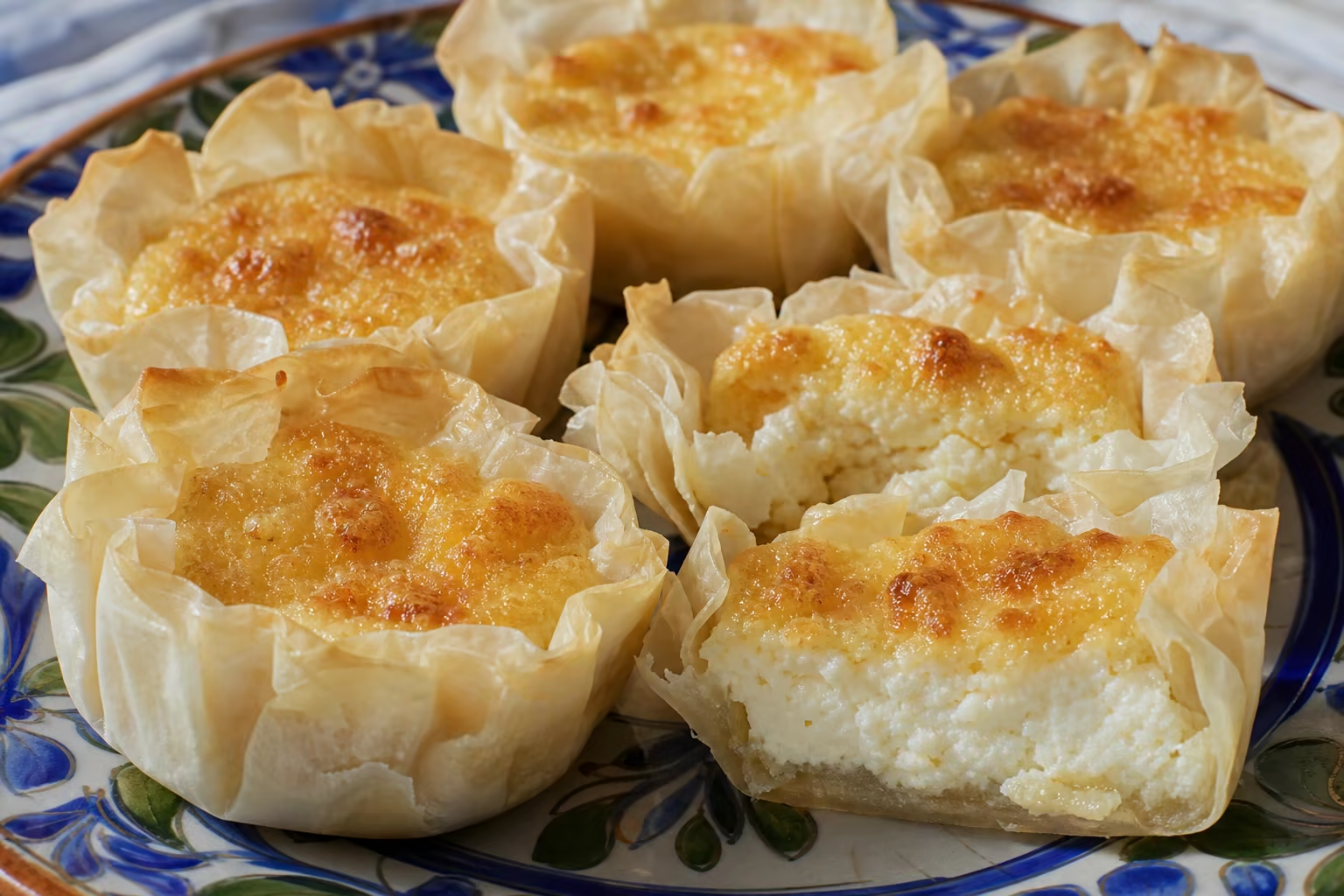
Place a spoonful of filling in the centre of each round and use a toothpick to pleat the edge into a fluted shell.
Bake until cooked. The historical formula states no temperature, duration, final size or technical doneness test; no modern values have been invented.
Sources for this recipe
The quantities and method were checked against the references below. Family recipes may vary; where no single official formula exists, we present a representative practical version and say so plainly.
Read the editorial policy →