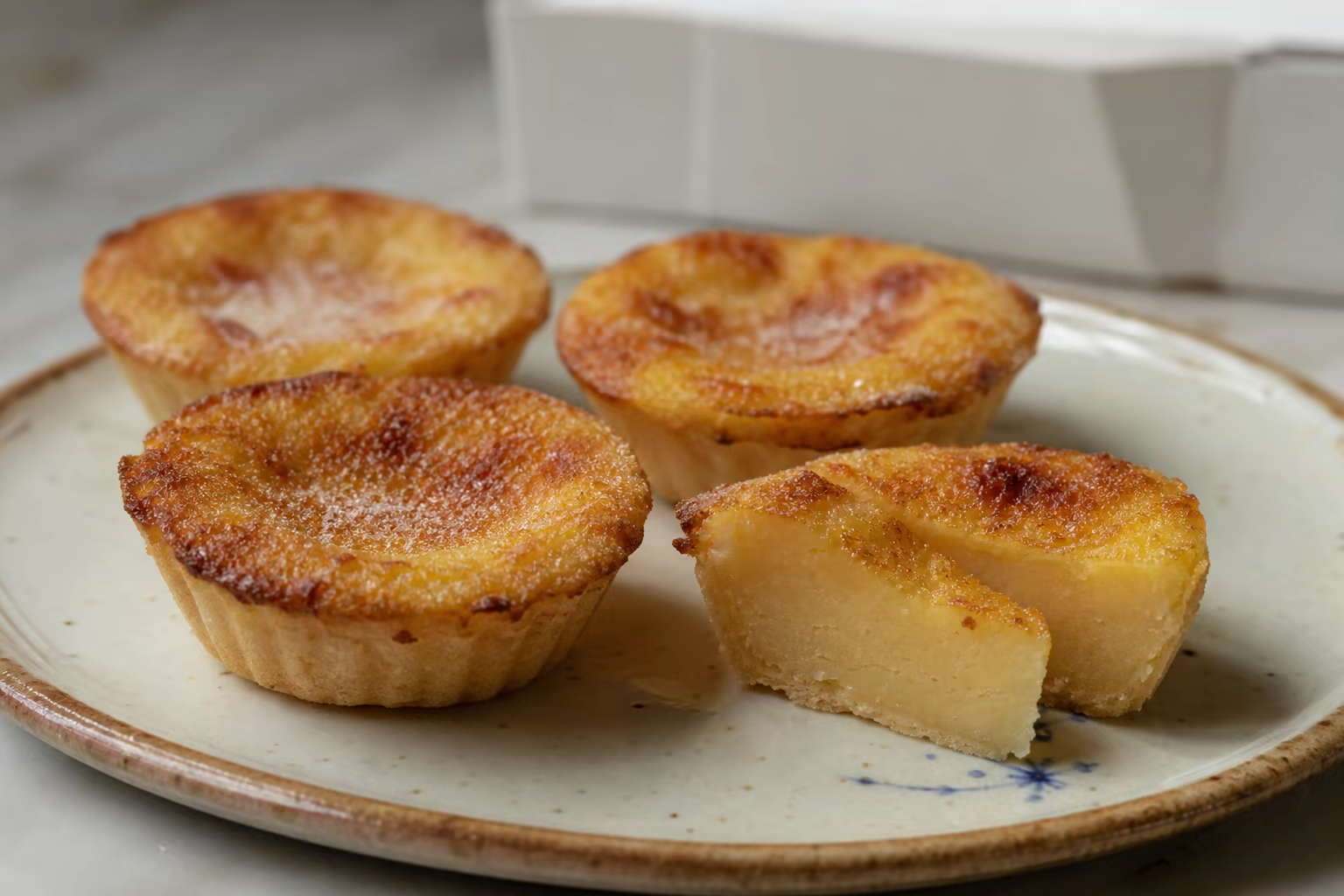
Mangualde Patronato Bean Tartlets
Also known as: Patronato Bean Tartlet · Mangualde Bean Pastries
Convent confectionery in the service of a parish's good works.
- Origin
- 1936 · Patronato de Nossa Senhora do Sameiro, Mangualde (Beira convent roots)
- Place
- Mangualde
- Region
- The Centre
- Category
- Convent Sweets
- Season
- Year-round
- Evidence
- Well documented
The Patronato bean tartlet is a small, thin-shelled and crisp tartlet filled with a silky sweet of white bean, almond and egg yolks. At first glance it might be mistaken for a pastel de nata — same format, same golden promise — but the first bite makes clear it is something else entirely: the base is lighter, the filling denser and more fragrant, without the butter-cream richness of a custard tart.
It has been made in Mangualde, at the Patronato bakery, since 1936, following a closely guarded recipe. The cooked and well-puréed bean gives body and a velvety texture; the almond adds fragrance; the yolks provide the gold colour and the calm sweetness that settles on the palate.
Served at room temperature, with or without a dusting of sugar, usually bought by the dozen in a simple cardboard box. It keeps for about a fortnight in a cool place — a virtue that made it the travelling companion of Beira emigrants.
- Cooked white beans
- Almonds
- Egg yolks
- Sugar
- Flour
- Butter
- Water
- Lemon zest
A dense, velvety filling, sweet but restrained, scented with almond over the soft, earthy depth of the bean; the thin, crisp pastry plays against the tender centre. Lighter at the base than a custard tart.
Not to be confused with the pastel de feijão of Torres Vedras, a separate tradition with its own lineage. The Mangualde version is credited to the Patronato, and the exact filling recipe remains a closely guarded secret, varying slightly between bakers.
At the Patronato bakery in Mangualde, where they are typically sold by the dozen. Proceeds still fund the parish's social work — a day centre and an elderly care home.
A strong coffee or an espresso, or a glass of muscatel; at teatime they sit happily beside a cup of tea.
The Patronato of Mangualde was founded in the 1930s, at the height of the economic depression and on the eve of the Spanish Civil War, at the initiative of Monsignor Manuel da Cruz Ferreira Monteiro: a house that would care for the children of working women during the day. To fund the institution and the parish's social work, a pastry shop was opened.
It was Dona Maria Amélia Ortiz Ribeiro who directed the kitchen and brought the recipes of convent confectionery — the regional cake, the olive-oil cake, the caramujos or jesuítas, the papos de anjo, the lampreias de ovos. From her hands also came, from the very beginning in 1936, the famous bean tartlet, today one of the oldest and most identity-forming recipes in the confectionery of the Beira.
Well documented
Identity supported by institutional, specialist or corroborating sources.
- cmmangualde.pt/744/pasteis-de-feijao (opens in a new tab)
- paroquiademangualde.pt/pastelaria (opens in a new tab)
- paroquiademangualde.pt/patronatoencomendas (opens in a new tab)
- andarilho.pt/2020/12/16/patronato/ (opens in a new tab)
- pt.wikipedia.org/wiki/Pastel_de_feij%C3%A3o (opens in a new tab)
Pastries from here — The Centre
 Catalogue image
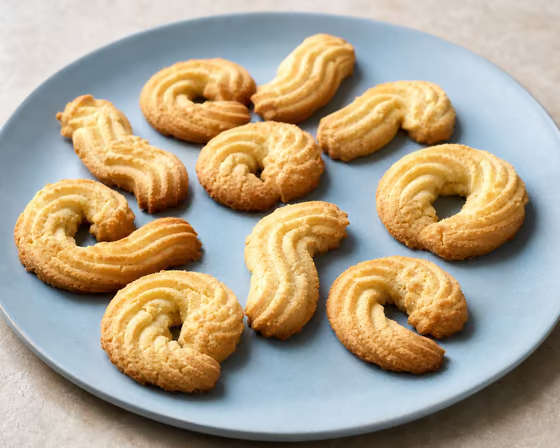
 Ílhavo Piped Butter Biscuits
Regional buttery biscuits piped into deeply ridged rings and curves.
The Centre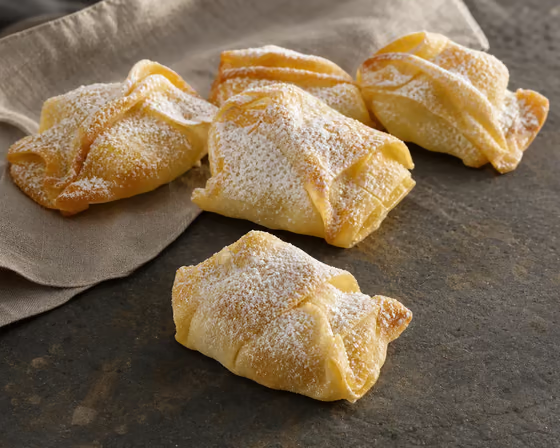 Catalogue image
 Saint Friar Gil’s Saddlebags
The small saddlebag-shaped pastry created at Vouzela’s vocational school and recognised as an innovative sweet.
The Centre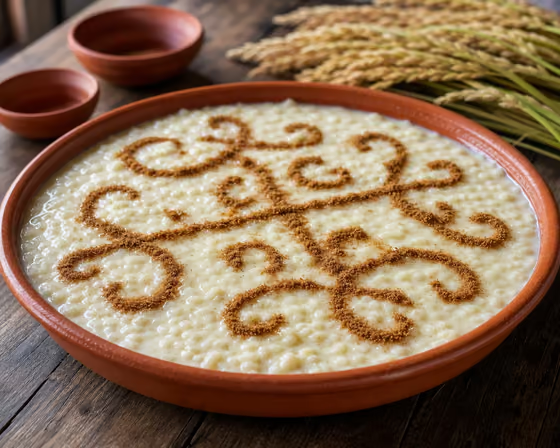 Catalogue image
 Baixo Mondego Rice Pudding
Mondego Carolino rice and Gândara milk, traced with cinnamon.
The Centre Catalogue image
 Arrufada de Coimbra
Coimbra's light, fragrant sweet bread, given by godparents at Easter.
The Centre