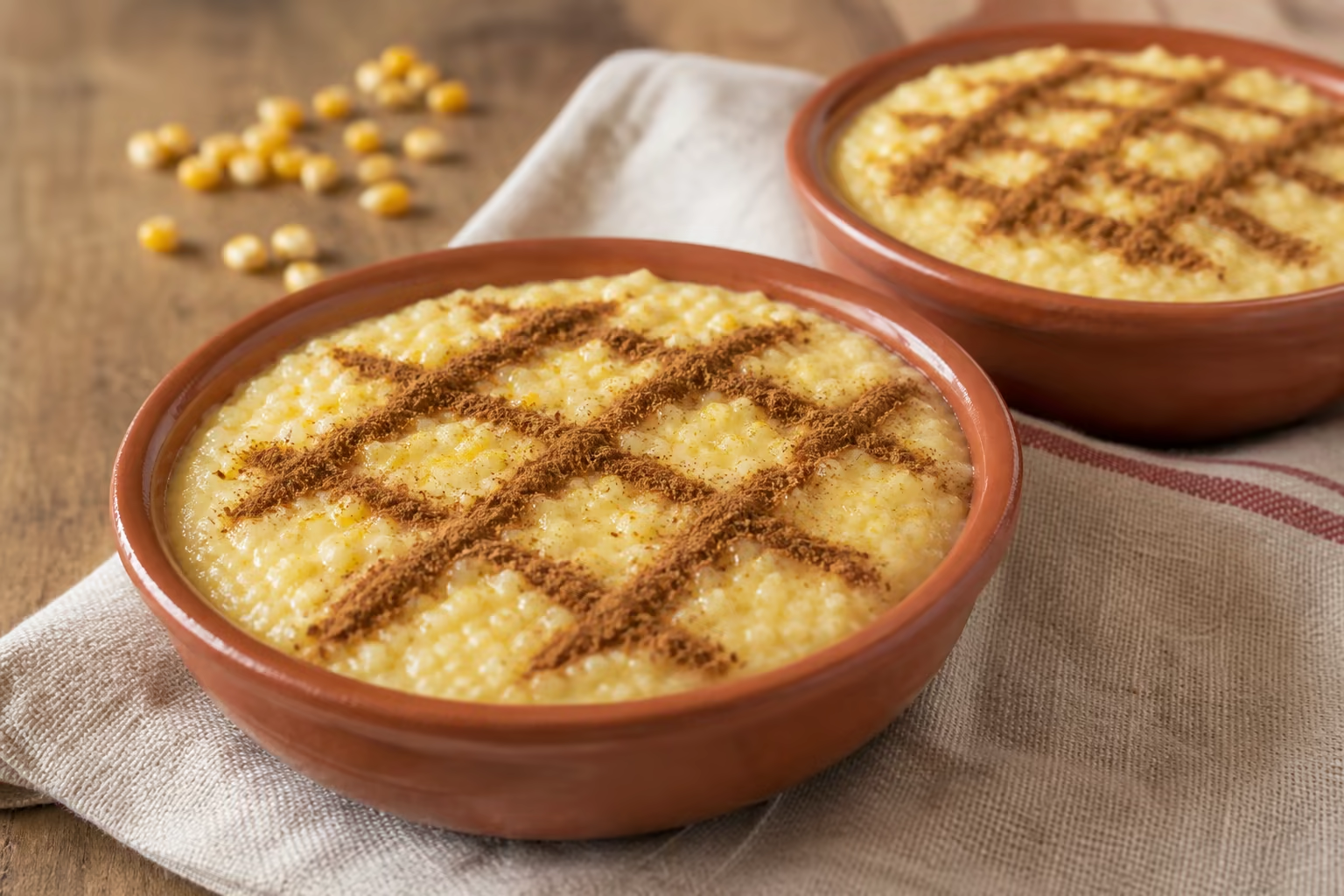
Corn-Meal Pudding
Also known as: Corn Papas · Sweet Corn Porridge · Carolo Pudding · Flores Papa Grossa · Oliveira de Azeméis Papas Carolas
The Beira folk's rice pudding, made of corn, milk and cinnamon.
- Origin
- Beira Interior · old rural tradition, born for want of rice
- Place
- Alcains
- Region
- The Centre
- Category
- Puddings & Spoon Sweets
- Season
- Year-round · Festa das Papas in Alcains (end of August)
- Evidence
- Well documented
Papas de Carolo are a creamy, comforting spoon pudding made from carolo — yellow or white corn cracked coarser than flour — simmered slowly in water and then enriched with hot milk, sugar or honey and scented with orange peel, lemon peel and a stick of cinnamon. They recall a rice pudding, but the grain of corn lends a grainier, more rustic texture that melts on the tongue.
They are served in small bowls or in large earthenware dishes, always finished with cinnamon dusted on by hand, sometimes traced into diamond patterns. Eat them warm, straight from the pot, or cold the next day, once they have settled and thickened.
They were born of plentiful corn and scarce rice in the Beiras: where there was no grain for rice pudding, corn was boiled in milk and sweetened with whatever the house had. Today they are the emblematic sweet of Alcains, a town that devotes its own festival to them.
- Carolo (coarse corn semolina)
- Milk
- Water
- Sugar or honey
- Cinnamon stick
- Ground cinnamon
- Orange peel
- Lemon peel
- Salt
Sweet and creamy, with the grain of corn giving a grainy texture that melts away, somewhere between velvety and rustic; the milk rounds it out, orange and lemon lift it, and the cinnamon leaves a warm, aromatic trail.
They are sweetened with sugar or, in the older way, with honey; some decorate them with cinnamon diamonds, nuts or candied fruit. On Flores they are also called ‘papa grossa’: corn harvested while still green is milled, repeatedly sifted and cooked with milk. The Azorean cultural inventory links these papas to 1 May, when the traditional Maios appear in windows and balconies. The Beira Baixa also has a savoury version with turnip tops and pork.
The best time to try them is the Festa das Papas in Alcains, at the end of August, where they are cooked in great quantities and served the old way. Otherwise they turn up in traditional restaurants across the Beira Interior, and are easily made at home, since carolo is now found in supermarkets.
They ask for little more than a spoon, but sit well beside a coffee or a small glass of aged aguardente; at a festive table, they round off a Beira meal of cured sausages and Beira Baixa cheese.
Papas de Carolo are a quintessentially Beira dessert, from the Beira Interior, and are especially bound up with Alcains, in the municipality of Castelo Branco. Their origin is humble and practical: in a region rich in corn but poor in rice, the people of the Beiras adapted the idea of rice pudding to the grain they had at hand, cooking carolo in milk until it became a sweet porridge. Carolo — corn cracked coarsely, sold today in supermarkets as corn semolina — must be washed carefully to remove the bran and then cooked long and stirred, a process that could take close to two hours.
Traditionally the papas were made in great cauldrons in the street and poured into wooden trays, around which people gathered, each with their own spoon. In Alcains this communal scene is recreated every year at the end of August at the Festa das Papas, revived some two decades ago by ARCA — the Recreational and Cultural Association of Alcains — as a gathering that brings the generations together.
Well documented
Identity supported by institutional, specialist or corroborating sources.
- gastronomiaevinhos.pt/papas-de-carolo/ (opens in a new tab)
- reconquista.pt/articles/festa-as-papas-uma-tradicao-sempre-renovada-em-alcains (opens in a new tab)
- mulherportuguesa.com/receita/papas-de-carolo-de-alcains/ (opens in a new tab)
- pingodoce.pt/receitas/papas-de-carolo/ (opens in a new tab)
- teleculinaria.pt/receitas/papas-de-carolo-da-beira-baixa/ (opens in a new tab)
- terras.beirabaixa.pt/receitas/papas-de-carolo/index.html (opens in a new tab)
- turismo.azores.gov.pt/flores/ (opens in a new tab)
- culturacores.azores.gov.pt/ea/pesquisa/Default.aspx (opens in a new tab)
- ufoaz.pt/gastronomia/ (opens in a new tab)
- cm-oaz.pt/download.php (opens in a new tab)
Pastries from here — The Centre
 Catalogue image
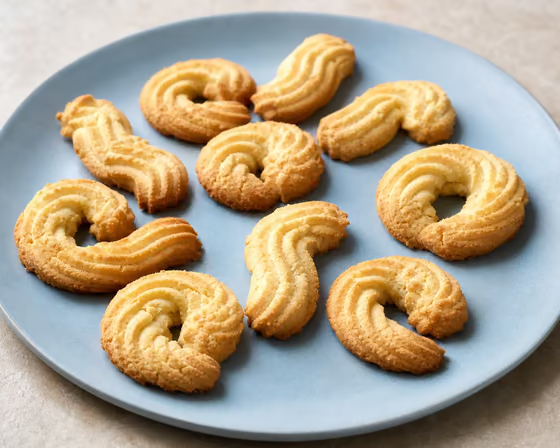
 Ílhavo Piped Butter Biscuits
Regional buttery biscuits piped into deeply ridged rings and curves.
The Centre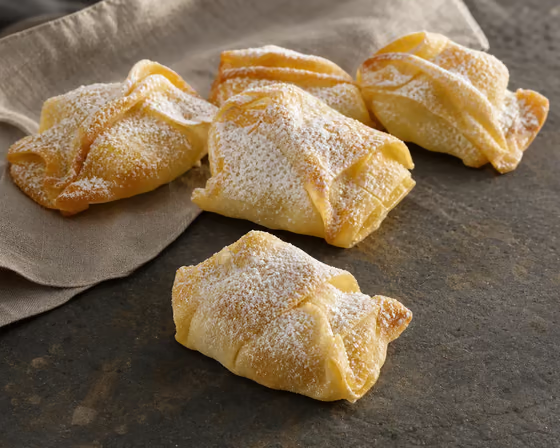 Catalogue image
 Saint Friar Gil’s Saddlebags
The small saddlebag-shaped pastry created at Vouzela’s vocational school and recognised as an innovative sweet.
The Centre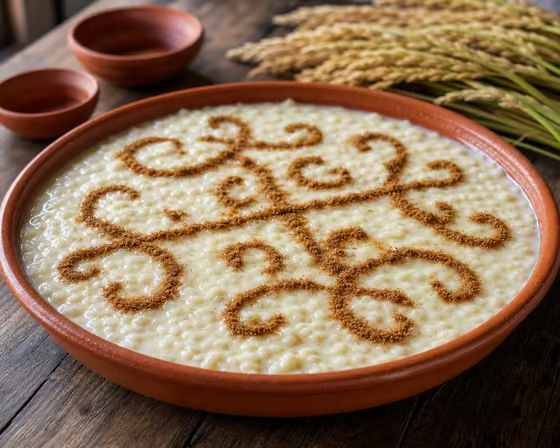 Catalogue image
 Baixo Mondego Rice Pudding
Mondego Carolino rice and Gândara milk, traced with cinnamon.
The Centre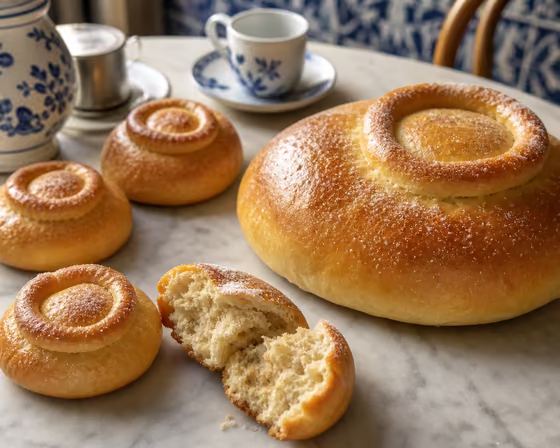 Catalogue image
 Arrufada de Coimbra
Coimbra's light, fragrant sweet bread, given by godparents at Easter.
The Centre