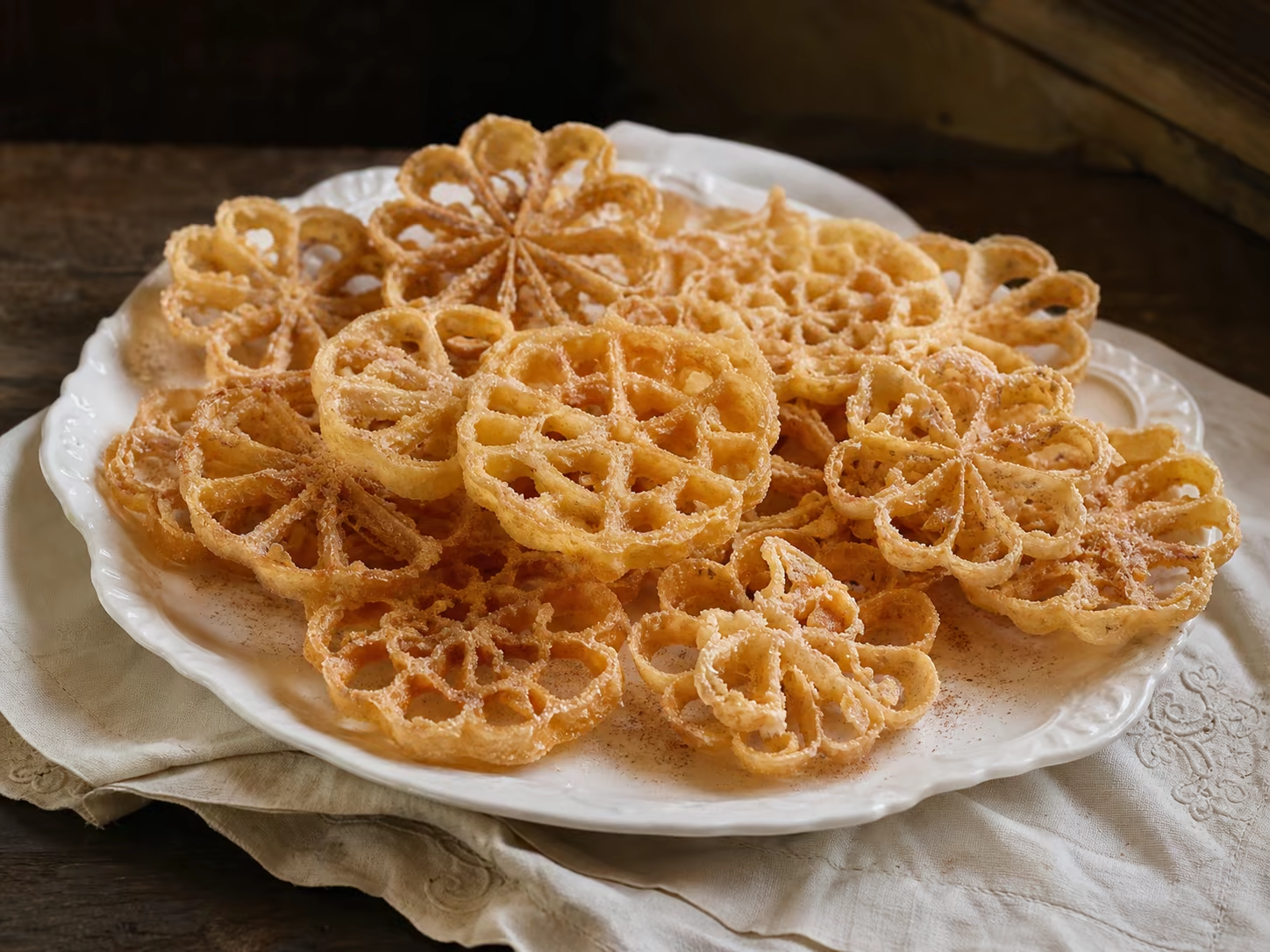
Portuguese Rosette Fritters
Also known as: Portuguese Rosette Fritters · Alentejo Rosette Cookies
Lacy flowers of thin batter, fried on an iron mould and coated with cinnamon sugar.
- Origin
- Alentejo · Christmas and Carnival tradition
- Place
- Alentejo · Castro Verde
- Region
- The Alentejo
- Category
- Festive & Seasonal
- Season
- Christmas and Carnival
- Evidence
- Well documented
Filhós de Forma are exceptionally thin, lacy fritters shaped with an iron cut into a flower, butterfly or geometric pattern. The hot mould is dipped first into oil and then into a fluid batter of flour, eggs, sugar, Port and orange; it returns to the oil until the fritter releases and turns golden and crisp.
Once drained, the rosettes are coated with cinnamon sugar. Unlike hand-stretched yeasted filhós, they are light, rigid and open between their ribs, breaking with a delicate snap.
- wheat flour
- eggs
- sugar
- Port wine
- orange juice
- water
- salt
- oil for frying
- cinnamon
Exceptionally light and crisp, with cinnamon sugar outside and gentle notes of orange and Port.
Metal moulds produce flowers, butterflies, stars, circles and other geometric designs. The flower-shaped version is known as Filhós de Floreta.
In homes, markets and festivals across Alentejo at Christmas and Carnival, especially around municipalities with a strong fritter tradition such as Castro Verde.
Coffee, lemon tea or a small glass of Port.
DGADR documents Filhós de Forma as a popular Alentejo sweet associated with Christmas and Carnival. On the Thursday of the comadres before Carnival, families made them in abundance as gifts for godmothers, relatives and friends.
Floreta names both a variant and the metal ornament: a handle ends in a patterned base about two centimetres deep. The family craft was recorded in Alcarias, Castro Verde, through Joana Sobral, who continued to make these and other filhós from inherited recipes.
Well documented
Identity supported by institutional, specialist or corroborating sources.
- tradicional.dgadr.gov.pt/pt/cat/doces-e-produtos-de-pastelaria/179-filhos-de-forma (opens in a new tab)
- hora-da-buxa.blogspot.com/2021/12/filhos-ou-filhoses-de-forma-receita.html (opens in a new tab)
- eubrdialogues.com/sites/default/files/acoes/documentos/049xlix_lista_de_produtos_tradicionais_portugueses_v_19_0.pdf (opens in a new tab)
Pastries from here — The Alentejo
 Catalogue image
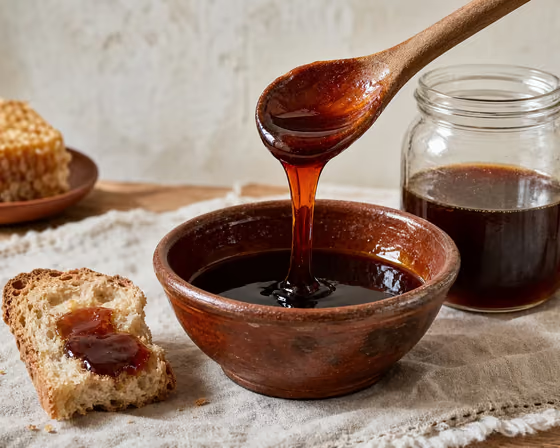
 Portuguese Água-mel Syrup
Water that recovers honey from combs after extraction, filtered and reduced for hours to 70–77° Brix.
The Alentejo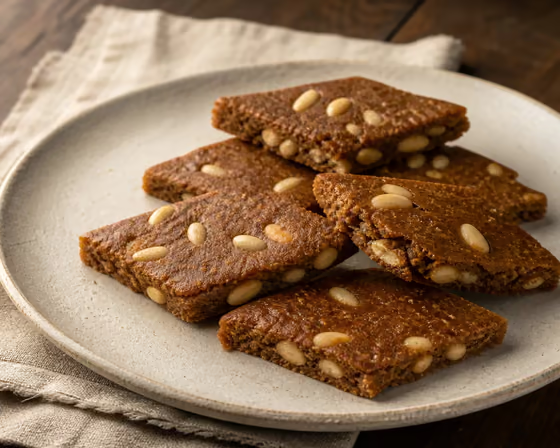 Catalogue image
 Alcomonias
Toasted coarse wheat flour, honey and pine nuts spread and cut into diamonds.
The Alentejo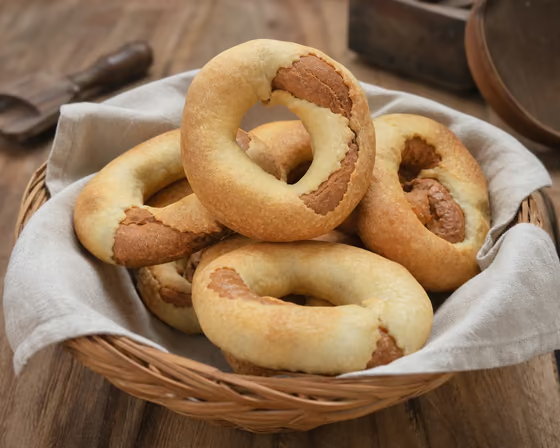 Catalogue image
 Amoreiras-Gare Alcôncoras
A large circular honey-and-olive-oil biscuit born from Amoreiras-Gare's promise-pole tradition.
The Alentejo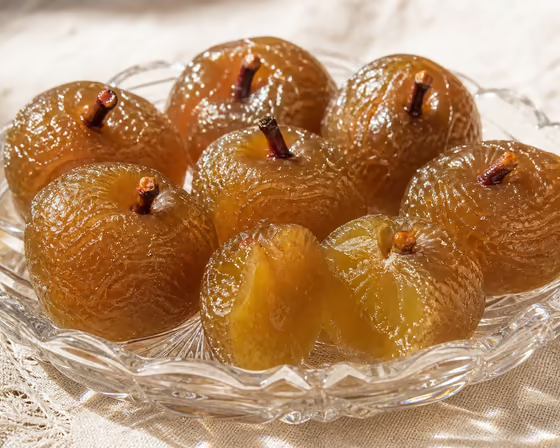 Catalogue image
 Elvas Plums
Protected Rainha Cláudia Verde greengages sold fresh, dried or candied—the sweet form requires at least seven days of slow candying.
The Alentejo