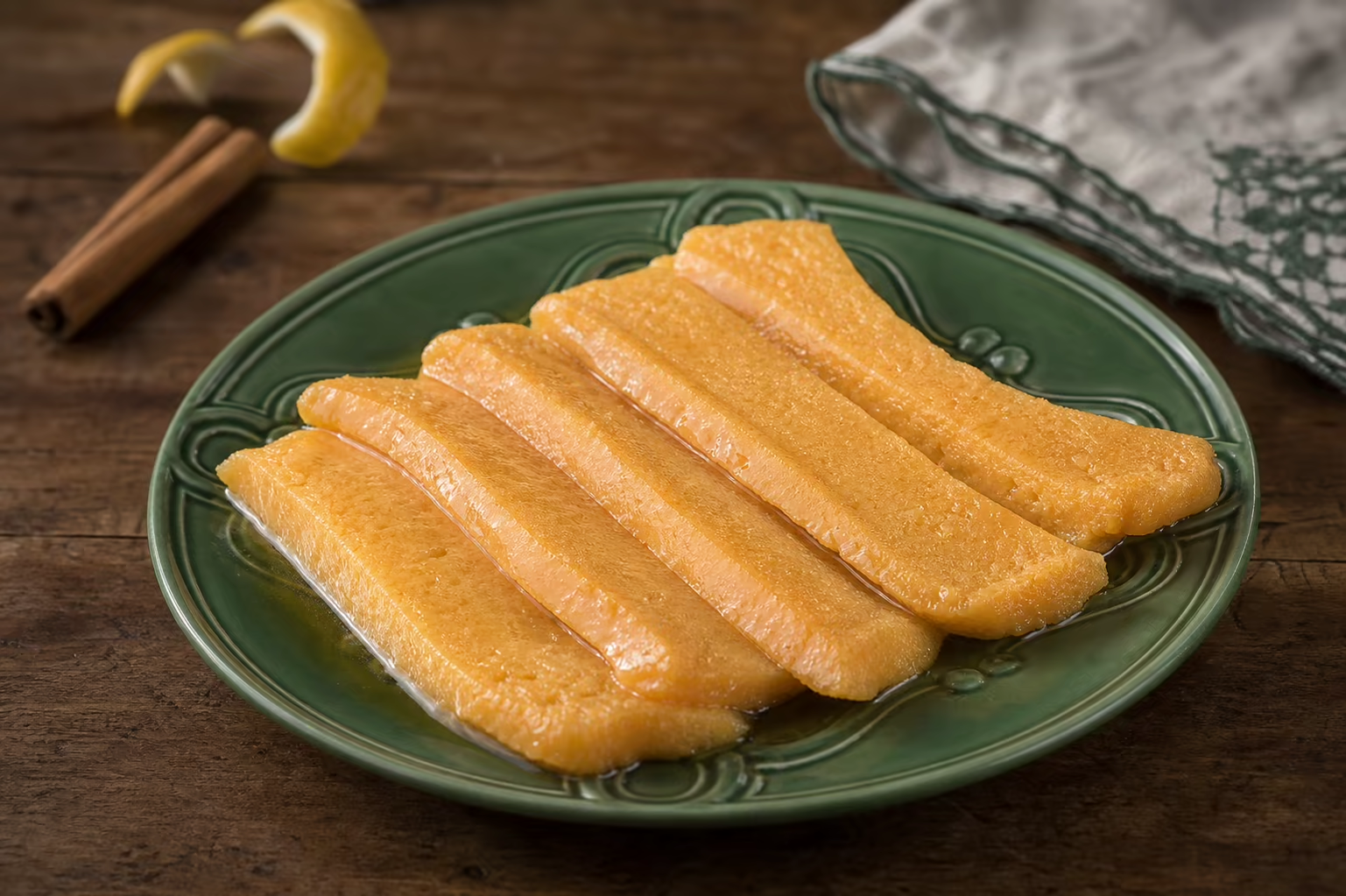
Tomar Slices
Also known as: China Slices · Tomar-style Slices
Two dozen yolks steamed, sliced and bathed in cinnamon-and-lemon syrup.
- Origin
- Tomar confectionery · traditionally linked to the Convent of Christ; first printed reference identified by DGADR in 1876
- Place
- Tomar
- Region
- The Centre
- Category
- Egg-Yolk Sweets
- Season
- Year-round
- Evidence
- Well documented
Fatias de Tomar are among the purest convent sweets in the Portuguese repertoire: made solely from egg yolks, sugar and the fragrance of an aromatic syrup, without a single gram of flour. The yolks — twenty-four, sometimes twenty-eight, depending on the size of the mould — are beaten at length until pale and frothy, then cooked in a bain-marie in a very particular pan, until they acquire the consistency of a dense, buttery pudding.
Once cold, the compact mass is turned out and sliced into finger-width pieces. Each slice is plunged into a simmering syrup perfumed with cinnamon stick and lemon peel, turned and returned several times until it gleams. The result has a golden, almost amber sheen, and a moistness that dissolves on the tongue.
They are served in generous slices, arranged on a plate and bathed in the syrup itself, often dusted with cinnamon. They are a festive sweet and a Sunday dessert — rich and unmistakably conventual.
- Egg yolks (24 to 28)
- Sugar
- Water
- Cinnamon stick
- Lemon peel
- Star anise (optional)
- Butter (to grease the mould)
Intensely sweet and deeply rich with yolk, with a moist, velvety texture that melts in the mouth; the cinnamon and lemon in the syrup cut the sugar and leave a warm, fresh aroma on the finish.
The main differences lie in the syrup — some add star anise, others keep to just cinnamon and lemon — and in the number of yolks, which varies with the size of the pan. Some versions serve the slices more or less soaked in syrup.
They are found in the traditional pastry shops and cafés of Tomar, especially in establishments devoted to the city's convent confectionery. The cooking pan itself, with its characteristic chimney, is still sold locally as a piece of craftwork.
They call for a short espresso or, better still, a fortified wine such as Moscatel or Port, which balance the intense sweetness of the yolk.
Tomar tradition links the Fatias to the Convent of Christ and presents them as a sweet enjoyed by its religious community, but DGADR's own record states that their exact birthplace and date are unknown. The same source identifies the first printed reference under this name in João da Mata's Arte de Cozinha in 1876, when they were known as ‘Fatias da China’. The convent connection should therefore be preserved as published tradition, not converted into proven authorship.
The unequivocally local material element is the special cooking pan: a double vessel with a chimney through which boiling water is added to keep the inner mould immersed during the bain-marie. Tomar municipality dates these pans to the mid-twentieth century and credits their invention to a local tinsmith, Mr Aurélio, who sold them with the recipe inside.
Well documented
Identity supported by institutional, specialist or corroborating sources.
- tradicional.dgadr.gov.pt/pt/cat/doces-e-produtos-de-pastelaria/255-fatias-de-tomar (opens in a new tab)
- tradicional.dgadr.gov.pt/en/categories/desserts-and-pastry/255-fatias-de-tomar (opens in a new tab)
- allaboutportugal.pt/en/tomar/knowledge-and-flavours/fatias-de-tomar (opens in a new tab)
- cm-tomar.pt/index.php/visitar/onde-comer/gastronomia (opens in a new tab)
- 24kitchen.pt/receita/fatias-de-tomar (opens in a new tab)
Pastries from here — The Centre
 Catalogue image
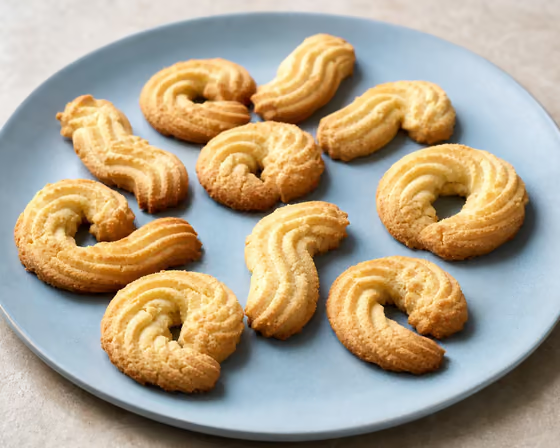
 Ílhavo Piped Butter Biscuits
Regional buttery biscuits piped into deeply ridged rings and curves.
The Centre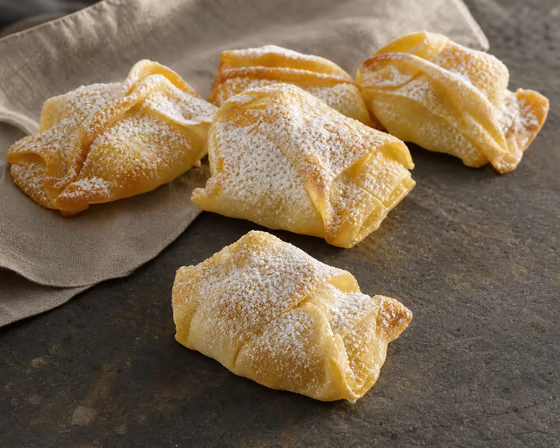 Catalogue image
 Saint Friar Gil’s Saddlebags
The small saddlebag-shaped pastry created at Vouzela’s vocational school and recognised as an innovative sweet.
The Centre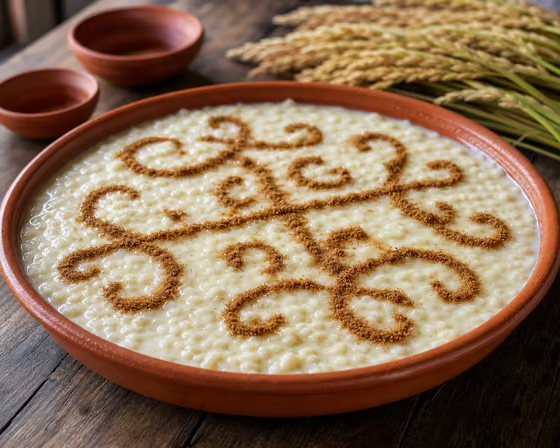 Catalogue image
 Baixo Mondego Rice Pudding
Mondego Carolino rice and Gândara milk, traced with cinnamon.
The Centre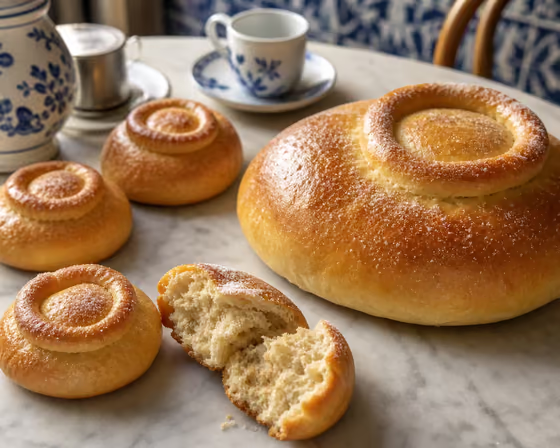 Catalogue image
 Arrufada de Coimbra
Coimbra's light, fragrant sweet bread, given by godparents at Easter.
The Centre