Lourinhã Convent Delights
Small dark convent cakes of skin-on almonds, yolks and cinnamon.
- Origin
- Convent of Santo António · Lourinhã
- Place
- Lourinhã
- Region
- The West
- Category
- Convent Sweets
- Season
- Year-round
- Evidence
- Well documented
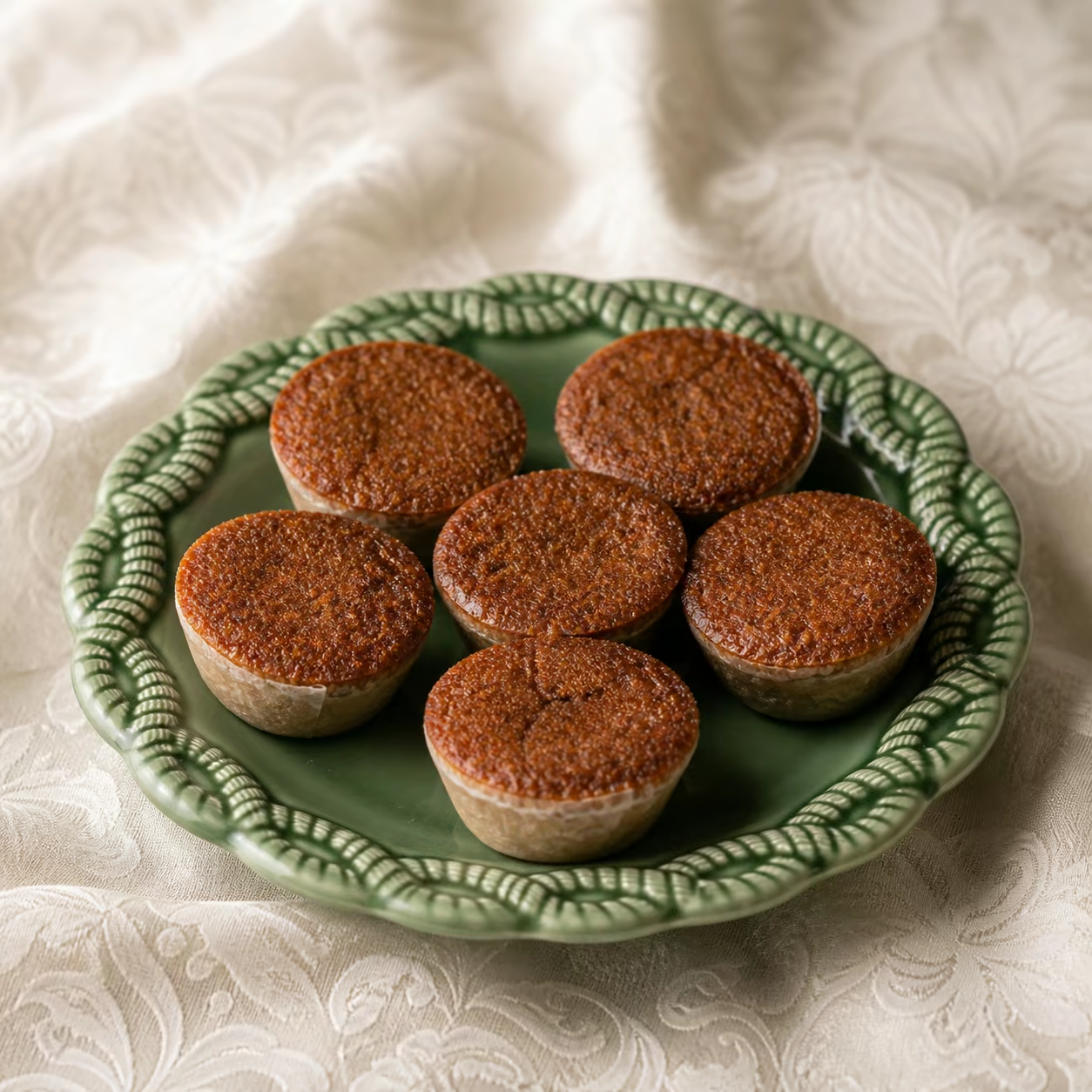
Delícias do Convento da Lourinhã are small truncated-cone cakes weighing about 50 grams. Ground skin-on almonds give them their dark-brown colour, grainy surface and a texture less pudding-like than many yolk sweets.
Unpeeled Algarve almonds are ground and mixed with eggs, sugar and a touch of cinnamon. The batter is baked in greased moulds in a very hot oven, then each cake is wrapped in very thin paper.
- skin-on almonds
- egg yolks
- eggs
- sugar
- cinnamon
Intensely almond-rich, eggy and gently spiced with cinnamon, with a moist grainy texture.
Grinding and browning affect the texture, but almond skin is essential to the Lourinhã version.
At pastry shops and speciality stores in Lourinhã, individually or in boxes of six.
Espresso, black tea or wine brandy from the Oeste region.
The name evokes the Convent of Santo António in Lourinhã, whose community was founded in 1598, but the sweet now known as Delícias do Convento is a modern creation. In 1977, encouraged by the parish priest who wanted to promote the convent, Zélia Fortunato Pereira adapted an older recipe: she retained the almond skins, producing its characteristic dark colour. The convent building was restored between 1989 and 1993.
Well documented
Identity supported by institutional, specialist or corroborating sources.
- tradicional.dgadr.gov.pt/pt/cat/doces-e-produtos-de-pastelaria/749-delicias-do-convento (opens in a new tab)
- coimbramaisfuturo.pt/wp-content/uploads/2022/11/Receitas-e-Sabores-dos-Territorios-Rurais.pdf (opens in a new tab)
- nauticalportugal.com/pages/2145/ (opens in a new tab)
Pastries from here — The West
 Catalogue image
 Friends of Peniche
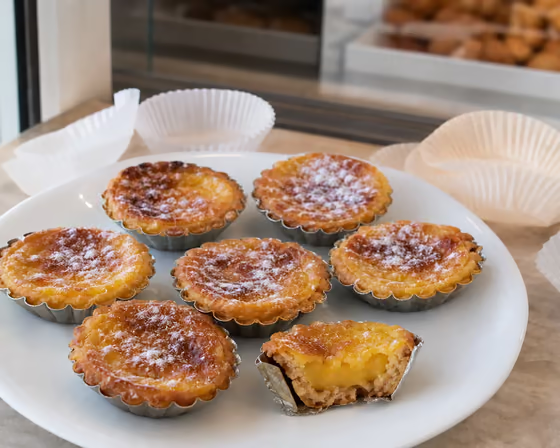
The sweet named after friends you should not trust.
The West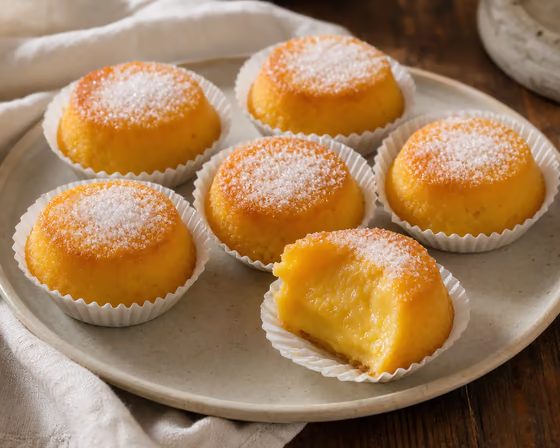 Catalogue image
 Areias Brancas
Small yolk-and-almond pudding cakes, named by the coast and covered with white sugar.
The West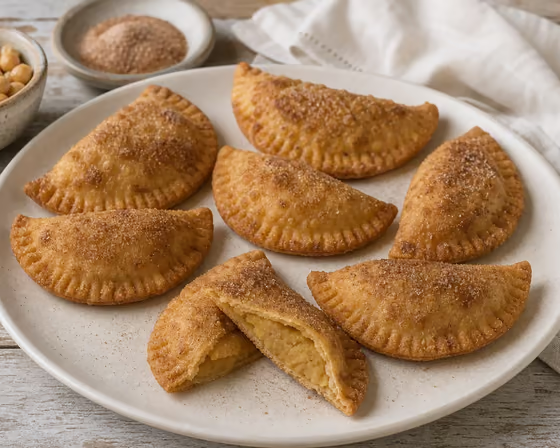 Catalogue image
 Peniche Chickpea Azevias
Thin fried half-moons with a sweet, creamy chickpea, almond and egg-yolk filling.
The West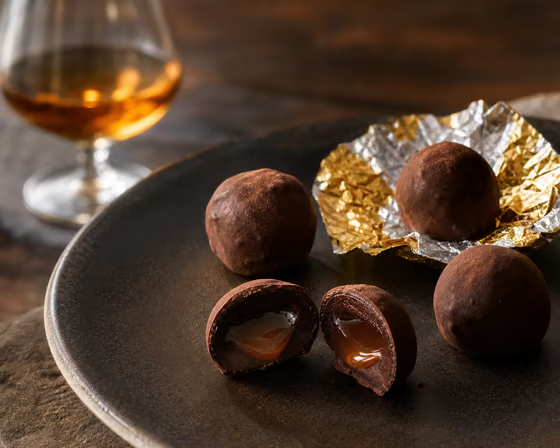 Catalogue image
 Lourinhã DOC Brandy Bonbon
A dark-chocolate bonbon with a Lourinhã DOC brandy heart.
The West