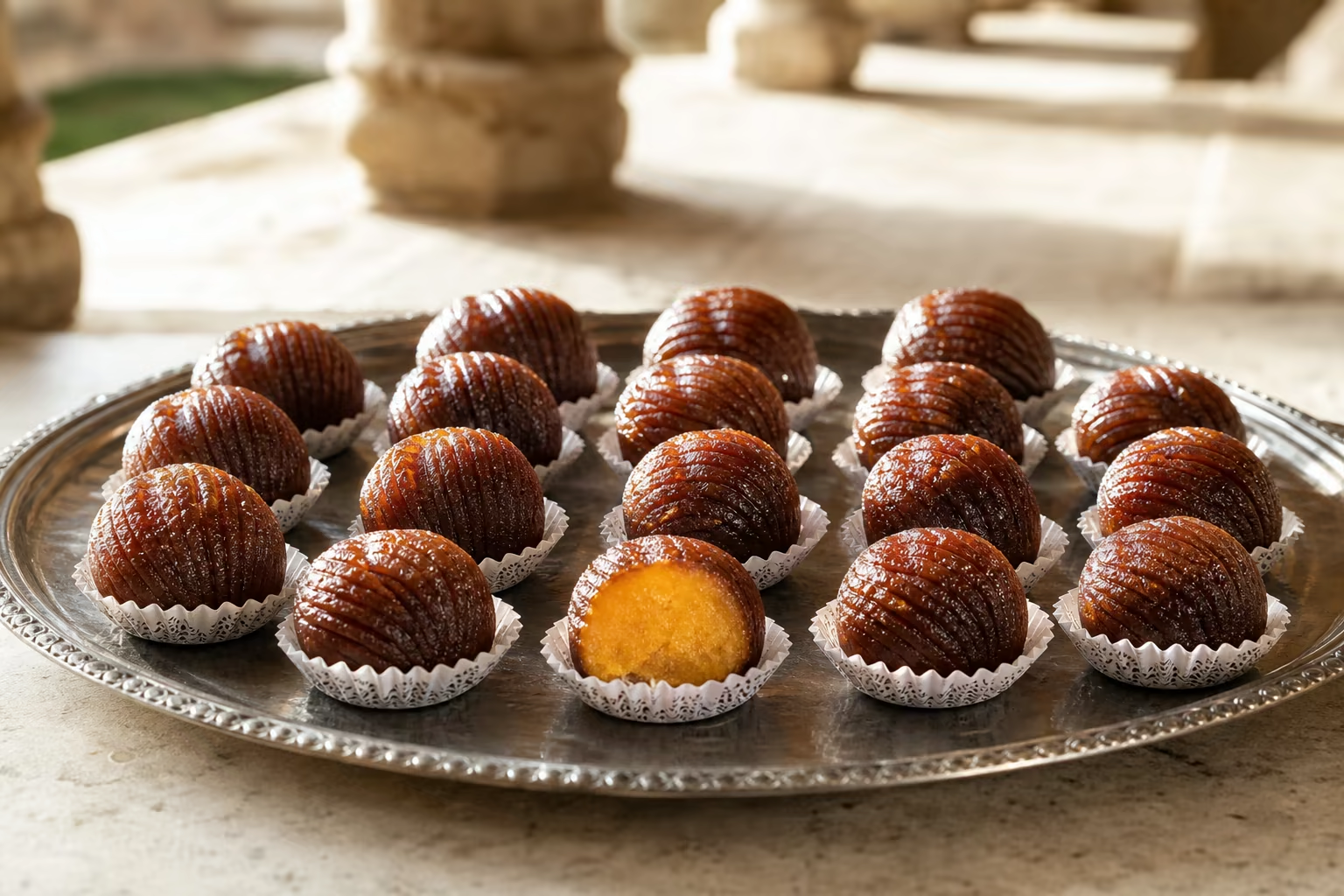
Viseu Egg Chestnuts
Also known as: Viseu Egg Chestnuts · Sweet Chestnuts of Viseu
Chestnuts that never met a chestnut tree — only yolk, sugar and the flame of a laurel stick.
- Origin
- 16th century · Mosteiro do Bom Jesus, Viseu
- Place
- Viseu
- Region
- The Centre
- Category
- Convent Sweets
- Season
- Year-round, especially at Easter
- Evidence
- Well documented
Castanhas de Ovos de Viseu are a convent sweet that fools the eye: small balls of egg-yolk and sugar paste, shaped and singed until they take on the toasted hue and wrinkled skin of a roasted chestnut. The tine-marks of a fork score the surface to mimic the splits in the husk, and the flame leaves its dark sheen — yet inside they hide a soft, dense, intensely yellow heart.
They are one-bite sweets, about the size of a real chestnut, served in little frilled paper cases. There is no nut in them at all — their whole identity comes from egg yolk cooked into a sugar syrup and from the final gesture of charring the surface over a live flame.
They appear as a festive treat and a café-counter indulgence, sold by the piece or in small boxes, and tied above all to Easter and to the regional confectionery of the Beira.
- Egg yolks
- Sugar
- Water
- Flour
- Egg yolk for glazing
Intensely sweet and deeply eggy, with the velvety richness of a yolk paste cooked to a sugar syrup; on the outside, the flame leaves a faint toasted bitterness that plays against the soft, dense centre.
There are simpler versions, browned in the oven rather than singed over a laurel stick, and some bind the paste with a little almond. Egg sweets of identical shape, called castanhas doces, also exist in Arouca, born of the same convent lineage.
Look for them in the traditional pastry shops and confectioners of Viseu and the Dão region, especially around Easter, and at fairs and showcases of convent confectionery in central Portugal, where they appear in boxes sold by the piece.
They call for a strong coffee or a small glass of liqueur; Beira tradition marries them well with a fortified wine or a Moscatel, which tempers their intense sweetness.
Tradition links these chestnuts to the convent confectionery of Viseu, and in particular to the Benedictine community that settled at the Mosteiro do Bom Jesus, on the edge of the city, from the late sixteenth century onwards. Like so many convent sweets, they were born from the meeting of an abundance of yolks — left over from the whites used to starch habits and clarify wines — and the sugar then arriving by the overseas routes, turned in the convent kitchens into closely guarded recipes.
With the dissolution of the religious orders in the nineteenth century, the recipe passed from the nuns' hands to the confectioners and households of Viseu, which kept it alive. It is also told that a servant began selling these little egg sweets at the fairs, making the city the byword for "castanhas de ovos" — a sweet that in time became an emblem of Viseu's confectionery.
Well documented
Identity supported by institutional, specialist or corroborating sources.
- ncultura.pt/docaria-conventual-e-as-deliciosas-castanhas-de-ovos/ (opens in a new tab)
- visitviseu.pt/source/sugestoes/Castanhas_Ovos_WEB.pdf (opens in a new tab)
- teleculinaria.pt/receitas/doces-e-sobremesas/castanhas-de-ovo-de-viseu/ (opens in a new tab)
- turismodocentro.pt/artigo/docaria-regional-do-centro-de-portugal/ (opens in a new tab)
Pastries from here — The Centre
 Catalogue image
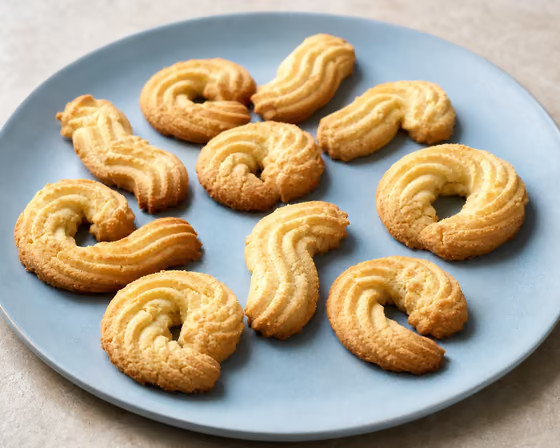
 Ílhavo Piped Butter Biscuits
Regional buttery biscuits piped into deeply ridged rings and curves.
The Centre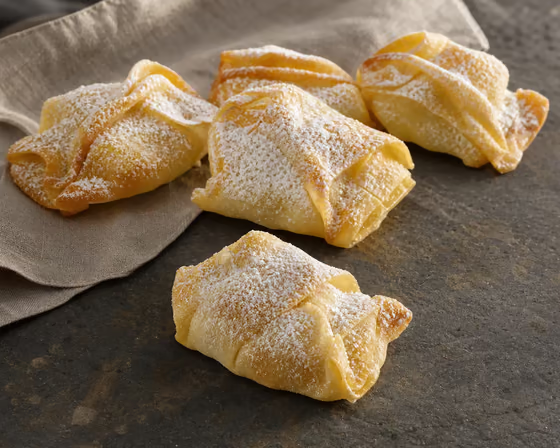 Catalogue image
 Saint Friar Gil’s Saddlebags
The small saddlebag-shaped pastry created at Vouzela’s vocational school and recognised as an innovative sweet.
The Centre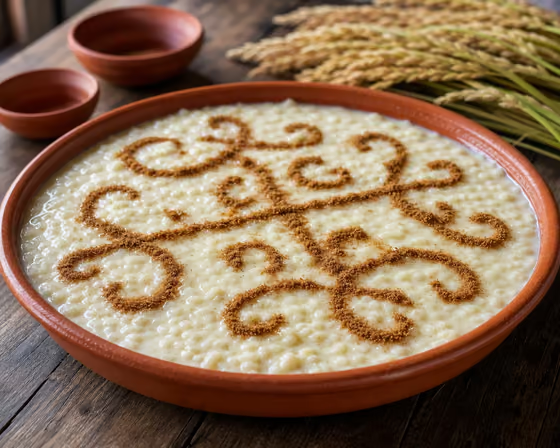 Catalogue image
 Baixo Mondego Rice Pudding
Mondego Carolino rice and Gândara milk, traced with cinnamon.
The Centre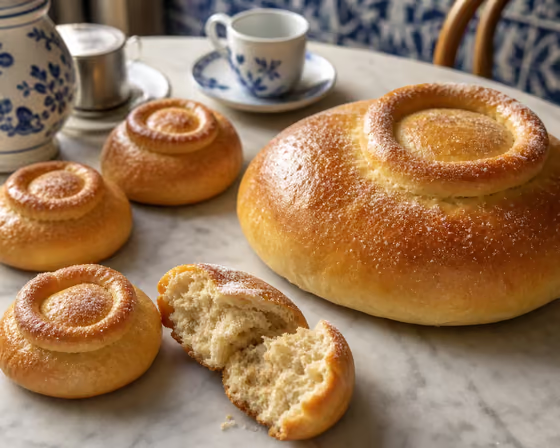 Catalogue image
 Arrufada de Coimbra
Coimbra's light, fragrant sweet bread, given by godparents at Easter.
The Centre