Águeda Saint Eulalia Cake
Also known as: Saint Eulalia Cake · Águeda Christmas Fruit Cake
A Christmas cake of walnuts, currants and crystallised fruit dedicated to Águeda's patron saint.
- Origin
- Águeda · Aveiro district
- Place
- Águeda · Aveiro
- Region
- The Centre
- Category
- Festive & Seasonal
- Season
- Christmas · Saint Eulalia's feast
- Evidence
- Well documented
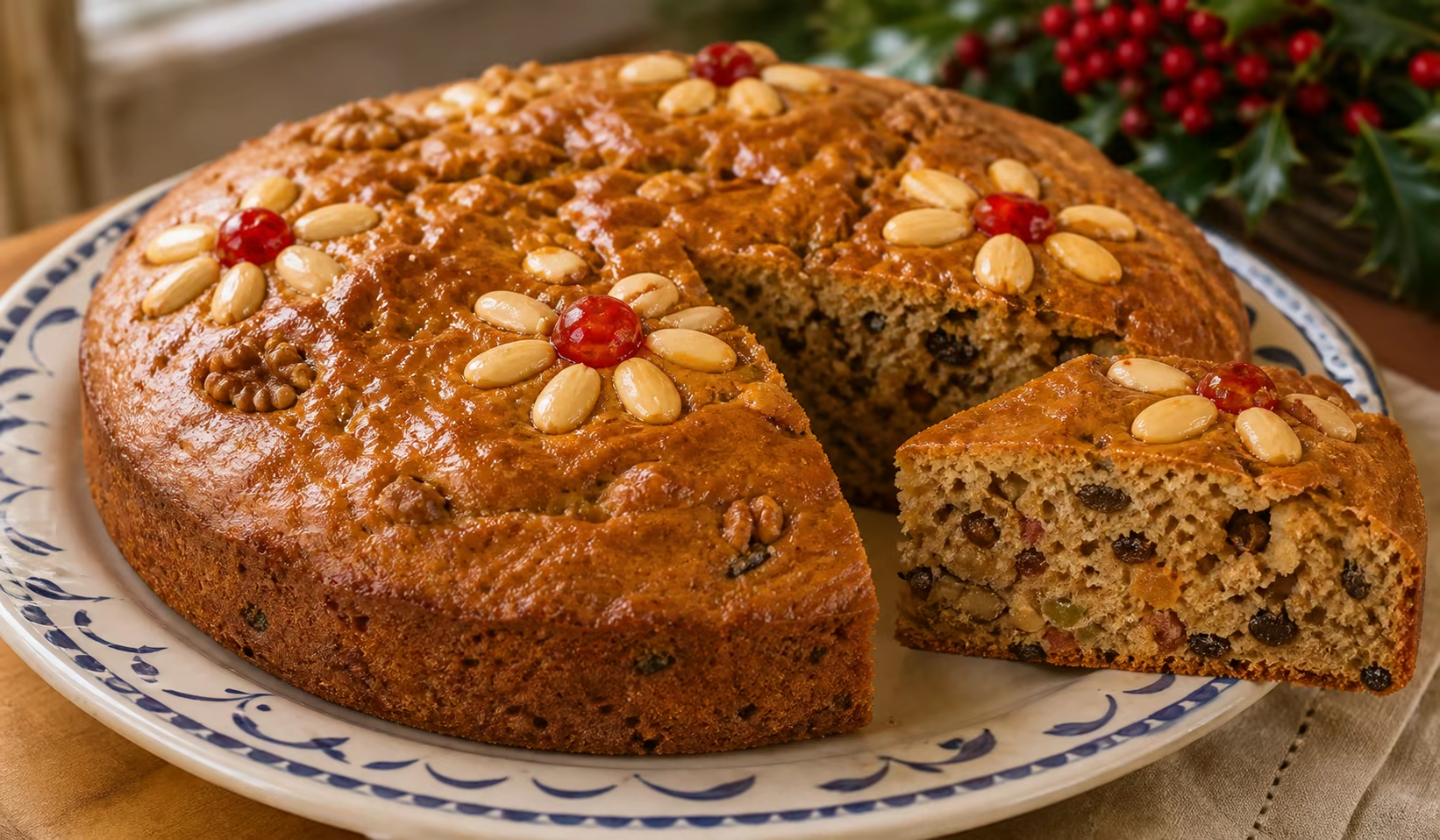
Bolo de Santa Eulália is a substantial dry-style cake from Águeda, rich in walnuts, currants and crystallised fruit. Its flour, sugar, butter, milk and egg batter is scented with lemon and cinnamon; the yolk-brushed surface is decorated with blanched almonds and red glacé cherries arranged as flowers.
The cake is low, broad and usually oval or round. Its golden-brown crumb is firm without being parched, showing pieces of walnut and fruit in every slice. Unlike bolo-rei, it has neither a crown shape nor a central hole.
- wheat flour
- sugar
- walnuts
- butter
- currants
- milk
- eggs
- lemon
- cinnamon
- crystallised fruit
- almonds
- baking soda
- salt
Walnut and butter lead, with restrained cinnamon and lemon, moderate sweetness and concentrated accents of currants and fruit.
It may be oval or round and decoration varies by maker, but usually retains almonds, glacé cherries and other nuts.
At Águeda confectioners and Christmas markets, especially in December; the municipality highlights the cake in its food itineraries and visitor material.
Bairrada sparkling wine, Port or black tea.
The cake honours Saint Eulalia of Mérida, Águeda's patron saint, whose feast falls on 10 December. That place in the calendar consolidated the sweet's association with Christmas in Águeda.
Turismo Centro de Portugal includes it among the municipality's specialities handed down between generations, alongside Pastéis de Águeda, fuzis, sequilhos and Easter cake. It was also nominated for the Seven Wonders of Portuguese Sweets in 2019 and continues to appear in Águeda's municipal visitor material.
Well documented
Identity supported by institutional, specialist or corroborating sources.
- cm-agueda.pt/cmagueda/uploads/document/file/6896/roteiro_natal_e_mapa_2025_v6_compressed.pdf (opens in a new tab)
- turismodocentro.pt/artigo/docaria-regional-do-centro-de-portugal/ (opens in a new tab)
- ncultura.pt/docaria-conventual-e-o-bolo-de-santa-eulalia/ (opens in a new tab)
- caruspinus.pt/wp-content/uploads/2019/04/7MARAVILHASDOCESPORTUGAL_LISTA_NOMEADOS_vs2.pdf (opens in a new tab)
- receitasemenus.net/bolo-de-santa-eulalia/ (opens in a new tab)
Pastries from here — The Centre
 Catalogue image
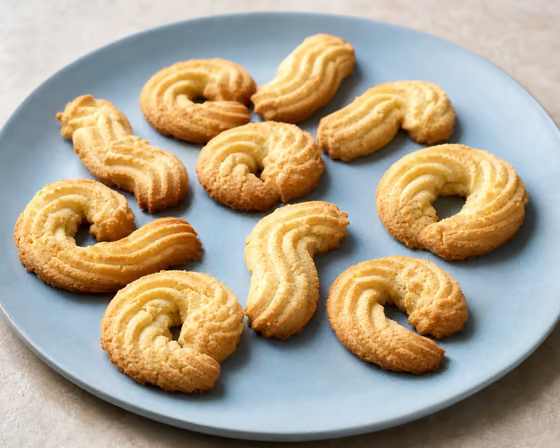
 Ílhavo Piped Butter Biscuits
Regional buttery biscuits piped into deeply ridged rings and curves.
The Centre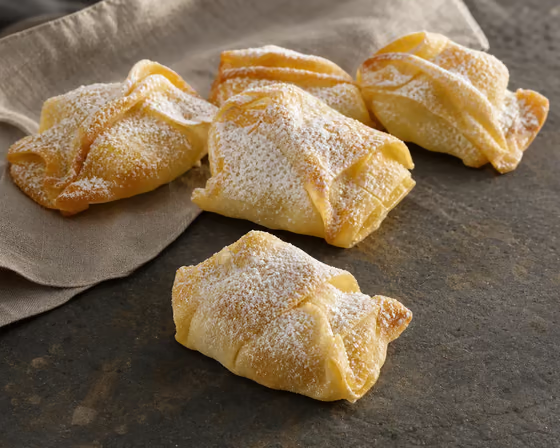 Catalogue image
 Saint Friar Gil’s Saddlebags
The small saddlebag-shaped pastry created at Vouzela’s vocational school and recognised as an innovative sweet.
The Centre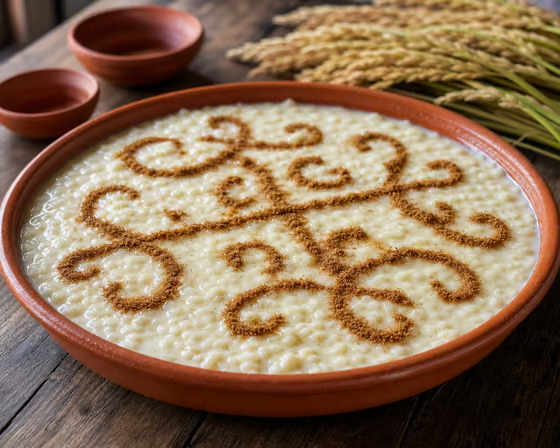 Catalogue image
 Baixo Mondego Rice Pudding
Mondego Carolino rice and Gândara milk, traced with cinnamon.
The Centre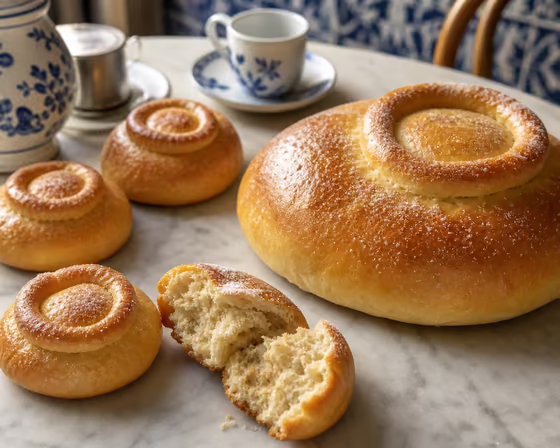 Catalogue image
 Arrufada de Coimbra
Coimbra's light, fragrant sweet bread, given by godparents at Easter.
The Centre