Folar de Vale de Ílhavo — Ílhavo Municipality Recipe
This formula published by Ílhavo Municipality starts with half the flour, water, salt and yeast, then adds sugar, five yolks, butter and cinnamon or lemon zest. It makes one medium folar decorated with four eggs or three small ones with one egg each. A family formula shared through Primor by Filomena Grave of Vale de Ílhavo uses 1.5 kg flour, three whole eggs and three yolks, more butter and a quantified overnight rise. The versions are documented separately.
- Yields
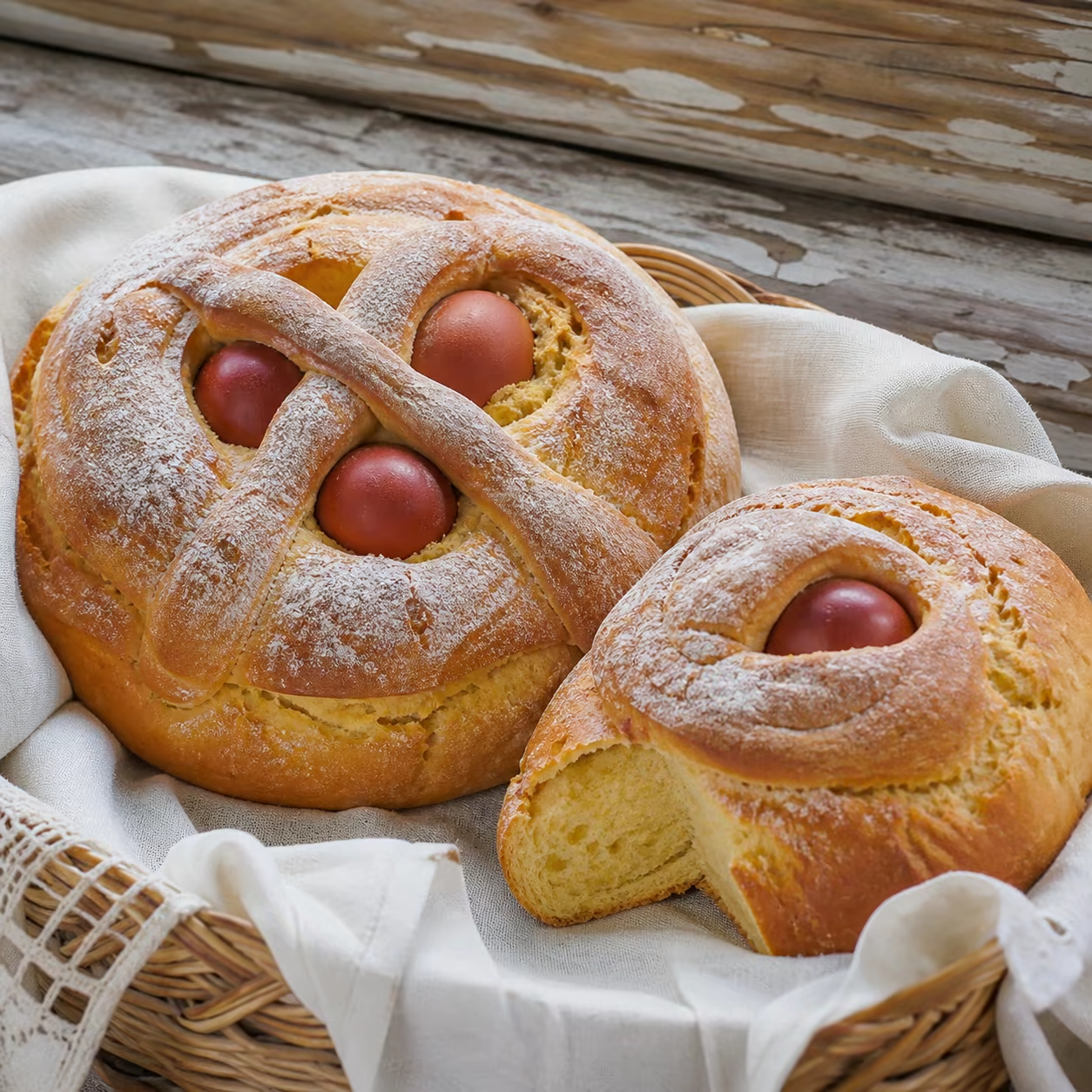
- 1 medium folar with 4 eggs or 3 small folares with 1 egg each
- Prep
- About 1 hour for the first rise, plus a second rise until approximately doubled
- Cook
- Not stated; bake in a preheated wood-fired oven
Ingredients
- 1 kg / 2 lb 3 oz Wheat flour
- 15 g / 0.5 oz Salt
- 20 g / 0.7 oz Baker's yeast
- 400 g / 14.1 oz Sugar
- 5 Egg yolks
- 50 g / 1.8 oz Butter, melted
- 200 ml / 6.8 fl oz Warm water
- to taste Cinnamon
- Amount not stated; optional Lemon zest, as an alternative to cinnamon
- 4 for 1 medium folar or 3 for 3 small ones Eggs for decoration
- Amount not stated Onion skins for boiling the eggs
Method
Boil the decorating eggs in water with onion skins until fully cooked and coloured. Remove and leave to cool; the source states no duration.
Dissolve the yeast in the 200 ml / 6.8 fl oz warm water. Add about 500 g / 1 lb 2 oz of the flour and the salt and knead thoroughly.
Cover and leave to rise for approximately 1 hour.
Add the sugar, five yolks and melted butter and mix thoroughly.
Add the remaining 500 g / 1 lb 2 oz flour and cinnamon to taste or lemon zest. Knead until thoroughly combined.
Cover again and leave to rise until the dough reaches approximately twice its volume. The source publishes no duration for this stage.
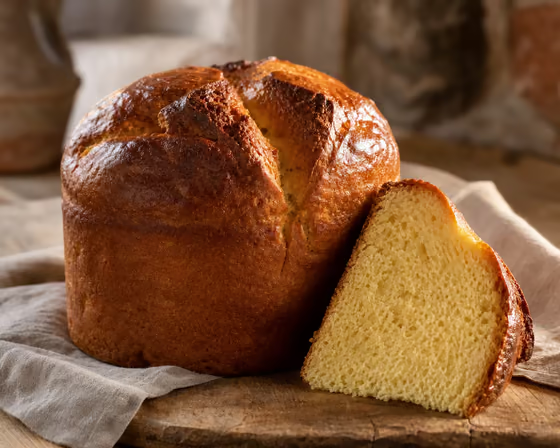
For one medium folar, shape the dough, reserve small strips and arrange four cooked, cooled eggs on top; secure them with crossed strips. Alternatively, make three small folares with one egg each.
Bake in a preheated wood-fired oven. The municipal recipe states neither temperature nor duration; we do not transfer the 150°C / 300°F and 1½–2 hours published for Primor's different formula.
Sources for this recipe
The quantities and method were checked against the references below. Family recipes may vary; where no single official formula exists, we present a representative practical version and say so plainly.
Read the editorial policy →