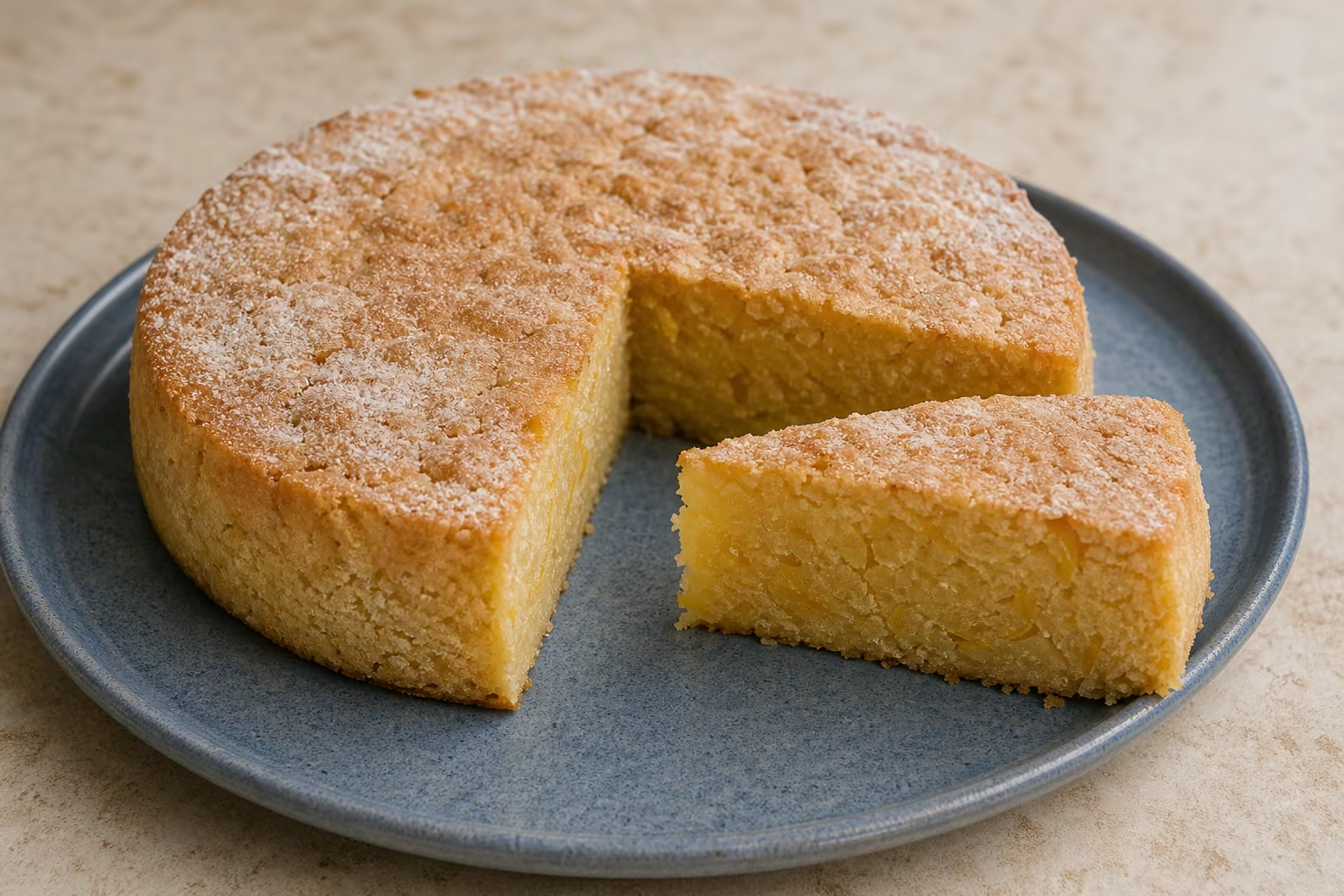
Alentejo Toucinho Rançoso
Also known as: Toucinho Rançoso · Bolo Rançoso
An almond, egg and gila convent cake whose misleading name is said to come from a sweet-toothed nun.
- Origin
- Monforte · Upper Alentejo
- Place
- Alentejo
- Region
- The Alentejo
- Category
- Convent Sweets
- Season
- Year-round
- Evidence
- Well documented
Toucinho Rançoso is a round cake 15–20 centimetres wide and 3–5 centimetres high. Its dense batter combines almonds, eggs, sugar, gila squash preserve, flour and butter. It bakes slowly while completely covered in flour, creating a protective crust and preventing excessive browning.
After baking, loose flour is brushed away and sugar may be added. The cake is pale golden, compact and moist, with fine strands of gila visible in a slice.
- almonds
- eggs
- sugar
- gila squash preserve
- wheat flour
- butter
Intense almond and yolk, gentle gila and a moist crumb beneath a thin floury crust.
Also called Bolo Rançoso; it may be merely brushed clean or finished with sugar.
In Monforte and at traditional sweet shops or restaurants in Upper Alentejo; confirm availability, as it is not an everyday cake in every bakery.
Strong coffee or dessert wine, in small slices.
DGADR attributes conventual roots and records as a popular story—not a proven event—that a nun caught eating told her confessor she was tasting 'rancid bacon', disguising the sin of gluttony. Turismo de Portugal expressly locates the sweet in Monforte, Upper Alentejo, while the Alentejo Gastronomic Charter also includes it in the municipality's sweet repertoire.
Well documented
Identity supported by institutional, specialist or corroborating sources.
- tradicional.dgadr.gov.pt/pt/cat/doces-e-produtos-de-pastelaria/753-toucinho-rancoso (opens in a new tab)
- visitportugal.com/pt-pt/destinos/alentejo/73794 (opens in a new tab)
- confrariagastronomicadoalentejo.pt/wp-content/uploads/2018/05/carta-gastronomica-do-alentejo.pdf (opens in a new tab)
Pastries from here — The Alentejo
 Catalogue image
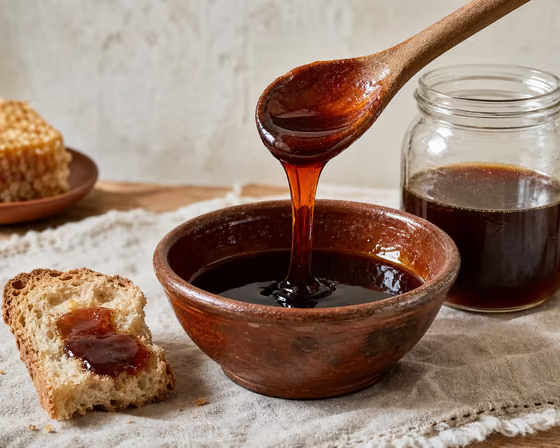
 Portuguese Água-mel Syrup
Water that recovers honey from combs after extraction, filtered and reduced for hours to 70–77° Brix.
The Alentejo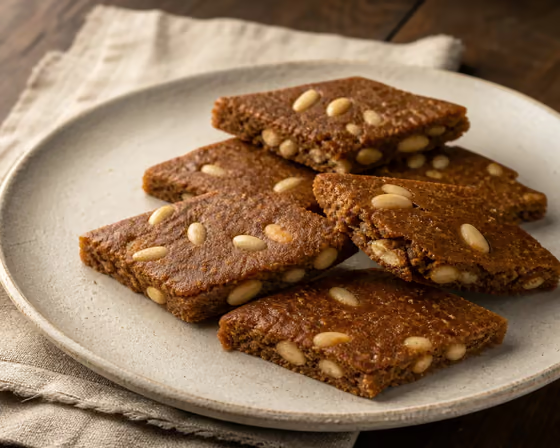 Catalogue image
 Alcomonias
Toasted coarse wheat flour, honey and pine nuts spread and cut into diamonds.
The Alentejo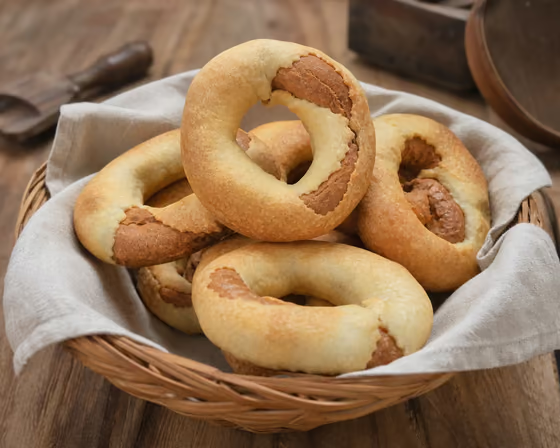 Catalogue image
 Amoreiras-Gare Alcôncoras
A large circular honey-and-olive-oil biscuit born from Amoreiras-Gare's promise-pole tradition.
The Alentejo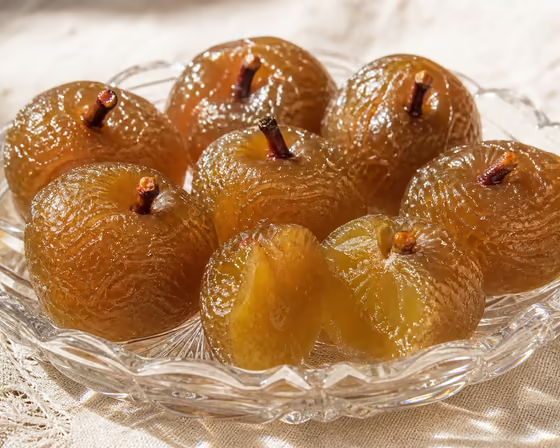 Catalogue image
 Elvas Plums
Protected Rainha Cláudia Verde greengages sold fresh, dried or candied—the sweet form requires at least seven days of slow candying.
The Alentejo