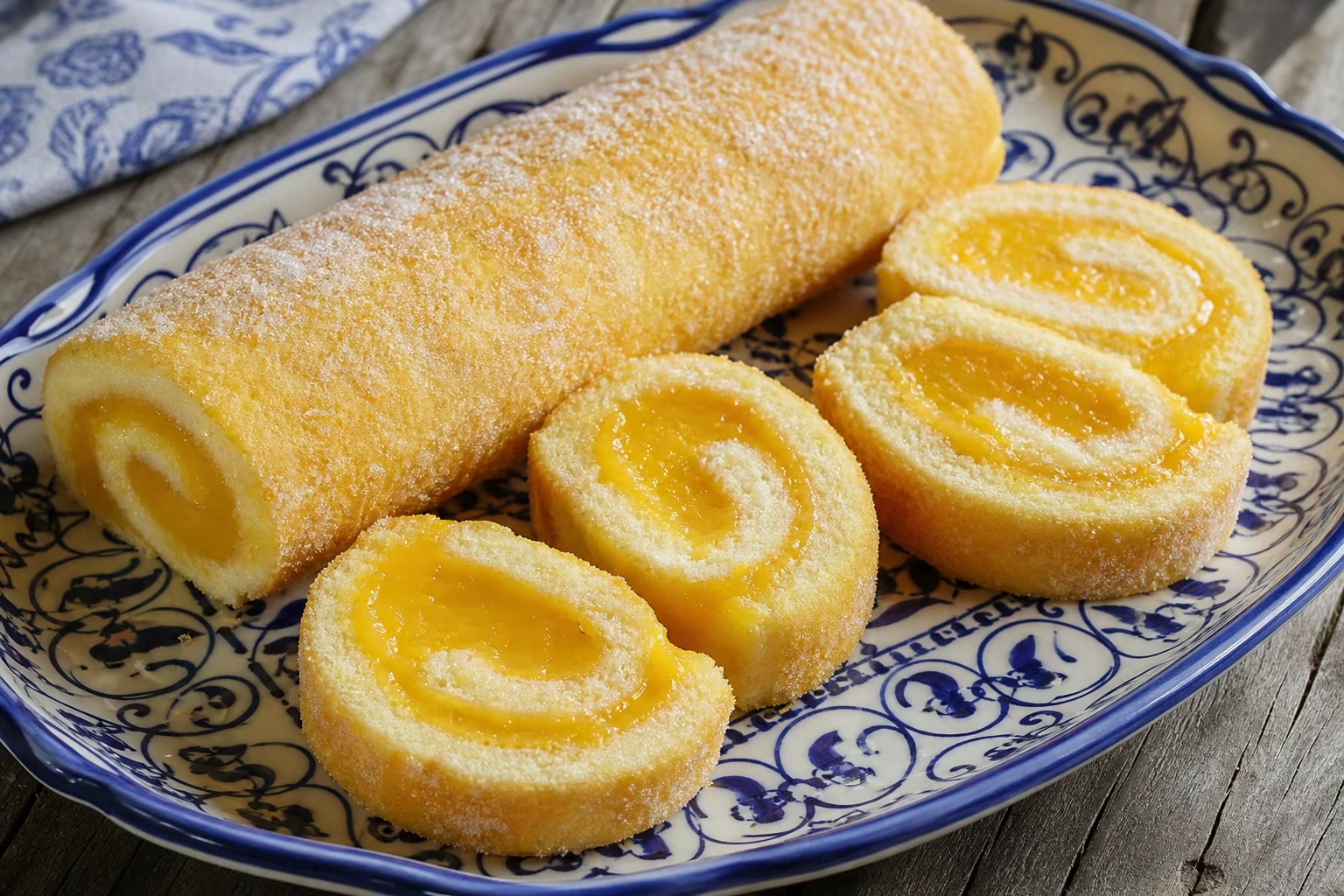
Viana Rolls
Also known as: Torta de Viana · Royal Torta
A thin sponge rolled around an egg-yolk cream, inherited from the Poor Clares of Viana.
- Origin
- Convent origin, Viana do Castelo — traditionally traced to the Convent of Santa Ana, founded in 1505
- Place
- Viana do Castelo
- Region
- The North
- Category
- Egg-Yolk Sweets
- Season
- Year-round
- Evidence
- Well documented
Tortas de Viana are thin sponge rolls wrapped around a golden egg-yolk cream. Dusted with sugar and cut into short portions, each slice reveals a pale spiral of cake surrounding a moist yellow heart of doce de ovos.
In Viana do Castelo's rich confectionery tradition, the torta belonged to important occasions: light in appearance but generous in filling, with fine sponge giving way to cream that almost reaches the edge. Despite the usual plural name, locals also speak simply of the torta de Viana—an old recipe now protected through the city's certification mark.
- Egg yolks
- Whole eggs
- Sugar
- Wheat flour
- Egg cream (doce de ovos) for the filling
- Sugar for dusting
Very sweet and unmistakably eggy, yet surprisingly light: the sponge sheet is airy and slightly springy, the yolk filling is silky and almost molten, and the dusting of sugar adds a dry, faint crackle against the moist centre.
The classic version carries only the egg cream and a dusting of sugar, though some bakers scent it with cinnamon. Variants filled with fruit compote or jelly have appeared, but the egg-cream version remains the benchmark and the certified form.
Look for it in the Viana do Castelo pastelarias and confeitarias that joined the municipal certification, among them Zé Natário, Pastelaria Rosarinho, Ameadella and Dona Farinha. The real thing always shows a thin sponge spiral overflowing with egg cream, not a plain rolled cake.
It calls for a short espresso or bica to cut the sweetness; for a more Minho touch, pair it with a glass of Port or a Moscatel.
Tradition attributes the recipe to Viana do Castelo's Convent of Santa Ana, founded in 1505. Its first Poor Clare nuns came from Vila do Conde with a reputation for confectionery and knowledge of convent egg-and-sugar craft. Reserved for celebrations, the luxurious roll was also called Torta Real.
It survived the dissolution of Portugal's religious orders by moving into city confectioneries and private homes. A municipal certification process begun in 2020 concluded in 2021, recognising Torta de Viana as a traditional local sweet and registering its name with Portugal's intellectual-property institute.
Well documented
Identity supported by institutional, specialist or corroborating sources.
- cm-viana-castelo.pt/visite-viana/planear-a-visita/compras-e-produtos-certificados/produtos-certificados/torta-de-viana (opens in a new tab)
- publico.pt/2021/10/27/fugas/noticia/torta-viana-ja-certificada-1982655 (opens in a new tab)
- radiogeice.com/2021/10/municipio-garante-certificaao-nacional-da-torta-de-viana-enquanto-referencia-da-docaria-tradicional-do-concelho/ (opens in a new tab)
- diariodistrito.sapo.pt/torta-de-viana-reforca-certificacao-dez-pastelarias-asseguram-a-tradicao-de-um-doce-historico/ (opens in a new tab)
- evasoes.pt/comer/torta-de-viana-ja-e-um-doce-certificado/1024866/ (opens in a new tab)
Pastries from here — The North
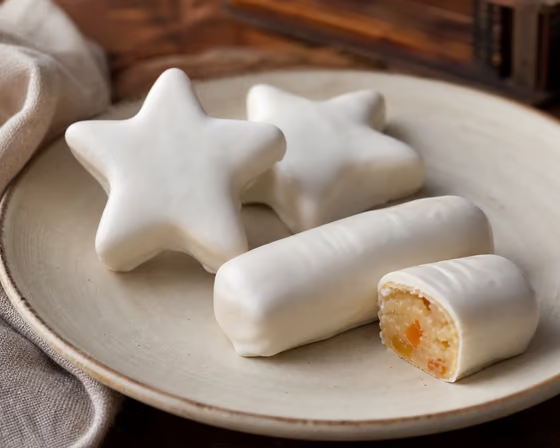 Catalogue image
 A Bella Queijadinha de Barcelos
A white star of almond, preserved fruit and family memory.
The North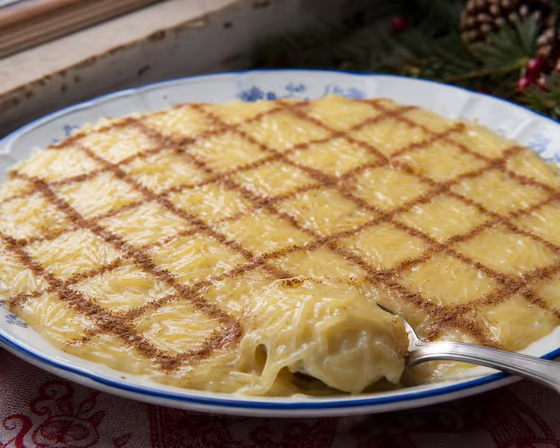 Catalogue image
 Sweet Vermicelli
Fine wheat threads simmered in milk and yolk, scored with cinnamon.
The North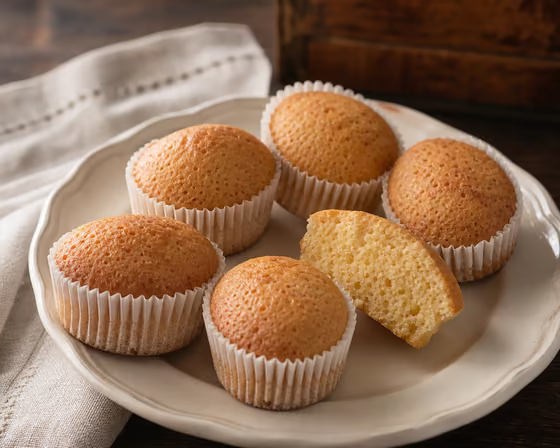 Catalogue image
 Amarantinos
Small egg, lemon and cinnamon cakes whose historical identity is not told consistently by the sources.
The North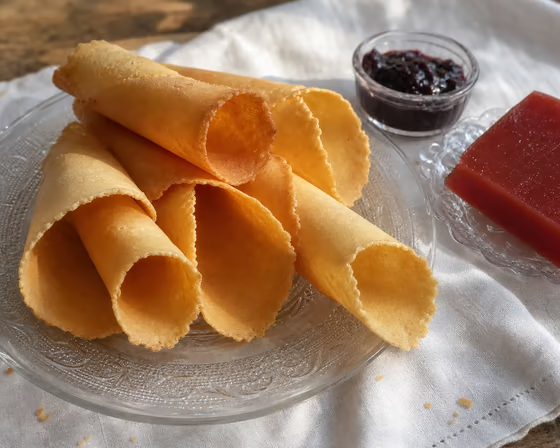 Catalogue image
 Vieira do Minho Cone Wafers
Paper-thin crisp wafers, iron-baked and rolled by hand while still hot.
The North