Tibornas
Also known as: Vila Viçosa Tiborna · Large Tiborna
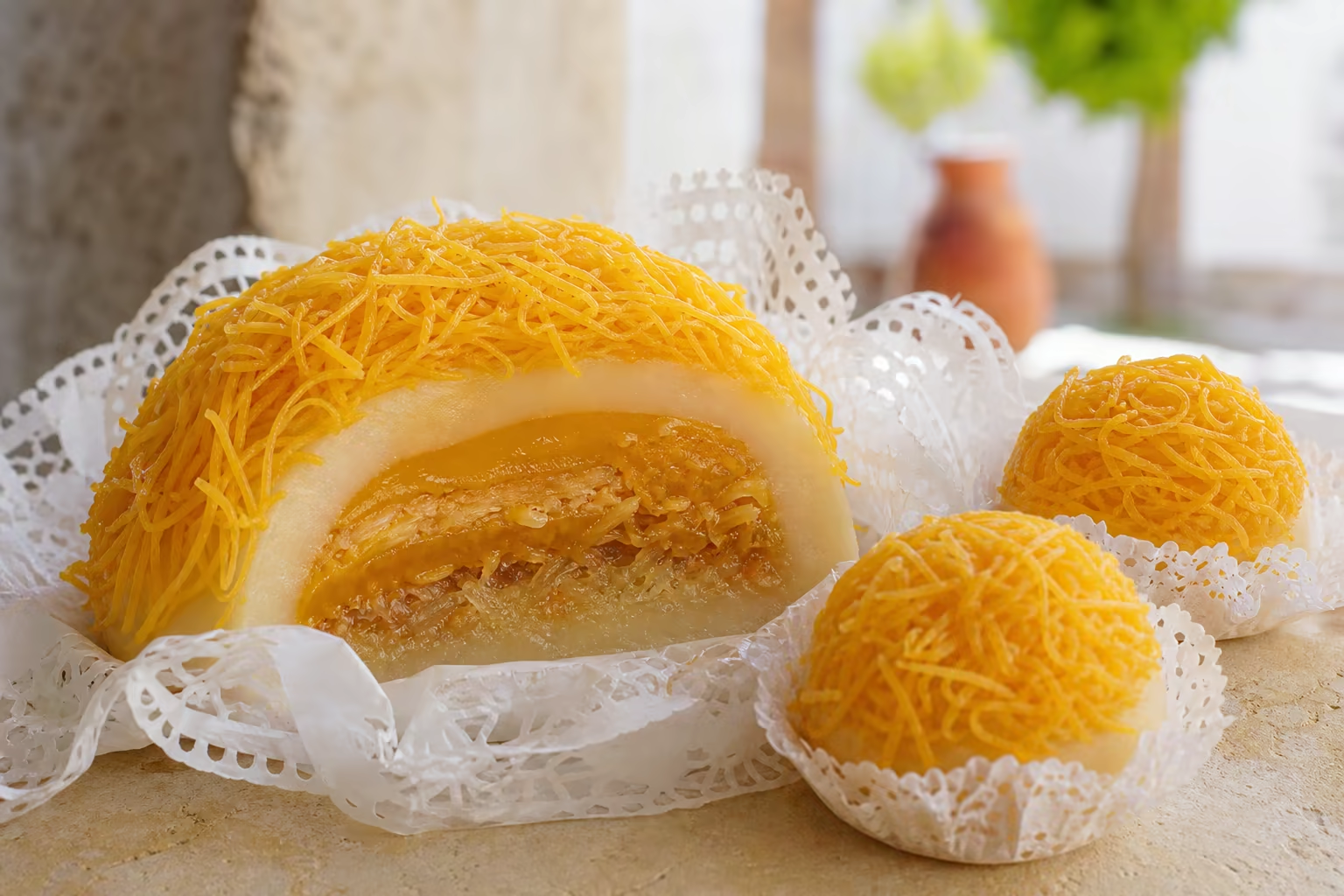
A dome of almond paste, gila and egg threads wrapped in lace-cut tissue paper.
- Origin
- Vila Viçosa, Alentejo
- Place
- Vila Viçosa
- Region
- The Alentejo
- Category
- Convent Sweets
- Season
- Seasonality not documented
- Evidence
- Well documented
The Tiborna de Vila Viçosa is a round Alentejo convent sweet shaped like a low spherical dome. Portugal's DGADR Traditional Products record describes a nearly white layer of almond paste filled with egg sweet, egg threads and gila preserve, covered with further egg threads and decorated with crystallised fruit or silver-coloured sugar pearls.
The traditional presentation weighs between 500 grams and one kilogram, although individual pieces measuring about five to six centimetres in diameter are also made. The confection is placed in lace-cut tissue paper. The image on this page represents the documented structure but does not substitute for the appearance of a piece made by any particular producer.
- Almond
- Egg yolks
- Sugar
- Bread crumb and crust
- Gila squash preserve
- Cinnamon
- Lemon zest
- Crystallised fruit or sugar pearls for decoration
The documented composition combines almond paste, egg sweet, egg threads, gila, sugared bread, cinnamon and lemon; the selected sources provide no independent tasting note.
DGADR distinguishes the large Tiborna, traditionally weighing 0.5 to 1 kg, from small versions measuring about 5 to 6 cm. Decoration may use crystallised fruit or silver-coloured sugar pearls. These differences in scale and finish are documented; other recipe changes have not been confirmed.
A 2015 report by No Ponto recorded that Pastelaria Azul in Vila Viçosa had been making tibornas for more than 30 years. This is historical evidence of continuity, not confirmation of current availability; contact the business directly before travelling or ordering.
No traditional pairing is documented in the reviewed sources.
According to DGADR, tiborna frequently appeared at banquets in the Palace of Vila Viçosa, which became a royal palace from the seventeenth century. The source cautiously states that it is believed to have been made in secret by nuns from the Convent of Chagas in Vila Viçosa; the recipe is said to have become public only in the nineteenth century, although an eighteenth-century book already referred to the sweet. More recent works also attribute the recipe to the Convent of Esperança.
The disagreement between Chagas and Esperança must remain visible: the sources do not permit a traditional attribution to become proven authorship. DGADR further records that the status and presentation of tibornas made them gifts of honour. Their exact creation date and the identity of their creator are unknown.
Well documented
Identity supported by institutional, specialist or corroborating sources.
- tradicional.dgadr.gov.pt/pt/cat/doces-e-produtos-de-pastelaria/217-tiborna-de-vila-vicosa (opens in a new tab)
- noponto.pt/tiborna/ (opens in a new tab)
- cozinhatradicional.com/tiborna-grande-vila-vicosa/ (opens in a new tab)
Pastries from here — The Alentejo
 Catalogue image
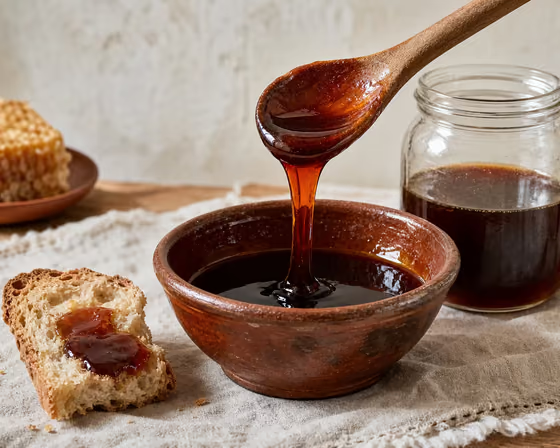
 Portuguese Água-mel Syrup
Water that recovers honey from combs after extraction, filtered and reduced for hours to 70–77° Brix.
The Alentejo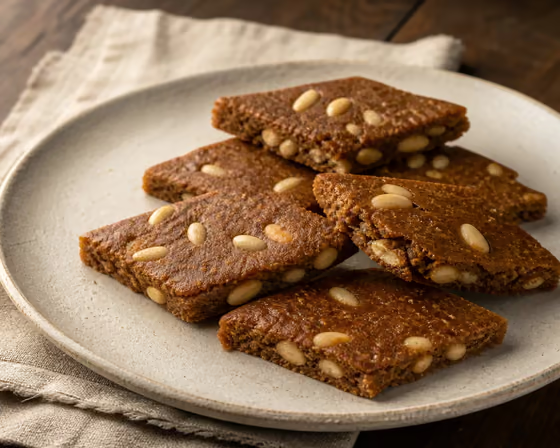 Catalogue image
 Alcomonias
Toasted coarse wheat flour, honey and pine nuts spread and cut into diamonds.
The Alentejo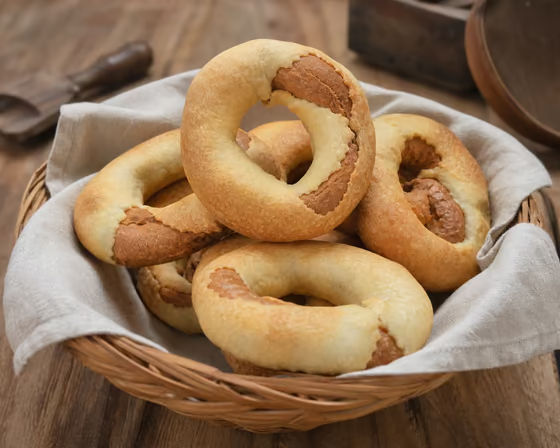 Catalogue image
 Amoreiras-Gare Alcôncoras
A large circular honey-and-olive-oil biscuit born from Amoreiras-Gare's promise-pole tradition.
The Alentejo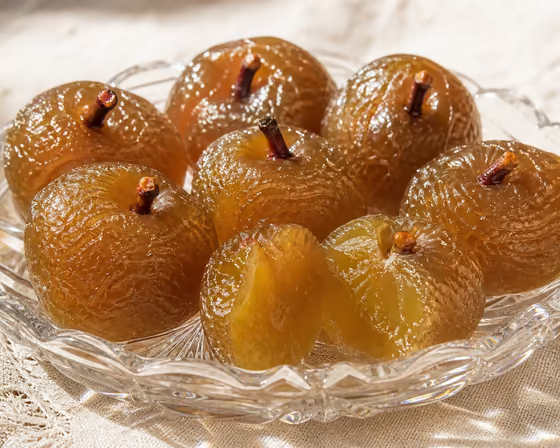 Catalogue image
 Elvas Plums
Protected Rainha Cláudia Verde greengages sold fresh, dried or candied—the sweet form requires at least seven days of slow candying.
The Alentejo