Portuguese Fruit Tartlet
Also known as: Portuguese Fruit Tartlet · Fresh-Fruit Tartlet
Sweet pastry, cream and colourful fruit protected by a film of jelly.
- Origin
- Portuguese pastry-counter tradition
- Place
- Portugal
- Region
- Nationwide
- Category
- Custards & Creams
- Season
- Year-round · fruit varies
- Evidence
- Well documented
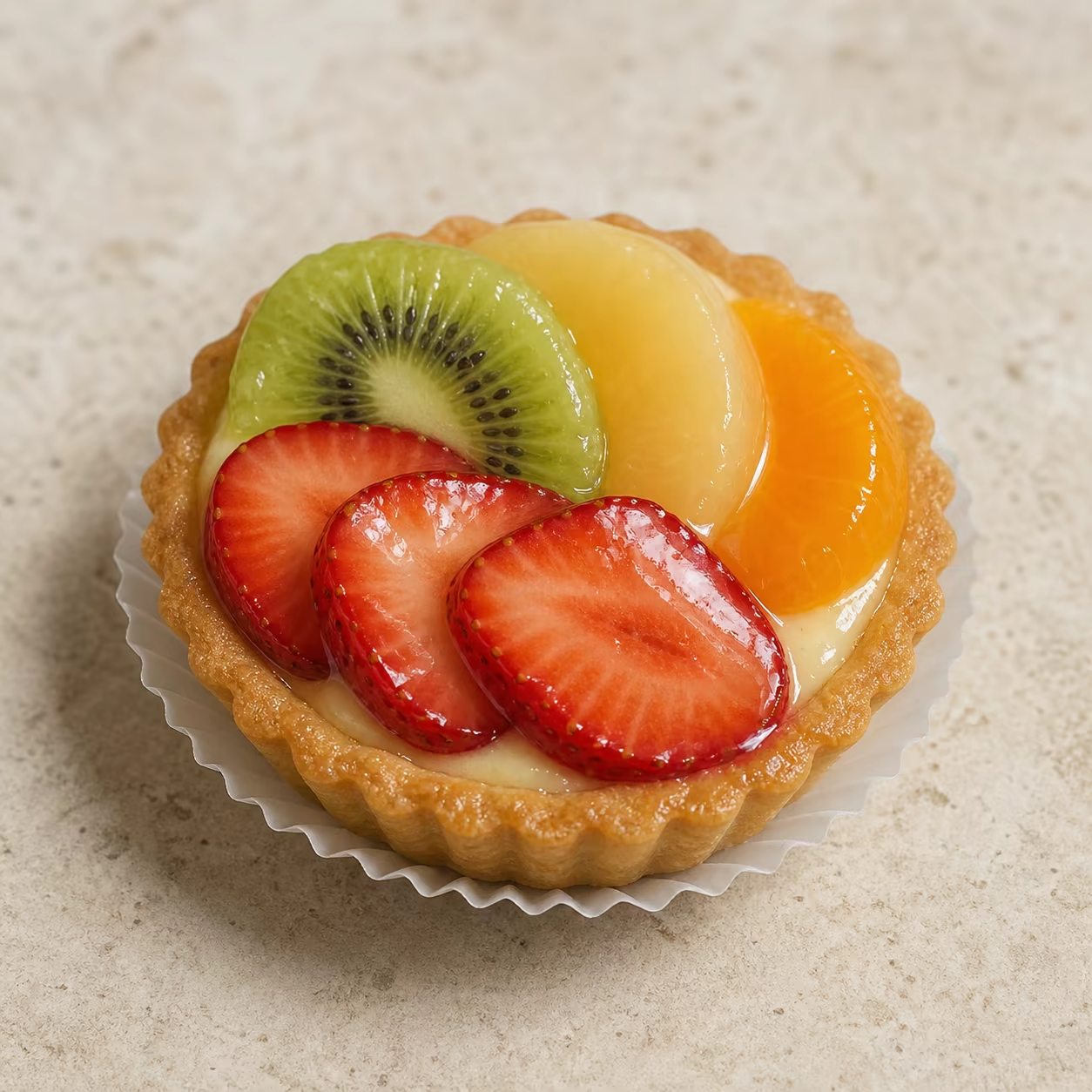
The low Tartelette de Frutas uses a fluted sweet-pastry shell, a layer of pastry cream and fresh or preserved fruit. Strawberry, kiwi, peach and citrus are displayed openly and finished with clear jelly.
The jelly adds shine and reduces oxidation. A tall presentation related to Bom Bocado also exists, using whipped cream instead of pastry cream.
- Sweet pastry
- Pastry cream or whipped cream
- Fresh or preserved fruit
- Jelly glaze
A crisp shell, soft cream, fresh fruit and variable acidity beneath a sweet glossy finish.
The low form uses pastry cream; the tall form uses whipped cream. Fruit selection changes with season and shop.
It is common in Portuguese pastry shops and usually refrigerated. Pastelaria Galeota currently lists a fresh-fruit tartlet on its menu; confirm availability before travelling.
Green tea, coffee or dry sparkling wine.
The sources give no inventor, date or locality. Its identity rests on a display-case solution: combine a stable shell and cream with fruit vulnerable to air. Pastelaria Galeota currently documents a fresh-fruit tartlet made with shortcrust pastry, pastry cream and fruit, independently corroborating the low form.
Fabrico Próprio adds the jelly finish and describes the tall whipped-cream variant as more common in Portugal. Those two details remain attributed to that source, although the low tartlet is the form that gives the cake its name.
Well documented
Identity supported by institutional, specialist or corroborating sources.
- fabricoproprio.net/enciclopedia/tartelette-de-frutas/ (opens in a new tab)
- galeota.pt/menu/ (opens in a new tab)
Pastries from here — Nationwide
 Catalogue image
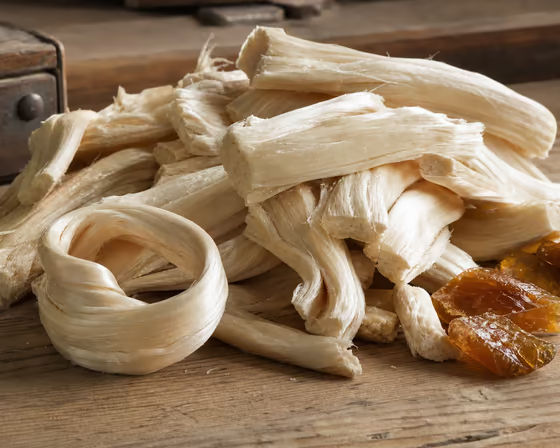
 Alféloa
Sugar or molasses cooked to a hard stage and worked until pale.
Nationwide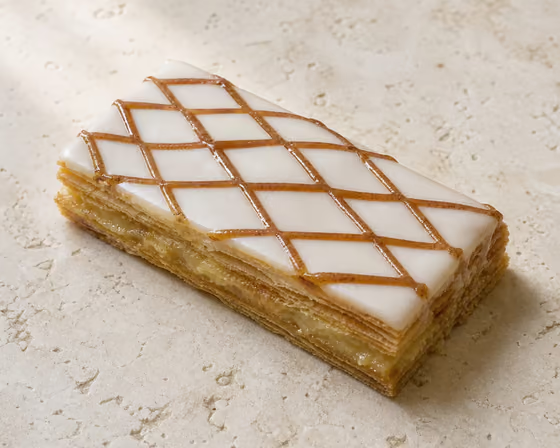 Catalogue image
 Portuguese Gila Allumette
A rectangular puff pastry with cream, gila and cinnamon beneath diamond-patterned royal icing.
Nationwide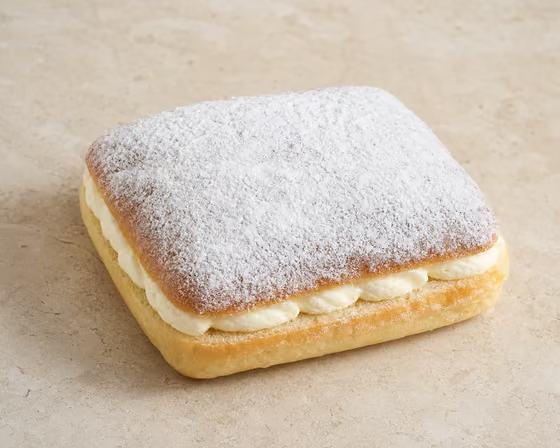 Catalogue image
 Portuguese Brioche Almofada
Light brioche dough, fresh buttercream and icing sugar.
Nationwide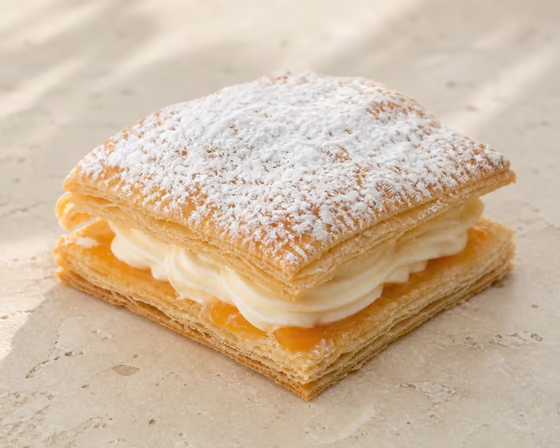 Catalogue image
 Portuguese Puff-Pastry Almofada
Puff pastry with white cream, egg sweet and icing sugar—the laminated Almofada variant.
Nationwide