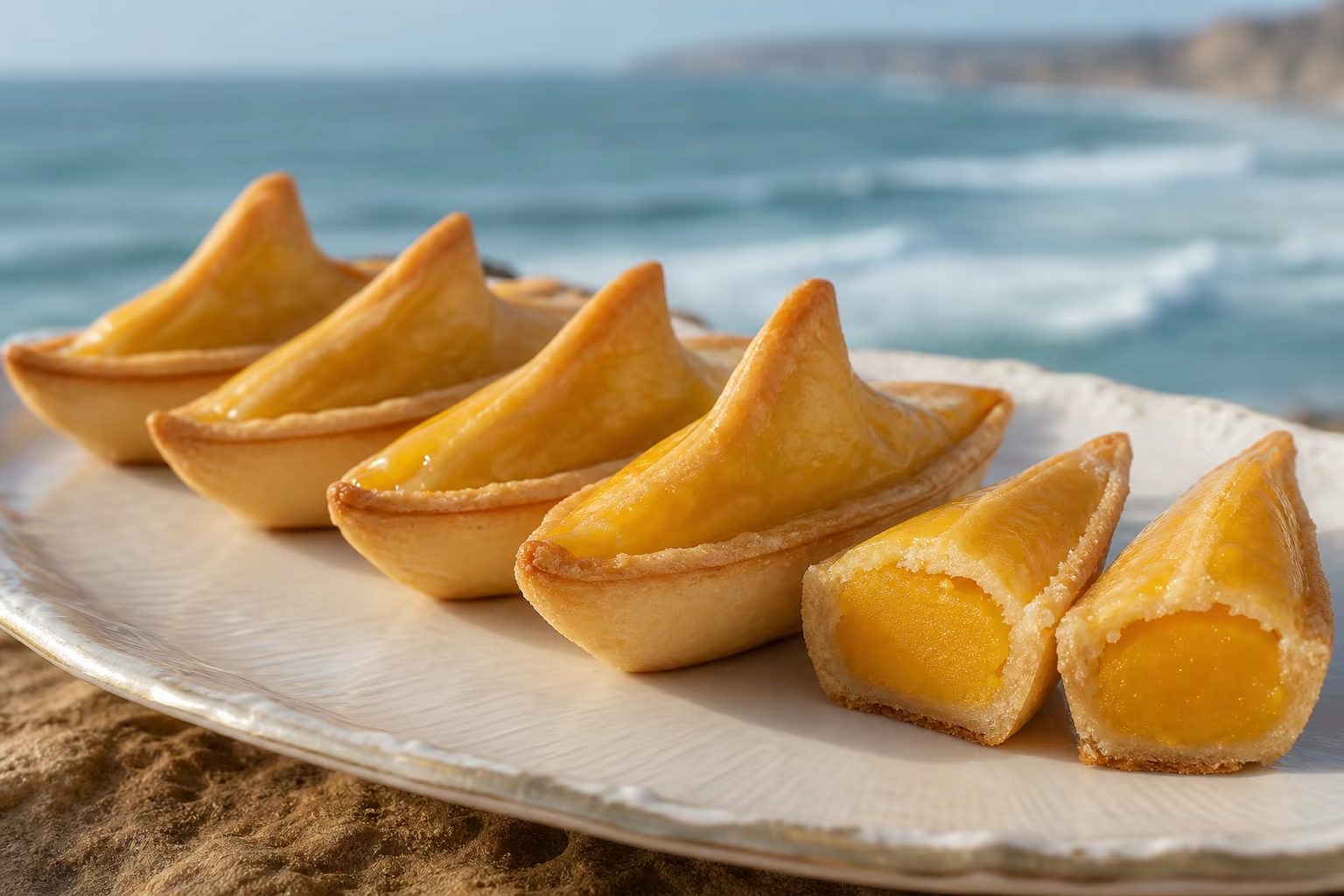
Nazaré Támares
Also known as: Nazaré Támares · Nazaré Boat-shaped Sweets
Small boat-shaped cakes associated with Nazaré's confectionery.
- Origin
- Nazaré, Leiria district
- Place
- Nazaré
- Region
- The West
- Category
- Egg-Yolk Sweets
- Season
- Seasonality not documented
- Evidence
- Well documented
Támares are small boat-shaped cakes typical of Nazaré. That description appears in a local destination guide and on Rota do Peixe, which also places them within the town's confectionery repertoire. The municipal Findout Nazaré platform lists them, together with sweet sardines and nazarenos, among the principal sweets available in the town's many pastry shops.
Rota do Peixe associates támares and fóquins with an egg-sweet filling. The institutional sources reviewed publish no recipe, pastry composition, dimensions or finish. Some secondary tourism pages call them almond pastries, but provide neither a formula nor a producer by which almond could be verified across all versions; it is therefore not treated here as a canonical ingredient.
- Egg sweet (documented filling)
- Complete composition not published in the reviewed sources
Egg sweet is the only flavour element explicitly associated with támares by the selected sources; no independent tasting note was located.
No documented comparison of recipes from different pastry shops was found. The round puff-pastry, icing and almond ‘Tamarês’ published by Tradições Doces is a distinct preparation and should not be used as the recipe for these boat-shaped támares.
Findout Nazaré says támares can be sampled in several pastry shops around Nazaré. Pastelaria Batel counted them among the products behind its reputation in a 2021 report; confirm current availability directly before visiting.
No traditional pairing is documented in the reviewed sources.
An October 2021 report in the regional newspaper Região de Cister documented támares as one of Pastelaria Batel's recognised specialities. According to the article, Maria Manuela and Gama Lopes Coutinho began selling támares, sweet sardines and nazarenos 55 years earlier, when they took over the town's small-cake factory—placing that commercial continuity around 1966.
The sources establish the Nazaré association, boat shape and decades of sales at one local business. They identify no creator, invention date, monastic recipe or proof that the shape was deliberately devised as a tribute to fishing. That reading is plausible in the town's maritime setting, but remains interpretation rather than documented origin.
Well documented
Identity supported by institutional, specialist or corroborating sources.
- findoutnazare.pt/tipicidade-tradicao/ (opens in a new tab)
- turismodocentro.pt/artigo/o-que-comer-na-nazare/ (opens in a new tab)
- rotadopeixe.com/rota-do-centro/nazare/ (opens in a new tab)
- ohairesorts.com/nazare/wp-content/uploads/2023/08/Guia-da-Nazare-PT-2_compressed.pdf (opens in a new tab)
- regiaodecister.pt/2021/10/05/casa-batel-adoca-paladar-de-palecos-e-nazarenos-ha-55-anos/ (opens in a new tab)
- tradicoesdoces.com/post/tamares (opens in a new tab)
Pastries from here — The West
 Catalogue image
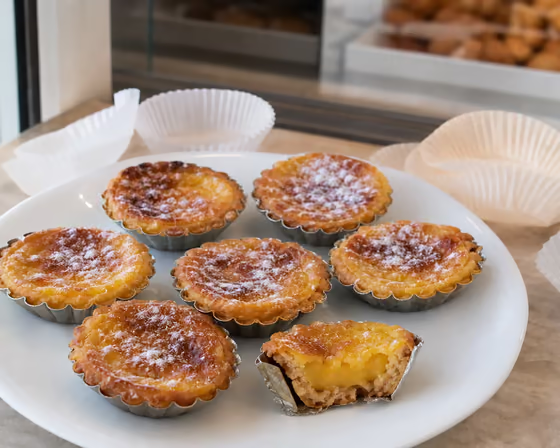
 Friends of Peniche
The sweet named after friends you should not trust.
The West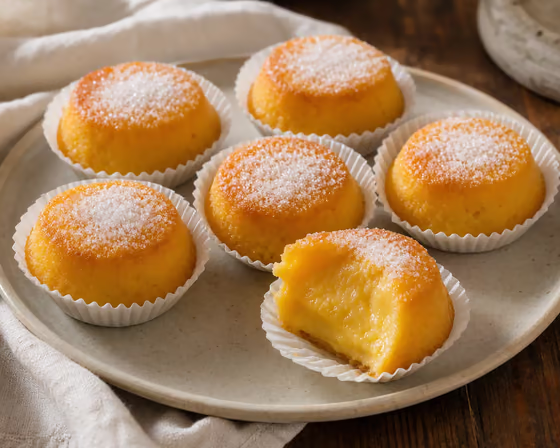 Catalogue image
 Areias Brancas
Small yolk-and-almond pudding cakes, named by the coast and covered with white sugar.
The West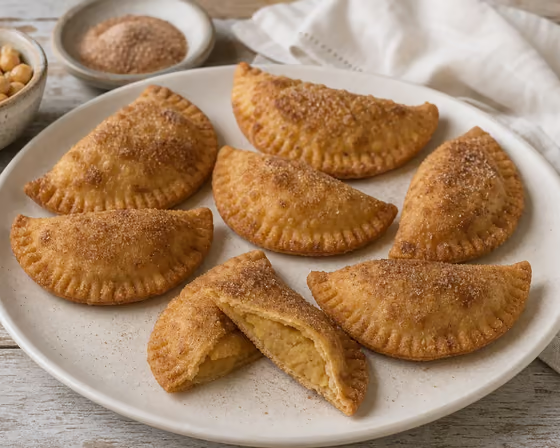 Catalogue image
 Peniche Chickpea Azevias
Thin fried half-moons with a sweet, creamy chickpea, almond and egg-yolk filling.
The West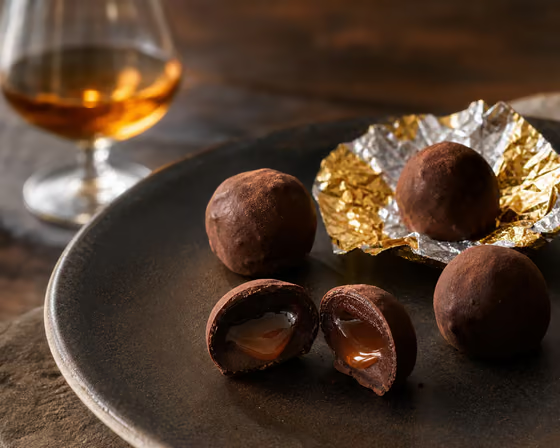 Catalogue image
 Lourinhã DOC Brandy Bonbon
A dark-chocolate bonbon with a Lourinhã DOC brandy heart.
The West