
Trancoso Sweet Sardines
Also known as: Sweet Sardines · Trancoso Sweet Sardine
The sardine that never saw the sea — fried, filled with almond and dipped in chocolate.
- Origin
- 17th century · Convent of Santa Clara, Trancoso
- Place
- Trancoso
- Region
- The Centre
- Category
- Convent Sweets
- Season
- Year-round
- Evidence
- Well documented
The Sardinhas Doces de Trancoso are a convent sweet that deceives at first glance: they have the shape of a sardine, with head and tail cut into a "v", but there is no fish inside. A tender dough of flour, olive oil and water wraps a creamy filling of egg yolks, sugar and ground almond, the whole thing fried in olive oil and then plunged into hot melted chocolate.
Each piece is generous, thirteen to sixteen centimetres long, and the contrast between the crisp shell and the soft, sweet interior is immediately apparent. The head and tail are cloaked in chocolate, dusted with sugar and cinnamon — a finish that gives them the air of a savoury snack masquerading as a dessert.
They are eaten in slices or whole, at a café table or to close a meal, and are a fixture in the pastry shops and fairs of this Beira town.
- Egg yolks
- Grated almonds
- Sugar
- Flour
- Olive oil
- Water
- Chocolate
- Cinnamon
- Salt
The fried shell is thin and crisp, the egg-yolk-and-almond filling is creamy and deeply sweet, while the chocolate and cinnamon lend a slightly bitter, fragrant counterpoint.
The amount of chocolate and the thickness of the coating vary from maker to maker; some versions dust on more cinnamon, others leave the sardine's body barer, with chocolate only on the head and tail.
Look for them in the pastry shops and artisanal producers of Trancoso and at the fairs of its Historic Village; the Confraria das Sardinhas Doces safeguards the recipe and regional producers make them year-round.
They call for a strong espresso or a glass of moscatel; a fortified wine from the Beira region also matches the chocolate and cinnamon well.
The recipe is attributed to the convent of Santa Clara de Trancoso — also known as the Convent of Nossa Senhora do Sepulcro — where tradition holds that it was born in the late seventeenth century, at the height of the Portuguese convent-pastry tradition of egg yolks and almond. Legend has it that, far from the sea and dependent on slow, irregular fish deliveries, the nuns devised a sweet "sardine" to console themselves for the absence of the real thing while it made its way inland.
The presence of chocolate is therefore intriguing: it is almost non-existent in classical convent confectionery, which suggests it was incorporated later. In 2010, the Confraria das Sardinhas Doces de Trancoso was founded to safeguard this gastronomic heritage, and the sweet now appears in the inventory of Traditional Portuguese Products.
Well documented
Identity supported by institutional, specialist or corroborating sources.
- tradicional.dgadr.gov.pt/pt/cat/doces-e-produtos-de-pastelaria/751-sardinhas-doces-de-trancoso (opens in a new tab)
- cm-trancoso.pt/informacoes/confraria-das-sardinhas-doces-de-trancoso-nasceu-em-defesa-do-patrimonio-gastronomico-de-trancoso/ (opens in a new tab)
- publico.pt/2019/03/13/fugas/noticia/ponto-sardinhas-doces-trancoso-1865254 (opens in a new tab)
- aldeiashistoricasdeportugalblog.pt/2020/04/01/a-receita-de-sardinhas-doces-da-aldeia-historica-de-trancoso/ (opens in a new tab)
Pastries from here — The Centre
 Catalogue image
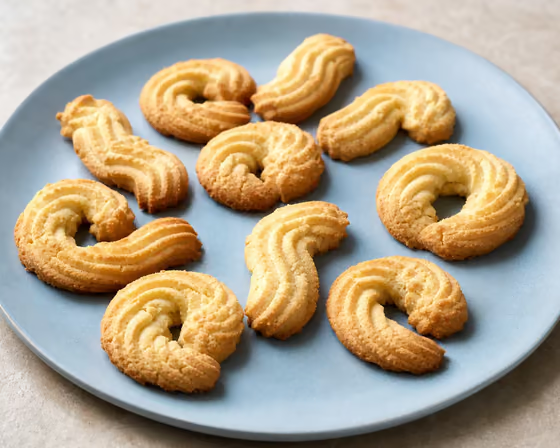
 Ílhavo Piped Butter Biscuits
Regional buttery biscuits piped into deeply ridged rings and curves.
The Centre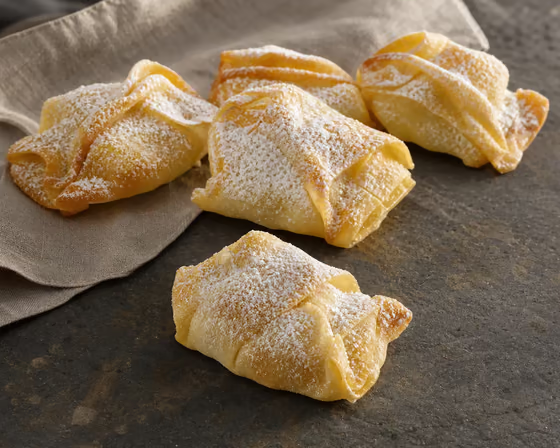 Catalogue image
 Saint Friar Gil’s Saddlebags
The small saddlebag-shaped pastry created at Vouzela’s vocational school and recognised as an innovative sweet.
The Centre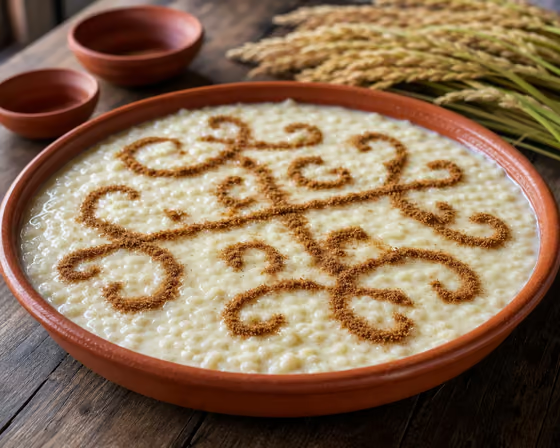 Catalogue image
 Baixo Mondego Rice Pudding
Mondego Carolino rice and Gândara milk, traced with cinnamon.
The Centre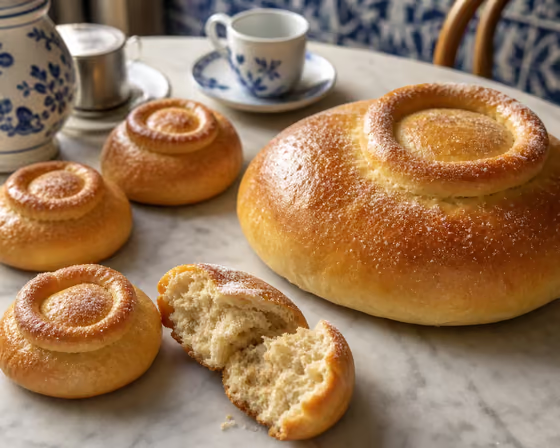 Catalogue image
 Arrufada de Coimbra
Coimbra's light, fragrant sweet bread, given by godparents at Easter.
The Centre