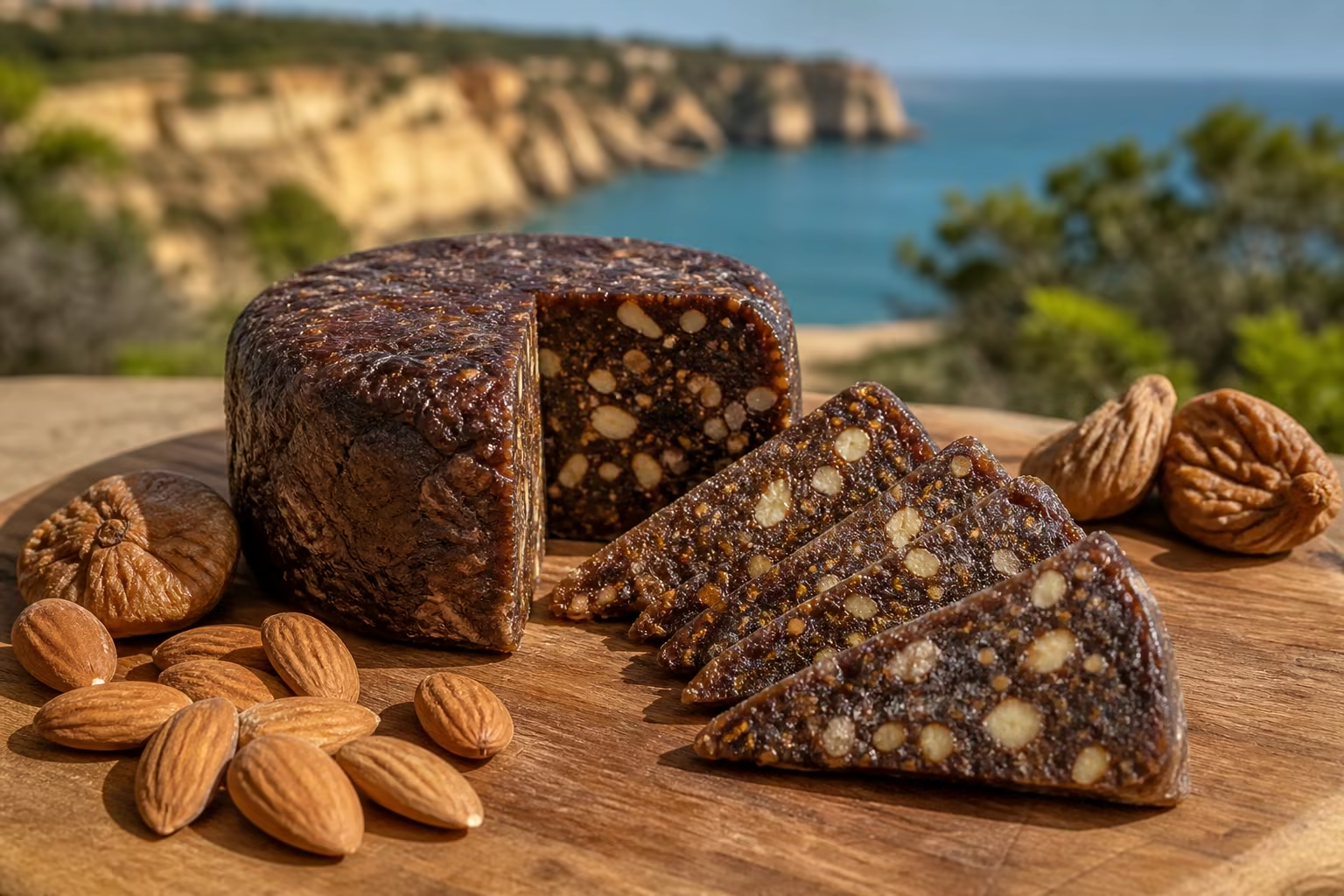
Fig Cheese
Also known as: May Cheese (Queijo de Maio) · Fig and almond cheese
No cheese at all: dried figs and almonds, pressed into a dark wheel.
- Origin
- Algarve · popular tradition referenced in historical sources; creation date unknown
- Place
- Algarve
- Region
- The Algarve
- Category
- Fruit & Honey Sweets
- Season
- Traditionally eaten on May Day; current availability not stated
- Evidence
- Well documented
DGADR documents Queijo de Figo as layers of flattened dried figs alternating with almonds, forming a dark cake speckled white when cut. Weight and dimensions vary; traditional small cheeses could be about 10 cm / 3.9 in across, while boat, map and brazier shapes are also recorded.
The method involves neither cooking nor toasting. Figs are cut horizontally and almonds into slivers; the layers are sprinkled with aguardente inside a ring, finished with figs and held under weight for months. DGADR describes peeled almonds, while the Algarve Gastronomes' Guild formula specifies unpeeled almonds.
The sources publish no storage parameters such as temperature, humidity, water activity or exact shelf life. The tradition is documented, but the safety and duration of a current product depend on professional control and cannot be inferred from the historical method alone.
- Flattened dried figs
- Slivered almonds — peeled in DGADR, unpeeled in the Guild formula
- Aguardente or grape brandy
- Flour only for the assembly surface
The documented composition layers dried fig, almond and aguardente under pressure. The cited sources publish no comparative tasting assessment; flavour and texture vary with raw materials, layer thickness and pressing.
DGADR records cheese, boat, map and brazier shapes. The clearest documentary difference concerns the almonds: peeled in DGADR's record, unpeeled in the Guild formula.
DGADR identifies the Algarve, especially its upland areas, but publishes no current list of makers or shops. Confirm origin, ingredients, alcohol content, storage and availability directly.
The cited sources publish no traditional or required pairing.
DGADR cites Silva Lopes concerning figures made with fig, almond and pine nut and reproduces Thomaz Cabreira's assessment that this and other fig sweets, except Morgado de Figo, appear to have a popular origin explained by regional production. These references support the tradition but provide no first recipe; the creation date remains unknown.
The same record gives May Cheese as an alternative name and records traditional consumption on May Day, when people picnicked in the countryside. It does not, however, demonstrate that every product was begun in autumn or establish an inventor, household or locality of creation.
Well documented
Identity supported by institutional, specialist or corroborating sources.
- tradicional.dgadr.gov.pt/pt/cat/doces-e-produtos-de-pastelaria/214-queijo-de-figo (opens in a new tab)
- cgalgarve.com/receitas/algarve028.html (opens in a new tab)
Pastries from here — The Algarve
 Catalogue image
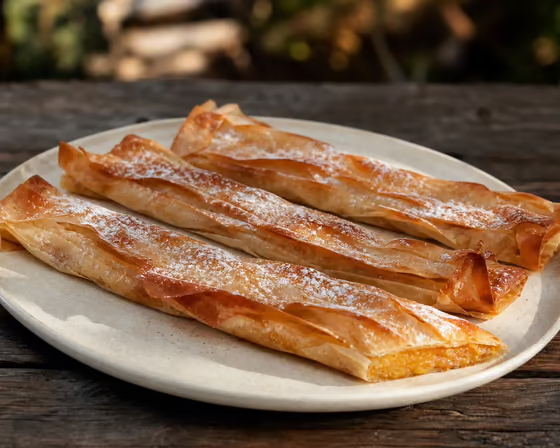
 Aljezur Sweet-Potato Pillows
A long pillow of crisp pastry leaves wrapped around Aljezur sweet potato.
The Algarve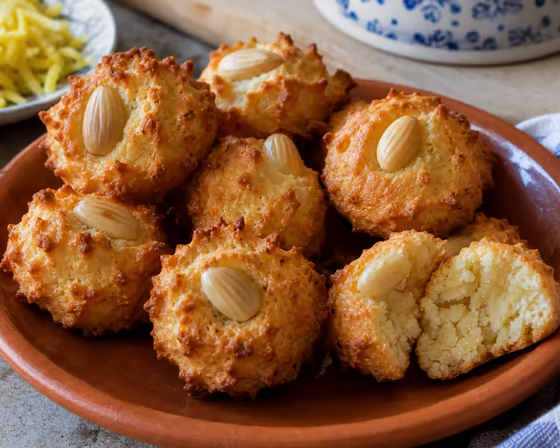 Catalogue image
 Almond Spiky Biscuits
Bristling peaks of almond, lemon and egg white, crisp outside and soft at the centre.
The Algarve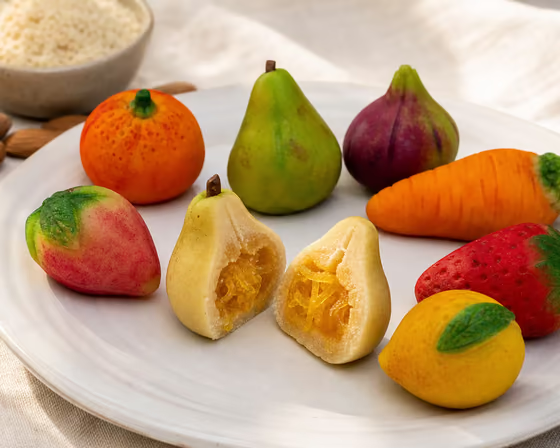 Catalogue image
 Silves Almond Sweets
Algarve figures hand-shaped and painted in almond paste.
The Algarve Catalogue image
 Algarve Nut Sweet Bread
An upland sweet bread enriched with olive oil, spices and walnuts or almonds.
The Algarve