Queijo de Figo or May Cheese — Algarve Gastronomes' Guild Version
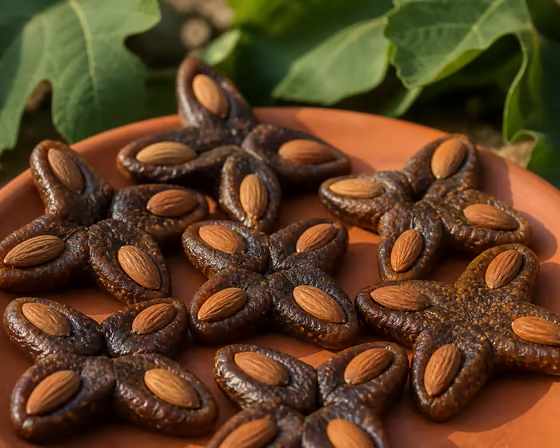
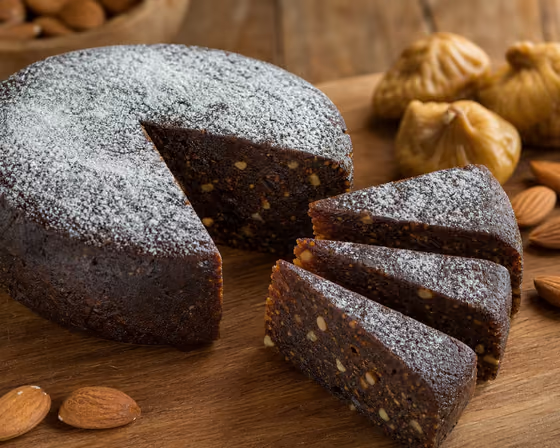
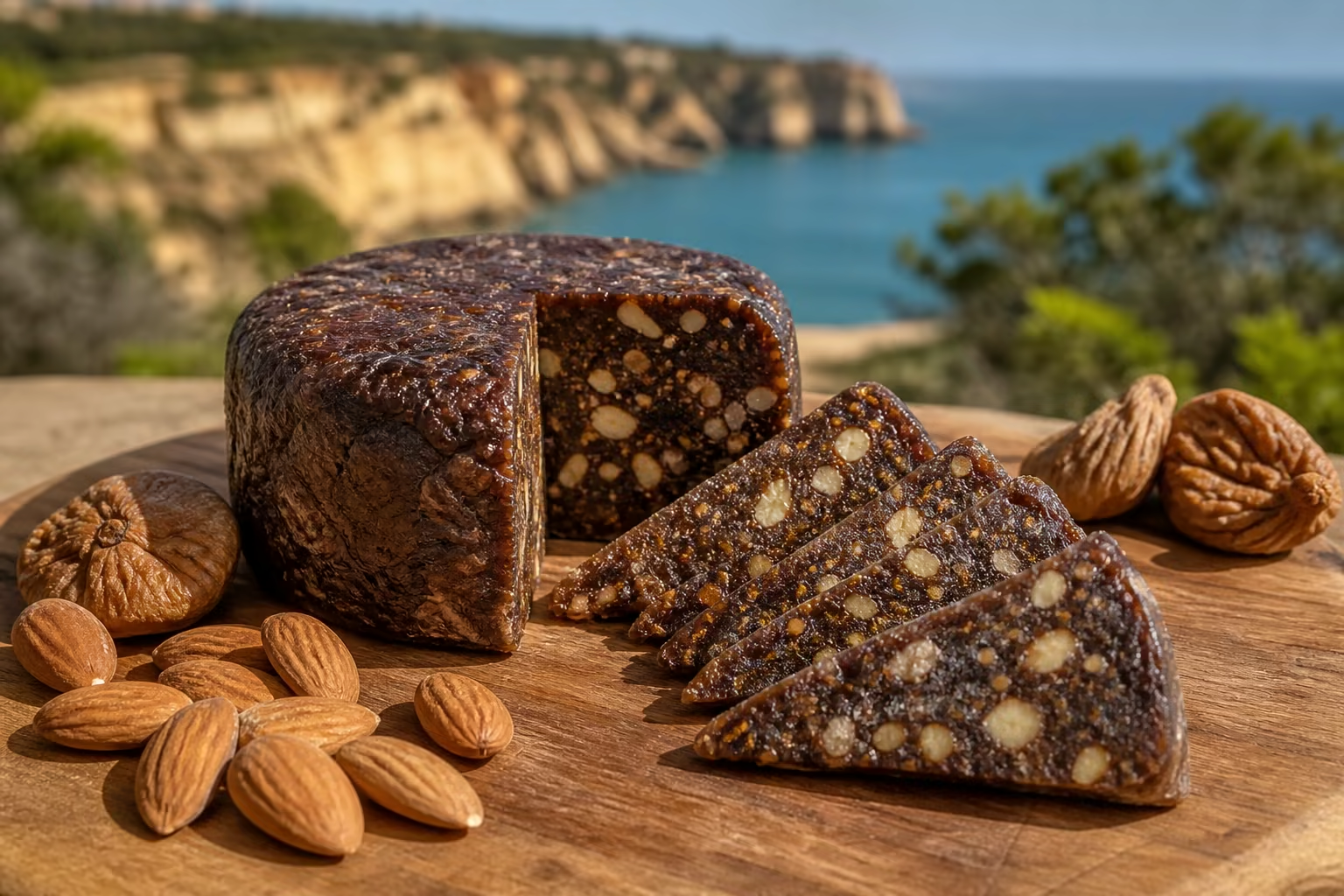
This formula published by the Algarve Gastronomes' Guild builds the sweet from layers of flattened dried figs and slivered almonds sprinkled with aguardente and pressed for months. DGADR confirms the structure, the name May Cheese and the May Day tradition, but describes peeled almonds; the Guild version expressly says they are neither peeled nor toasted. This page preserves that difference.
- Yields
- 1 cheese; diameter and weight not stated in this formula
- Prep
- Active time not stated; pressed for months
- Cook
- No cooking; the figs and almonds are not toasted
Ingredients
- 500 g / 1.1 lb Dried figo-flor figs
- 250 g / 8.8 oz Unpeeled, untoasted almonds
- 50 ml / 1.7 fl oz Aguardente or grape brandy
- as needed; amount not stated Flour for the work surface
Method
Press the dried figs lightly to flatten them, then cut them in half horizontally.
Cut the almonds into slivers. In this version they are neither peeled nor toasted; use sound food-grade almonds with no sign of moisture or mould.
Place a food-safe ring on a clean surface lightly dusted with flour. The source uses a metal hoop or an empreita palm-fibre ring; a rigid, cleanable food ring is the controllable domestic alternative.
Cover the base with a thick layer of flattened fig halves. Scatter over some almond slivers and sprinkle moderately with part of the aguardente.
Repeat the fig, almond and aguardente layers until the ring is full, finishing with figs as DGADR specifies.
Cover with food-contact-safe material, place a flat board and stable weight on top, and leave pressed for months. The sources state no weight, temperature, humidity or exact duration; obtain professional preservation guidance before reproducing this prolonged ageing process at home.
Sources for this recipe
The quantities and method were checked against the references below. Family recipes may vary; where no single official formula exists, we present a representative practical version and say so plainly.
Read the editorial policy →