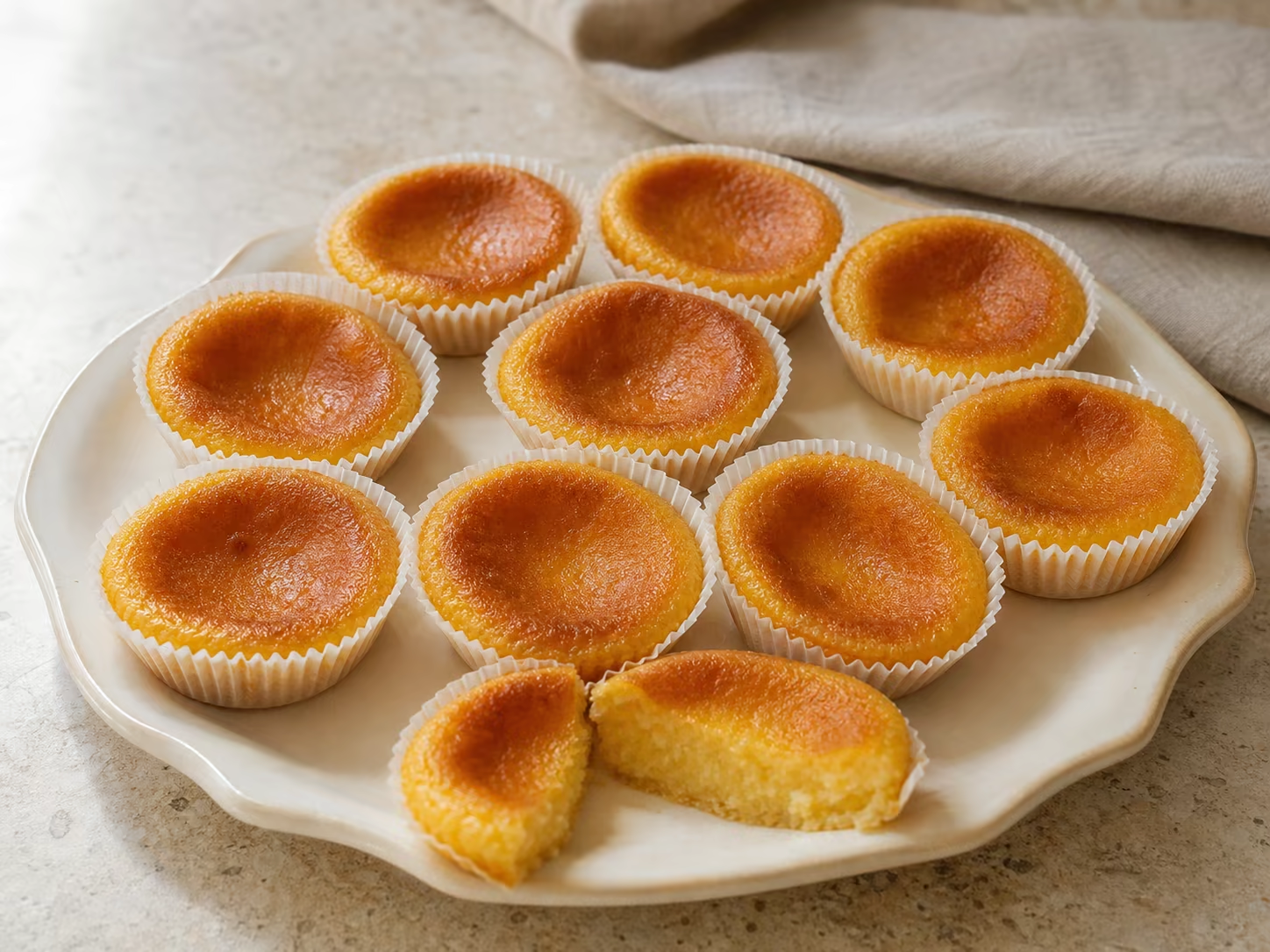
Oliveira de Frades Egg Cakes
Also known as: Oliveira de Frades Egg Cakes · Lafões Queijadinhas
A cheese-less little queijada, golden, dense and led by egg yolk.
- Origin
- Oliveira de Frades · Lafões Region
- Place
- Oliveira de Frades · Lafões
- Region
- The Centre
- Category
- Egg-Yolk Sweets
- Season
- Year-round
- Evidence
- Well documented
Queijadinhas de Oliveira de Frades are small round egg-and-sugar sweets bound with flour and water and baked in shallow fluted paper cases. The surface is smooth yet gently sunken, with an amber-gold centre and a brighter yellow edge; inside, they retain a moist, fine texture rich in egg yolk.
Despite the name, the published regional description includes neither cheese nor requeijão. Here, “queijadinha” refers to the individual form and visual family of Portuguese queijadas, not necessarily to a dairy ingredient.
They are among the specialities most closely identified with Oliveira de Frades and belong to the traditional sweets of the Lafões region alongside Pastéis de Vouzela, cavacas, caladinhos and egg-yolk cakes.
- Eggs and egg yolks
- Sugar
- Wheat flour
- Water
Sweet and intensely egg-rich, with baked-caramel notes, a lightly firm surface and a dense, moist, tender centre.
The original recipe is commercially guarded; home versions may vary in yolk proportion and degree of baking. They should not be confused with requeijão queijadas or Queijadinhas Serranas.
At pastry shops and regional-product stores in Oliveira de Frades and across Lafões; they are normally sold in small paper cases.
Espresso, black tea or a glass of Lafões wine.
The tradition is central enough that tourism inventories and studies of Lafões food heritage present Queijadinhas as the emblematic sweet of Oliveira de Frades. An intermunicipal guide records the egg, sugar, flour and water formula and credits a local pastry business with continuing the original recipe.
Available documentation confirms the essential composition, appearance and regional importance, but provides no secure creation date and does not establish a convent origin. Its history is therefore best told as a preserved local pastry tradition without inventing a specific antiquity.
Well documented
Identity supported by institutional, specialist or corroborating sources.
- cimvdl.pt/wp-content/uploads/2020/08/web-guia-oferta-turistica-2020.pdf (opens in a new tab)
- aprocuradanossaterra.weebly.com/gastronomia-e-artesanato.html (opens in a new tab)
- cm-vouzela.pt/carta-gastronomica-da-regiao-de-lafoes-foi-apresentada-em-vouzela/ (opens in a new tab)
- eubrdialogues.com/sites/default/files/acoes/documentos/049xlix_lista_de_produtos_tradicionais_portugueses_v_19_0.pdf (opens in a new tab)
Pastries from here — The Centre
 Catalogue image
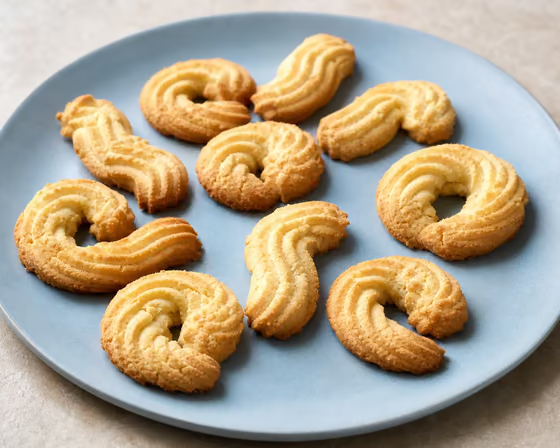
 Ílhavo Piped Butter Biscuits
Regional buttery biscuits piped into deeply ridged rings and curves.
The Centre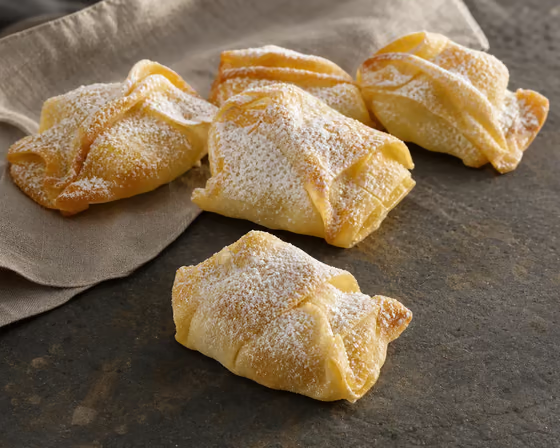 Catalogue image
 Saint Friar Gil’s Saddlebags
The small saddlebag-shaped pastry created at Vouzela’s vocational school and recognised as an innovative sweet.
The Centre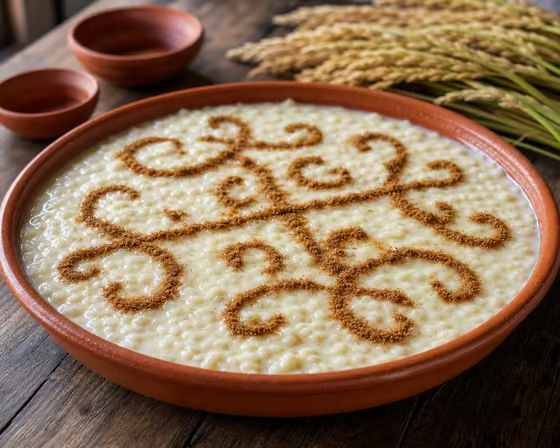 Catalogue image
 Baixo Mondego Rice Pudding
Mondego Carolino rice and Gândara milk, traced with cinnamon.
The Centre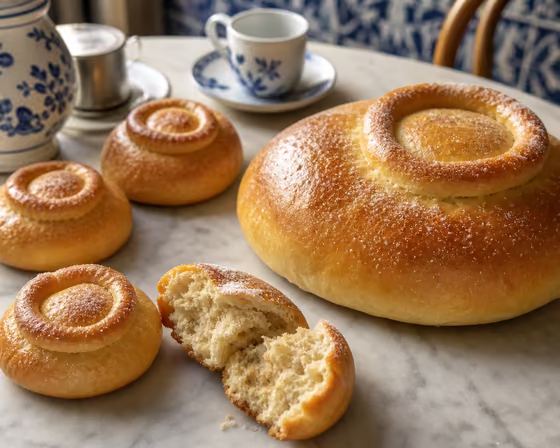 Catalogue image
 Arrufada de Coimbra
Coimbra's light, fragrant sweet bread, given by godparents at Easter.
The Centre