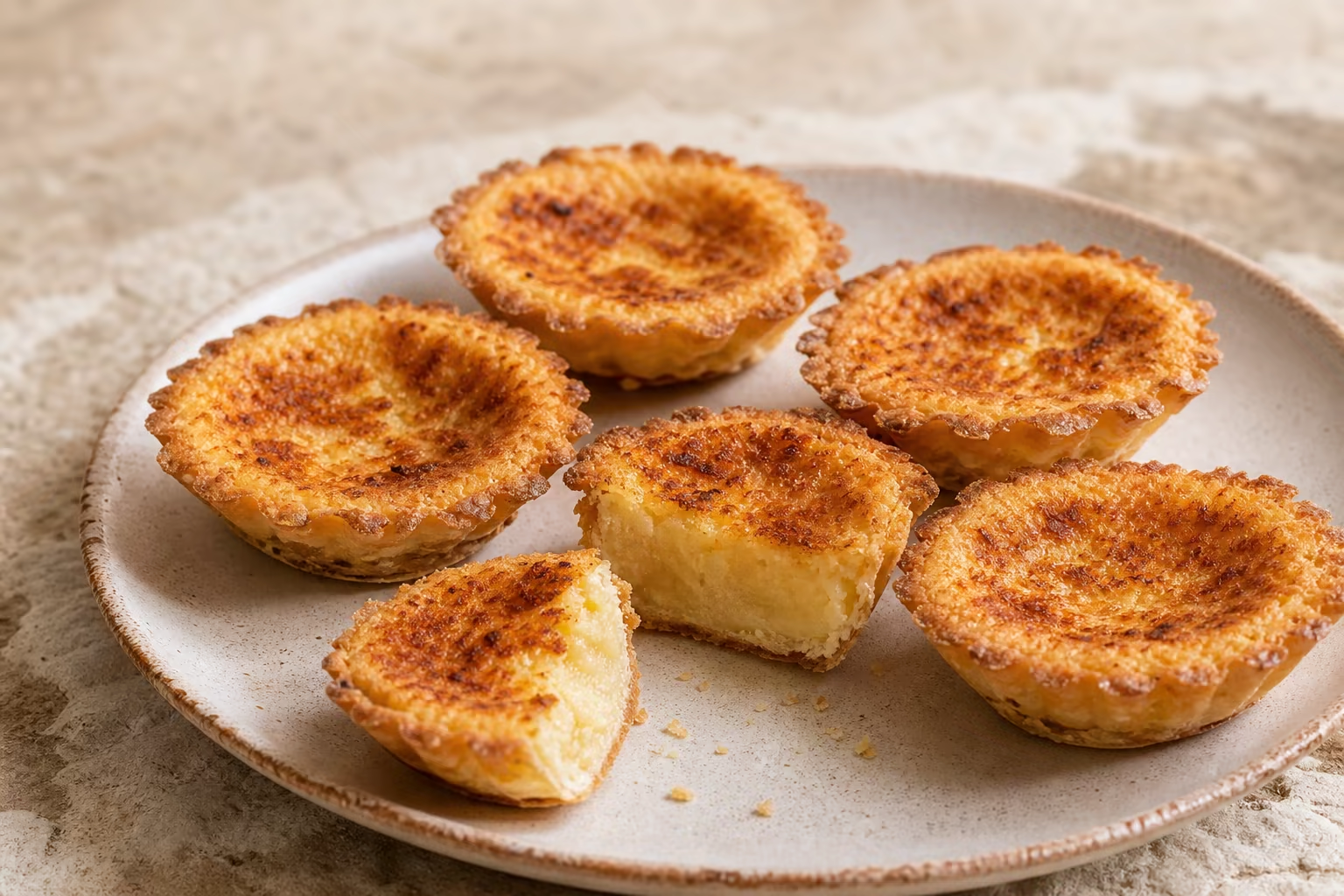
Queijada de Évora
Also known as: Queijadas de Évora · Évora cheese tarts
A very thin pastry case with a sweet fresh-sheep's-cheese filling.
- Origin
- Évora, Alentejo; the fresh-sheep's-cheese variant of the Alentejo queijada family, documented by name in the 1920s.
- Place
- Évora
- Region
- The Alentejo
- Category
- Convent Sweets
- Season
- Year-round
- Evidence
- Well documented
The Queijada de Évora belongs to the Alentejo queijada family: small round forms of very thin pastry filled with a sweet paste of cheese, eggs, sugar, butter and flour. DGADR distinguishes the Évora variant by its use of well-drained fresh sheep's cheese instead of requeijão.
The pastry is kneaded for elasticity, rolled thin and baked until golden. Published formulas are not identical: Teleculinária uses bread in the filling and makes cinnamon optional, while Cascais Food Lab publishes a larger tart with flour and cinnamon. Those differences rule out treating one domestic proportion, finish or format as universal.
The Évora identity has historical evidence independent of any recipe: DGADR records an advertisement for ‘Queijadas de Évora’ in a city newspaper from the 1920s. Today, Évora Municipal Council maintains a dedicated listing for Confeitaria Pau de Canela's Queijadas D’Évora.
- Unsalted fresh sheep's cheese
- Whole eggs and yolks
- Sugar
- Wheat flour
- Butter
- Water and salt for the pastry
- Bread in some formulas
- Optional cinnamon in some formulas
The documented composition combines a thin case, baked until golden, with a sweet, dairy-rich filling of fresh cheese, eggs and butter. Texture and aroma vary with how thoroughly the cheese is drained and with the optional use of bread, flour or cinnamon.
DGADR groups the queijadas of Évora, Estremoz, Elvas, Vila Viçosa and Portalegre in one family, but specifies that Évora and Estremoz replace requeijão with fresh sheep's cheese. Even formulas titled ‘Queijada de Évora’ vary in format, proportions and thickener: bread in one, flour in another. Cinnamon is optional in Teleculinária and mixed into the filling by Cascais Food Lab.
Évora Municipal Council lists Queijadas D’Évora at Confeitaria Pau de Canela, Travessa Lopo Serrão 7A, and publishes the establishment's contacts and opening hours. The municipal listing documents where the product is sold; it does not make the shop's commercial formula public.
DGADR records it as a sweet snack or dessert. At the table it may be served with coffee or tea; this is a serving suggestion, not a documented historical pairing.
DGADR's record, based on the 2001 work Produtos Tradicionais Portugueses, places queijadas within the Alentejo practice of using seasonal, highly perishable requeijão. It records queijada references in a recipe book from the Convent of Santa Clara in Moura and in the recipe book of S. João da Penitência, an institution dissolved in 1787.
Those records support a convent lineage for the wider Alentejo family, but they do not show that a particular nun or Évora convent created this variant. The earliest Évora evidence identified by the same source is separate: an advertisement for Queijadas de Évora in a city newspaper from the 1920s. Authorship, originating convent and creation date remain unknown.
The Évora variant's material distinction is better established than its origin story: as in Estremoz, it uses fresh sheep's cheese rather than the requeijão found in other Alentejo queijadas.
Well documented
Identity supported by institutional, specialist or corroborating sources.
- tradicional.dgadr.gov.pt/pt/cat/doces-e-produtos-de-pastelaria/212-queijadas-de-requeijao (opens in a new tab)
- teleculinaria.pt/receitas/queijadas-de-evora/ (opens in a new tab)
- foodlab.cascais.pt/pt-pt/queijada-de-evora (opens in a new tab)
- cm-evora.pt/en/locais/queijadas-devora/ (opens in a new tab)
Pastries from here — The Alentejo
 Catalogue image
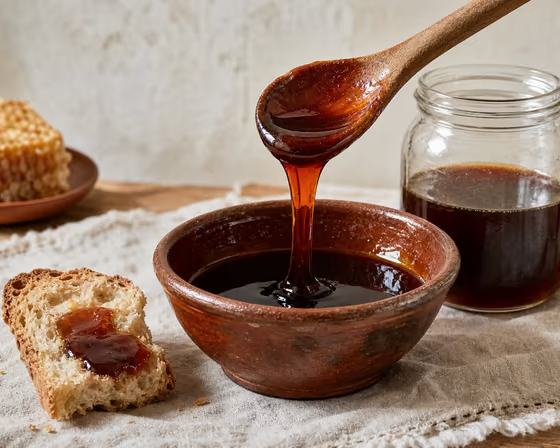
 Portuguese Água-mel Syrup
Water that recovers honey from combs after extraction, filtered and reduced for hours to 70–77° Brix.
The Alentejo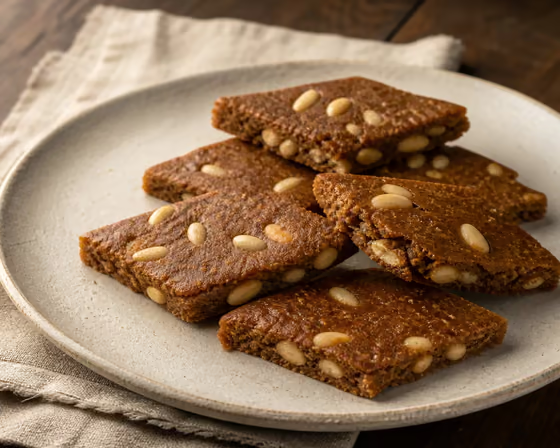 Catalogue image
 Alcomonias
Toasted coarse wheat flour, honey and pine nuts spread and cut into diamonds.
The Alentejo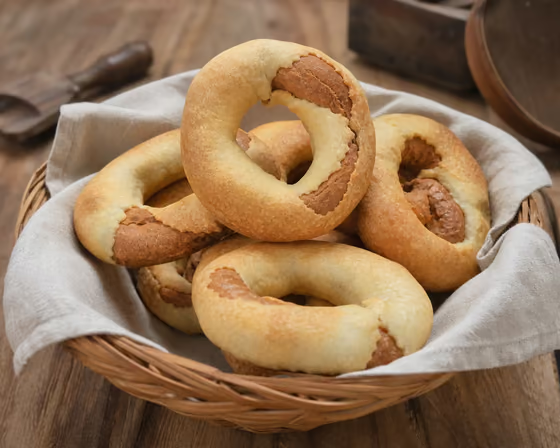 Catalogue image
 Amoreiras-Gare Alcôncoras
A large circular honey-and-olive-oil biscuit born from Amoreiras-Gare's promise-pole tradition.
The Alentejo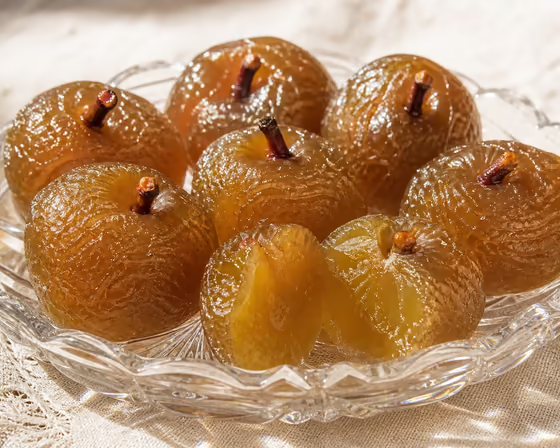 Catalogue image
 Elvas Plums
Protected Rainha Cláudia Verde greengages sold fresh, dried or candied—the sweet form requires at least seven days of slow candying.
The Alentejo