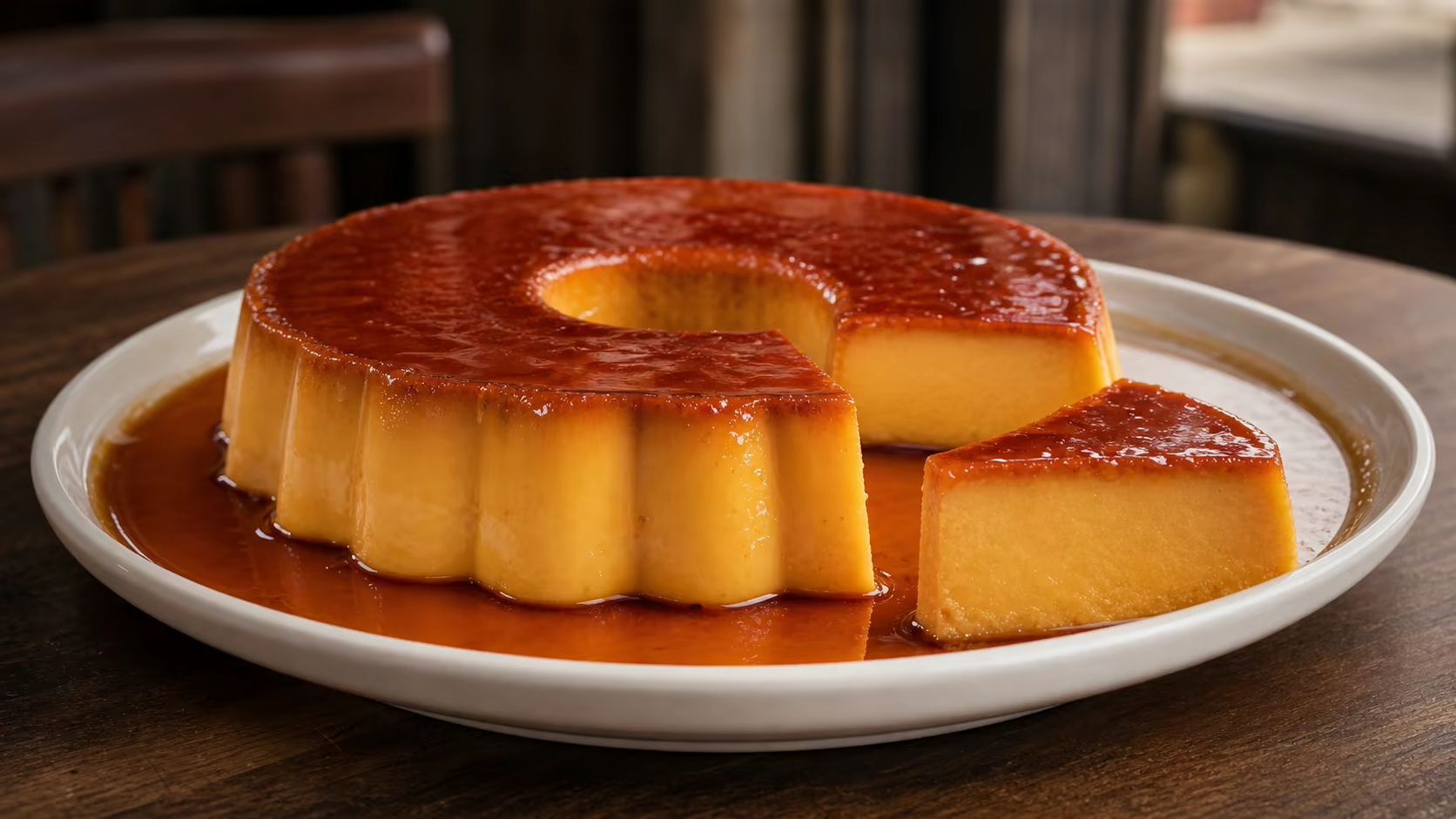
Flan
Also known as: Portuguese flan · Milk pudding · Crème caramel
Milk, eggs and caramel in a smooth, water-bath-baked pudding.
- Origin
- Portuguese milk-and-egg pudding unmoulded with caramel; the exact chronology of this caramel-coated form is unknown.
- Place
- Nationwide
- Region
- Nationwide
- Category
- Puddings & Spoon Sweets
- Season
- Year-round; documented at festivities and celebrations
- Evidence
- Well documented
Portuguese pudim flã is a baked custard of milk, eggs and sugar, cooked in a caramel-lined mould and turned out after cooling. The documented Teleculinária formula uses twelve eggs per litre of milk, a little cornflour and lemon zest, then bakes it at 180°C / 356°F in a water bath.
There is no single national ratio. Food historian Virgílio Nogueiro Gomes distinguishes Portuguese milk puddings from egg or yolk puddings and records neighbouring names including pudim francês, pudim da casa and pudim flan. This entry describes the milk, egg and caramel form without conflating it with more concentrated yolk puddings.
- Milk
- Eggs
- Sugar
- Caramel
- Cornflour in some formulas
- Lemon zest in some formulas
A cool, soft custard tasting of milk and egg under caramelised-sugar syrup. Egg ratio, caramel stage and baking determine firmness and whether bubbles appear.
Portuguese sources record milk puddings, egg or yolk puddings, and pudim francês. Teleculinária’s published formula adds cornflour and lemon; other formulas need not include either. Pudim Abade de Priscos is a distinct speciality enriched with fatty ham and Port, not merely another name for flan.
Gomes documents pudding at traditional Portuguese weddings, festive occasions and family celebrations. A household or restaurant may use pudim da casa, pudim francês or pudim flan for related but not necessarily identical formulas; ask about the composition when that distinction matters.
Gomes suggests serving pudding with a Portuguese fortified wine; no particular wine is fixed as part of the sweet’s identity.
Virgílio Nogueiro Gomes places flans or flaones in Portuguese recipe culture from the 16th century and argues that the word pudim may have appeared only in the 19th century, probably under English terminological influence. He also cites a Pudim Dourado from the Monastery of Santa Clara in Caminha, close to modern French puddings and flans but with a buttered rather than caramel-lined mould.
This establishes an old family of set custards, not a birth date for today’s caramel pudim flã. The first Portuguese recipe for this exact combination and the transition from buttered to caramel-lined moulds are undocumented in the reviewed sources, so that chronology remains unknown. Gomes does, however, document puddings at traditional weddings, festive seasons and family celebrations.
Well documented
Identity supported by institutional, specialist or corroborating sources.
- virgiliogomes.com/index.php/cronicas/551-pudins (opens in a new tab)
- teleculinaria.pt/receitas/pudim-flan-tradicional/ (opens in a new tab)
- tradicional.dgadr.gov.pt/pt/cat/doces-e-produtos-de-pastelaria/417-pudim-do-abade-de-priscos (opens in a new tab)
Pastries from here — Nationwide
 Catalogue image
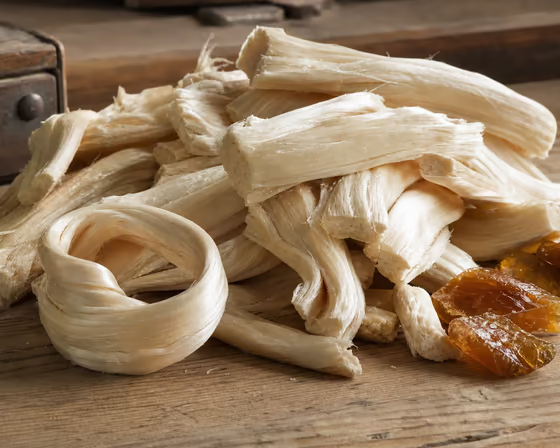
 Alféloa
Sugar or molasses cooked to a hard stage and worked until pale.
Nationwide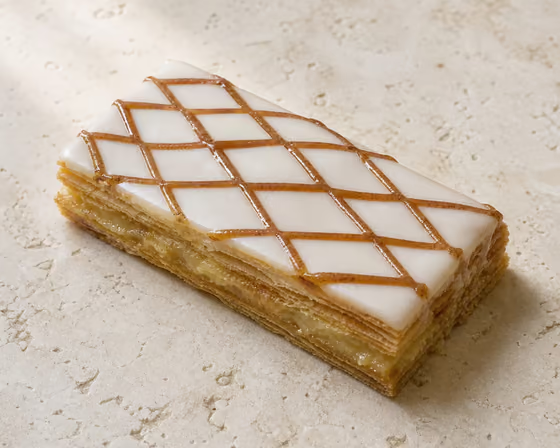 Catalogue image
 Portuguese Gila Allumette
A rectangular puff pastry with cream, gila and cinnamon beneath diamond-patterned royal icing.
Nationwide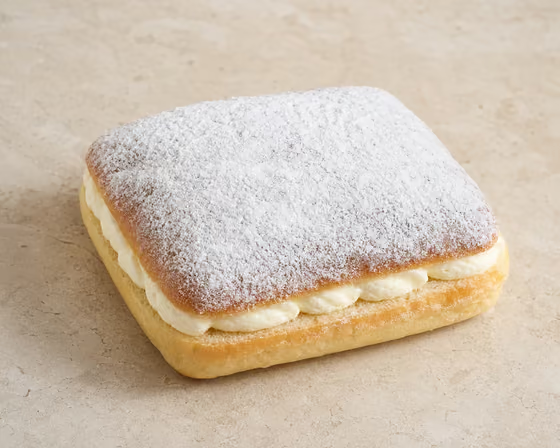 Catalogue image
 Portuguese Brioche Almofada
Light brioche dough, fresh buttercream and icing sugar.
Nationwide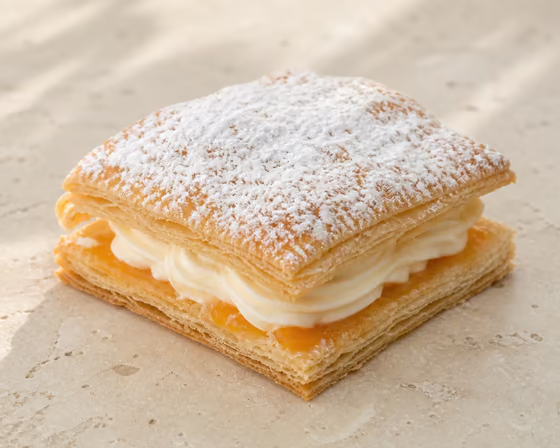 Catalogue image
 Portuguese Puff-Pastry Almofada
Puff pastry with white cream, egg sweet and icing sugar—the laminated Almofada variant.
Nationwide