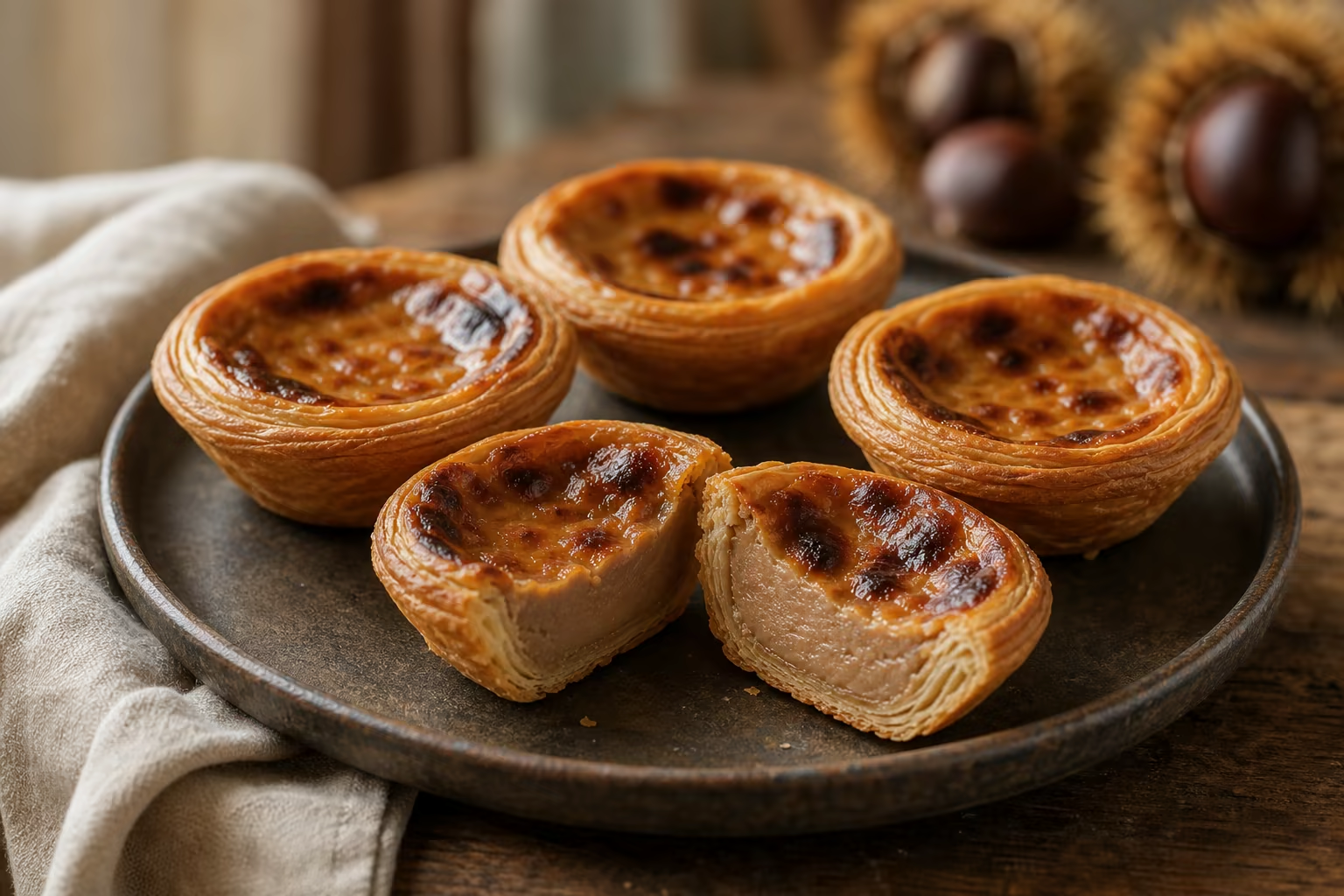
Vinhais Chestnut Custard Tarts
Also known as: Vinhais Chestnut Custard Tart · Chestnut Pastel de Nata
A Trás-os-Montes custard tart whose filling takes on the colour and flavour of Vinhais chestnuts.
- Origin
- Vinhais · Trás-os-Montes
- Place
- Vinhais
- Region
- Trás-os-Montes
- Category
- Custards & Creams
- Season
- Year-round at some pastry shops; especially prominent in autumn and during Rural Castanea
- Evidence
- Well documented
Pastéis de Nata de Castanha de Vinhais preserve the unmistakable shape of the Portuguese custard tart: a small cup of puff pastry rolled into concentric layers and baked until very crisp. The filling, however, is beige to light brown and denser because chestnut purée or flour enriches the custard. A very hot oven leaves dark caramelised spots across the surface.
Chestnut is more than a decorative flavour. It gives body, earthy sweetness and a velvety texture to the egg-and-milk custard, contrasting with the brittle shell. In Vinhais these tarts appear in pastry shops and at Rural Castanea events alongside puddings, tarts and bolo-rei made from the local crop.
- puff pastry
- Vinhais chestnut purée or flour
- milk or cream
- egg yolks and eggs
- sugar
- cinnamon or aniseed, depending on the bakery
Creamy, sweet and toasted, with earthy chestnut flavour and intensely crisp puff pastry.
Some bakeries mix chestnut purée directly into the custard; others use chestnut flour in the pastry or add a layer of chestnut cream beneath the custard. Colour ranges from beige to caramel brown.
At pastry shops in Vinhais and other Trás-os-Montes businesses specialising in chestnuts, with greatest visibility during Rural Castanea and around Saint Martin's Day.
Espresso, black tea or jeropiga around Saint Martin's Day.
The tart belongs to the modern expansion of chestnut confectionery in Vinhais, a municipality that promotes the nut as one of its defining local products. The municipality explicitly includes Pastel de Nata de Castanha in its gastronomy list, while the 2024 regional Gastronomic Weekends guide identifies it as a Vinhais sweet. A municipal bulletin documents its presence by at least 2015 in the context of Rural Castanea and the Chestnut Confectionery Competition. It is therefore a modern regional speciality rather than an ancient convent recipe.
Well documented
Identity supported by institutional, specialist or corroborating sources.
- cm-vinhais.pt/pages/158 (opens in a new tab)
- cm-vinhais.pt/uploads/document/file/774/Boletim_Municipal_Viver_Vinhais_Edi__o_n.__1_-_2015.pdf (opens in a new tab)
- cm-valongo.pt/cmvalongo/uploads/writer_file/document/5708/brochura___fdsg_24.pdf (opens in a new tab)
- eu-cap-network.ec.europa.eu/projects/practice-abstracts/consume-chestnut-all-year-potential-processed-products_en (opens in a new tab)
Pastries from here — Trás-os-Montes
 Catalogue image
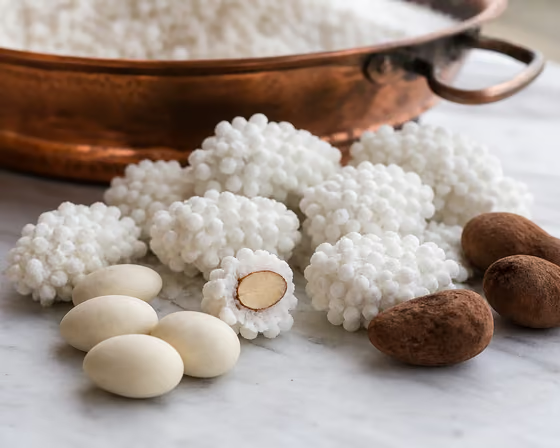
 Moncorvo Sugar-Coated Almonds
The queen of Trás-os-Montes sweets, spun from sugar and patience in copper.
Trás-os-Montes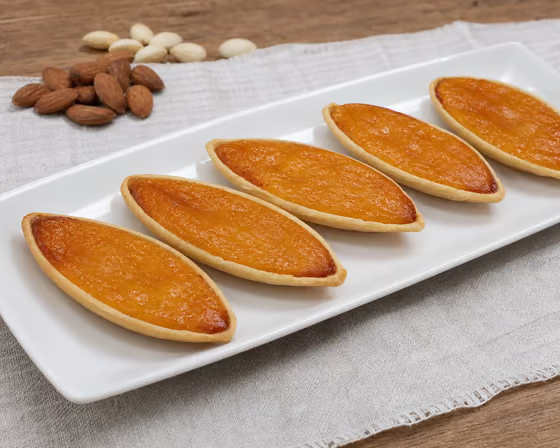 Catalogue image
 Alfândega da Fé Almond Boats
Pale pastry boats with a glossy filling of yolk and Trás-os-Montes almonds.
Trás-os-Montes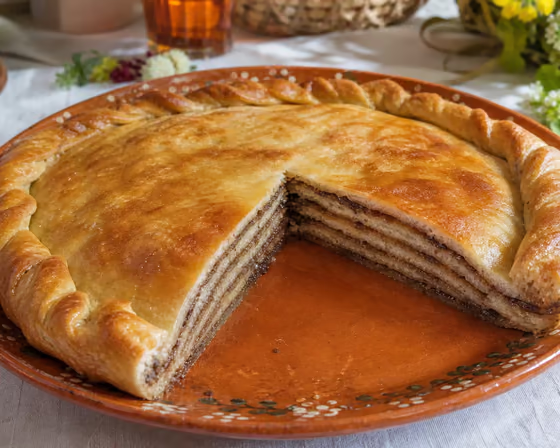 Catalogue image
 Mirandese Sweet Bola
The Easter bola that unravels in layers of sugar and cinnamon.
Trás-os-Montes Catalogue image
 Douro Port-Soaked Cake
A rich egg-and-butter cake soaked while hot in a generous Port-wine syrup.
Trás-os-Montes