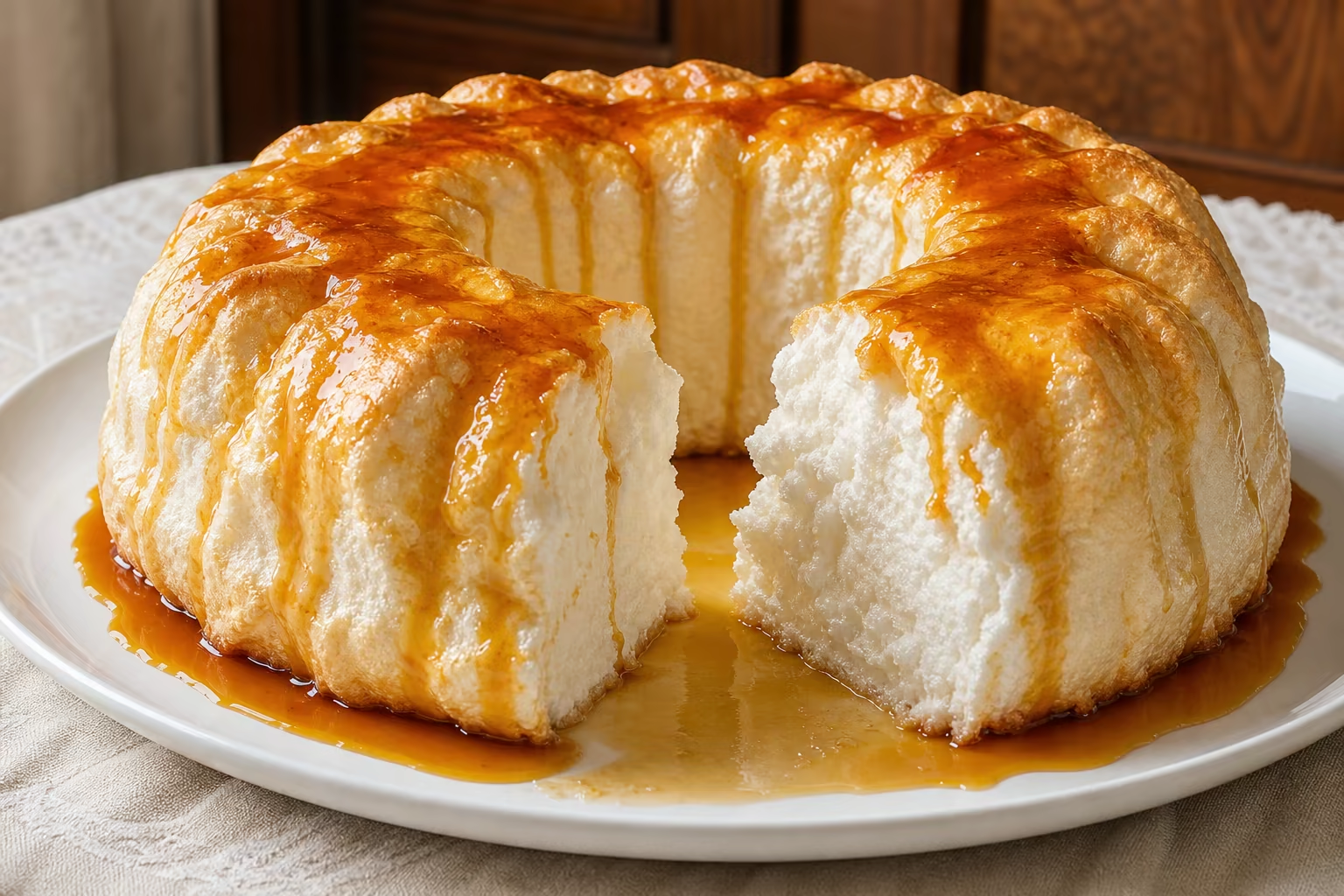
Molotov Pudding
Also known as: Molotof · Egg-white pudding · Pudim Malakoff
Egg whites and sugar baked into a light pudding and served with caramel.
- Origin
- Portuguese whipped-egg-white pudding; its exact date and creator are unknown, and the shift from Malakoff to Molotof is a probable linguistic explanation rather than a proven chronology.
- Place
- Nationwide
- Region
- Nationwide
- Category
- Puddings & Spoon Sweets
- Season
- Year-round
- Evidence
- Well documented
Molotof is a Portuguese pudding made principally from whipped egg whites and sugar. In the oven the meringue expands and sets enough to be turned out, producing something much lighter and more sponge-like than a milk or yolk pudding.
Formulas vary. The Teleculinária recipe documented in this catalogue folds liquid caramel into the whites, bakes directly at 180°C / 356°F for 16 minutes, and finishes with a cream made from all twelve yolks plus toasted sliced almonds. It does not use a water bath, although other versions may.
- Egg whites
- Sugar
- Caramel
- Egg yolks in some toppings
- Almonds in some toppings
Sweet and very light, with the structure of baked moist meringue and a caramel contrast. Egg-yolk cream and almonds make some versions richer.
It may be served with caramel alone or topped with yolk cream and almonds. Recipes also differ over water-bath baking, oven time and cooling, so those parameters should not be presented as one national rule.
It is documented in contemporary Portuguese recipe collections as a dessert for family and guests. The reviewed sources establish neither a regional concentration nor permanent availability in pastry shops across the country.
The reference recipe serves it cold with yolk cream and almonds; the reviewed sources establish no canonical drink.
A Ciberdúvidas answer published in 2007 presents pudim Malakof as the earlier name and connects it to the Malakoff fortress captured during the Crimean War in 1855. The same source says that during the Second World War Malakof probably became Molotov through confusion with the name of Soviet minister Vyacheslav Molotov.
This is an etymological proposal, not documentary proof of the first recipe, the first use of either name, or the dessert’s creation date. The exact chronology remains unknown. Ciberdúvidas also records the Portuguese practice of using whites left from pão de ló, but it does not establish a specific convent origin, so this entry makes no such attribution.
Well documented
Identity supported by institutional, specialist or corroborating sources.
- ciberduvidas.iscte-iul.pt/consultorio/perguntas/a-origem-do-nome-pudim-molotov/22227 (opens in a new tab)
- teleculinaria.pt/receitas/doces-e-sobremesas/molotof/ (opens in a new tab)
Pastries from here — Nationwide
 Catalogue image
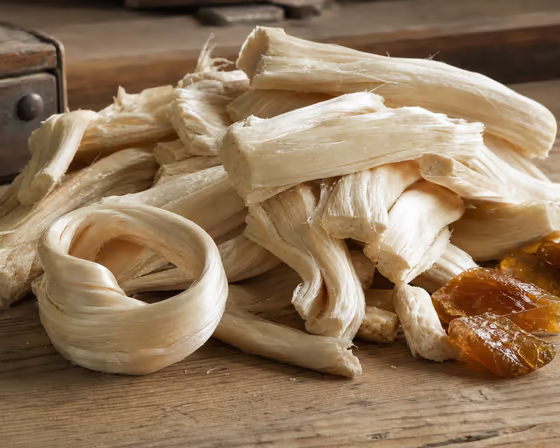
 Alféloa
Sugar or molasses cooked to a hard stage and worked until pale.
Nationwide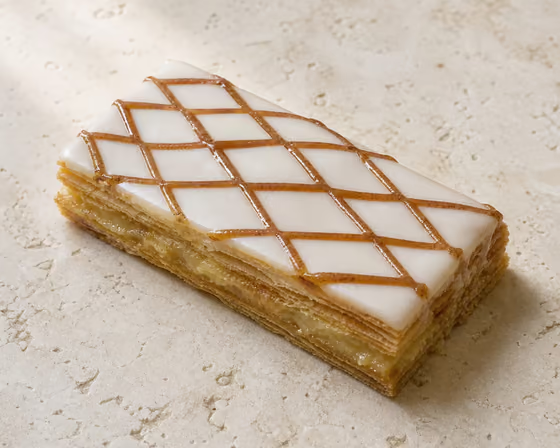 Catalogue image
 Portuguese Gila Allumette
A rectangular puff pastry with cream, gila and cinnamon beneath diamond-patterned royal icing.
Nationwide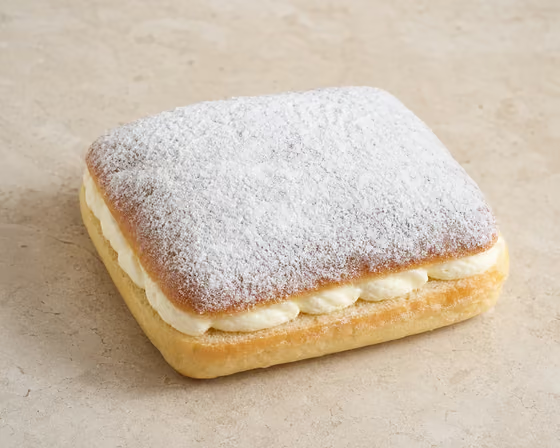 Catalogue image
 Portuguese Brioche Almofada
Light brioche dough, fresh buttercream and icing sugar.
Nationwide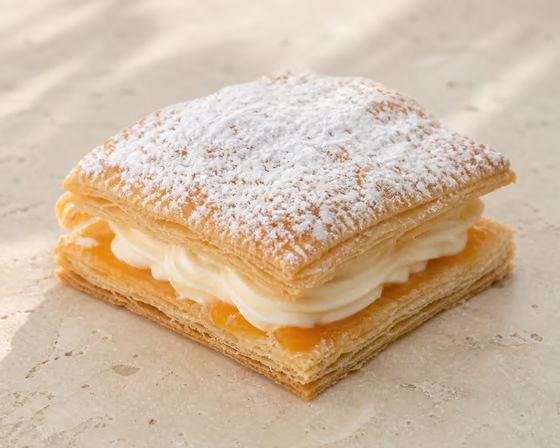 Catalogue image
 Portuguese Puff-Pastry Almofada
Puff pastry with white cream, egg sweet and icing sugar—the laminated Almofada variant.
Nationwide