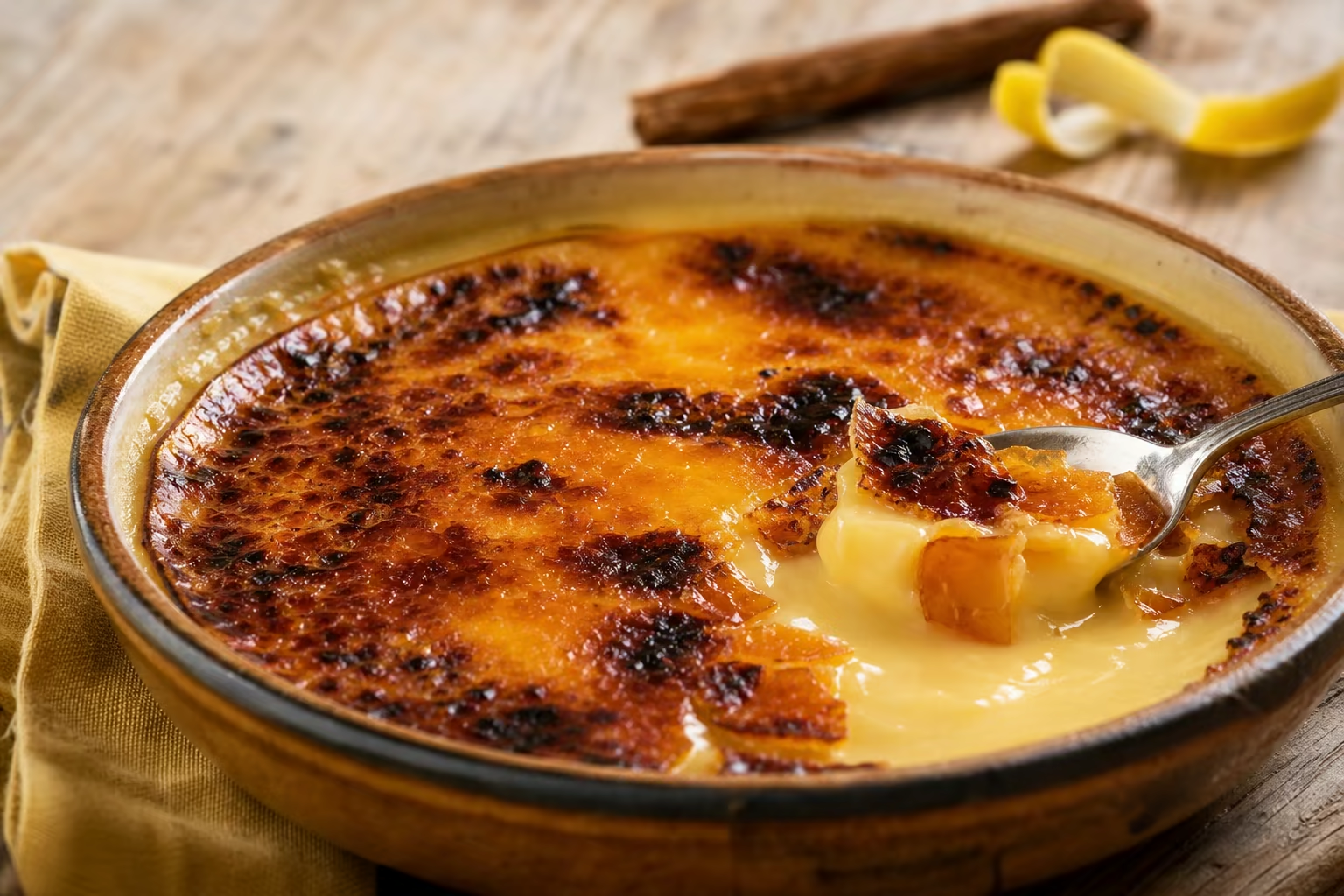
Portuguese Crème Brûlée
Also known as: Burnt leite-creme · Portuguese burnt custard
A stovetop custard finished with a crackling lid of burnt sugar.
- Origin
- A stovetop custard with convent roots, beloved across Portugal since at least the 19th century.
- Place
- Nationwide
- Region
- Nationwide
- Category
- Custards & Creams
- Season
- Year-round
- Evidence
- Well documented
Leite-creme is Portugal's most democratic spoon dessert: you find it at the neighbourhood tasca, on the wedding menu, and in your grandmother's kitchen on a Sunday. Milk simmered with lemon peel and a cinnamon stick, bound with egg yolks and a little starch, then cooked on the stove until it coats the back of a spoon.
What sets it apart is not richness but lightness. It is a soft, pale-yellow custard scented with citrus and cinnamon, served cold or just warm in a deep bowl or shallow dish.
The signature is the finish: a dusting of sugar burnt with a glowing iron to form a thin caramel crust. You crack it with your spoon, the hot snap meeting the silky cream beneath.
- Milk
- Egg yolks
- Sugar
- Lemon peel
- Cinnamon stick
- Cornstarch (or flour)
- Extra sugar for the crust
Smooth and velvety, just sweet enough without cloying, with lemon's brightness and cinnamon's warmth balancing the custard. The burnt crust adds a toasted bitterness and a fragile crack against the softness underneath.
Some serve it unburnt, simply dusted with cinnamon. Some houses use only yolks and starch, others add a little flour for a firmer, sliceable custard. There are versions scented with vanilla instead of cinnamon, and modern takes served in verrines or as a tart.
It is on the menu of nearly every tasca, pastry shop and traditional restaurant from north to south. The best is made at home or in kitchens that still use the red-hot iron rather than a blowtorch, giving the crust that toasted-sugar aroma.
Calls for a sweet fortified wine such as Moscatel de Setúbal or Madeira, or simply a strong espresso to cut the sweetness. At home, it goes well with plain dry biscuits.
Like so many yolk-rich Portuguese sweets, leite-creme is tied to the tradition of convent kitchens, where yolks piled up after the whites were used to starch habits and clarify wine. It belongs, though, to a wider Iberian family of stovetop milk custards — a sibling of Spain's crema catalana and a cousin of the French crème brûlée.
The decisive difference is method: unlike crème brûlée, which bakes in a water bath, leite-creme is cooked entirely in the pan and is therefore lighter. Its finish with a red-hot branding iron predates the modern kitchen blowtorch by centuries.
Well documented
Identity supported by institutional, specialist or corroborating sources.
- tradicional.dgadr.gov.pt/pt/cat/doces-e-produtos-de-pastelaria/131-creme-queimado (opens in a new tab)
- tasteoflisboa.com/blog/the-world-of-portuguese-conventual-sweets/ (opens in a new tab)
- tastingtable.com/1150922/creme-brulee-vs-crema-catalana-whats-the-difference/ (opens in a new tab)
- en.wikipedia.org/wiki/Crema_catalana (opens in a new tab)
- theportugalnews.com/news/2024-04-13/from-convents-to-pastry-shops-your-guide-to-portuguese-sweets/87896 (opens in a new tab)
Pastries from here — Nationwide
 Catalogue image
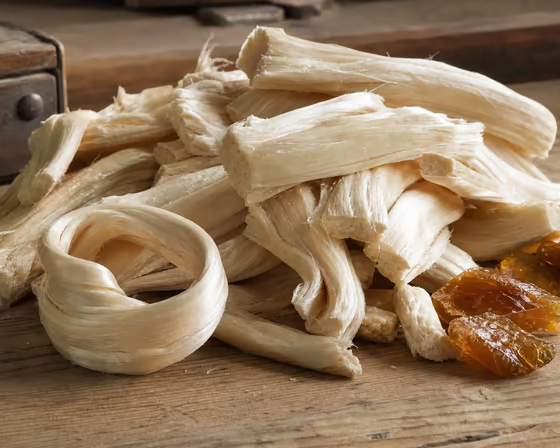
 Alféloa
Sugar or molasses cooked to a hard stage and worked until pale.
Nationwide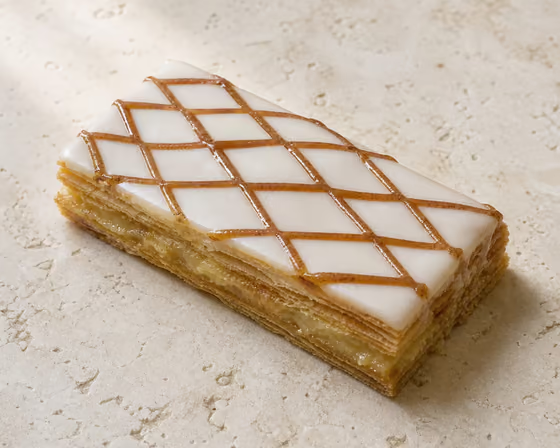 Catalogue image
 Portuguese Gila Allumette
A rectangular puff pastry with cream, gila and cinnamon beneath diamond-patterned royal icing.
Nationwide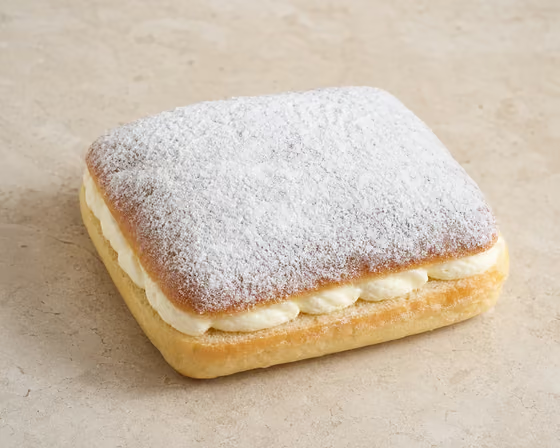 Catalogue image
 Portuguese Brioche Almofada
Light brioche dough, fresh buttercream and icing sugar.
Nationwide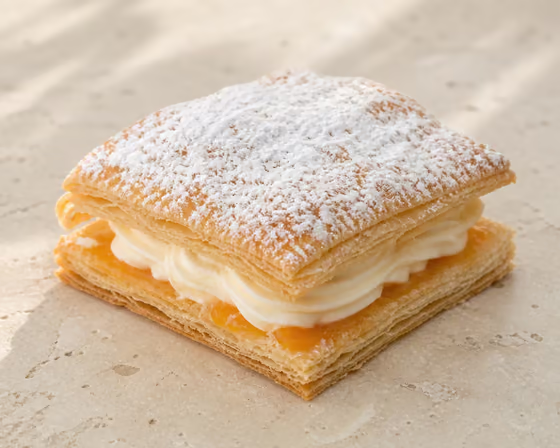 Catalogue image
 Portuguese Puff-Pastry Almofada
Puff pastry with white cream, egg sweet and icing sugar—the laminated Almofada variant.
Nationwide