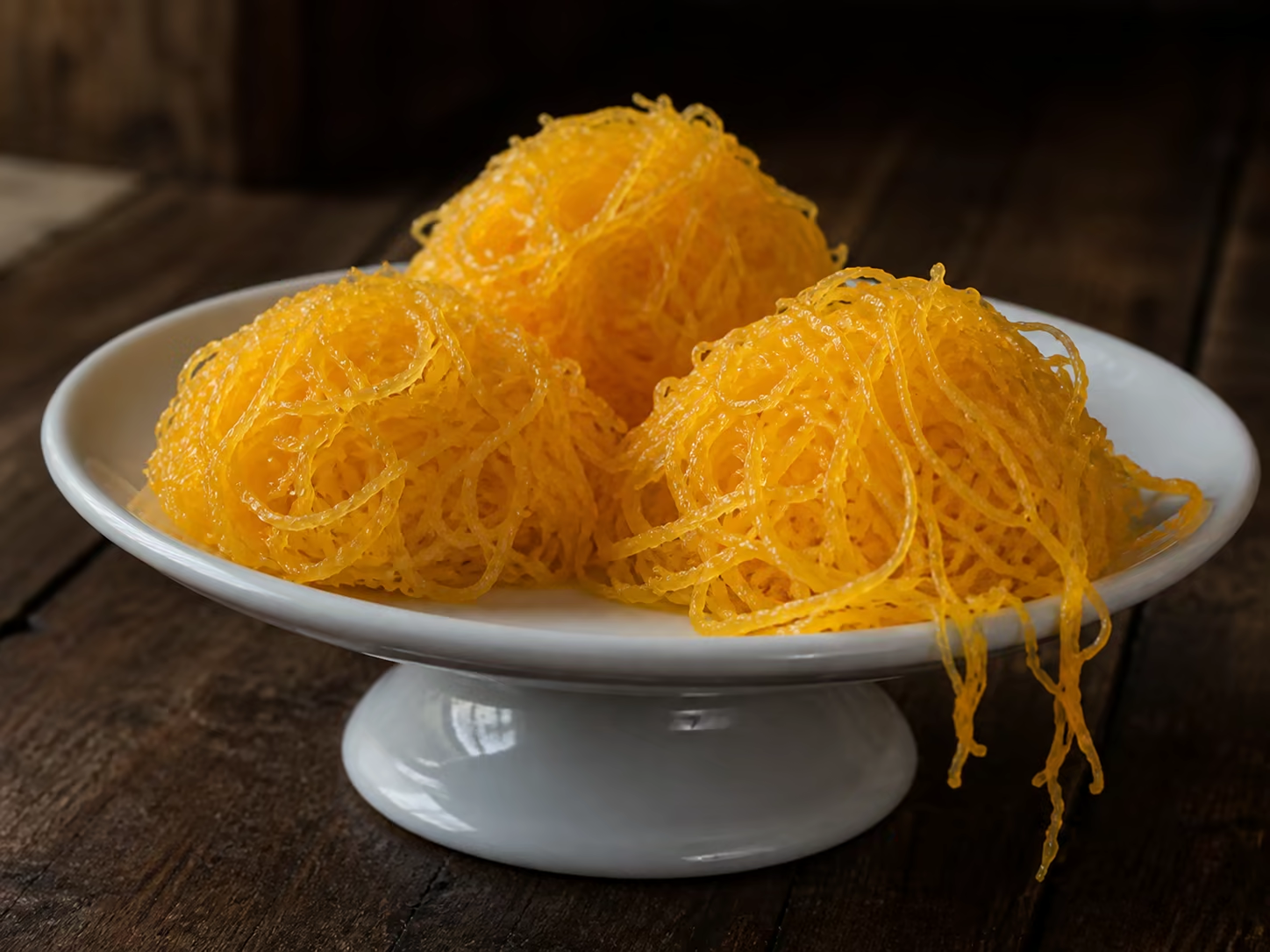
Egg Threads
Also known as: Egg threads · Golden threads · Angel's hair (colloquial)
Hair-thin strands of golden yolk, simmered in syrup into edible silk.
- Origin
- Portuguese convent confectionery, 15th-16th centuries
- Place
- Nationwide
- Region
- Nationwide
- Category
- Egg-Yolk Sweets
- Season
- Year-round
- Evidence
- Well documented
Fios de ovos are exactly what the name promises: hair-thin threads of egg yolk, drizzled through a multi-spouted funnel over boiling sugar syrup, where they set in seconds into a glossy, deep-gold tangle. They aren't really a spoon dessert — they're an adornment, a texture, a small luxury draped over cakes, puddings, leite-creme, or served in silky little nests.
They are one of the pillars of Portugal's convent confectionery: pure yolk and sugar, no flour, no leavening, no tricks. All the magic lives in the maker's hand — in the rhythm of the arm tracing continuous threads across the syrup and the skill of lifting them out before they harden.
From the north to the south of the country they turn up on feast tables, on wedding cakes, and in Christmas spreads, always lending that burnished glow that turns any dish into a small ceremony.
- Egg yolks
- Sugar
- Water
Intensely sweet and deeply eggy, with the unmistakable richness of pure yolk. Texture is the whole point: each thread is tender and slightly springy, glazed in a thin syrup that gives the faintest snap before dissolving in the mouth like sugared silk.
More an ingredient than a dessert in its own right, fios de ovos are a finishing component: they blanket pão de ló, accompany ovos-moles, crown puddings and celebration cakes, and pile into nests across serving platters. They are also the basis of regional sweets such as Abrantes' Palha de Abrantes, in which the threads are wrapped around a yolk-and-almond paste and lightly toasted. At weddings and Christmas they appear loose and generous; in pastry shops they dress and enrich almost anything made with yolk.
Look for them in good convent-style confeitarias and pastry shops across the country, with regions of strong egg-sweet tradition such as Aveiro and Abrantes standing out. The mark of quality is the thread itself: fine, continuous, deeply golden, never rubbery or dry. The best are made by hand, drawn over the syrup with the traditional multi-spouted funnel.
Because they are so sweet, they call for contrast: a strong espresso, an unsweetened tea, or a glass of Port or Moscatel. Draped over a slice of pão de ló or alongside leite-creme, they find their perfect balance.
Fios de ovos were born in Portugal's convents and monasteries, traditionally attributed to the convent confectionery of the late medieval and early modern period (15th-16th centuries). The most widely accepted reason for the flood of yolk-based sweets is purely practical: religious communities used large quantities of egg whites to starch linen and habits and to clarify wines, leaving mountains of yolks that had to be put to use. With sugar arriving in abundance during the Age of Discovery, an entire family of egg sweets was born.
From the 16th century onward, through Portuguese trade and presence in Asia, the technique spread around the world and fios de ovos left a recognisable lineage: foi thong in Thailand, keiran sōmen in Japan, huevo hilado in Spain, and jala mas in Malaysia. At the Siamese court of Ayutthaya, the introduction of these yolk sweets is traditionally linked to Maria Guyomar de Pinha (1664-1728), a Luso-Asian figure at the court of King Narai. Few Portuguese sweets have travelled so far while staying so faithful to themselves.
Well documented
Identity supported by institutional, specialist or corroborating sources.
- en.wikipedia.org/wiki/Fios_de_ovos (opens in a new tab)
- en.wikipedia.org/wiki/Maria_Guyomar_de_Pinha (opens in a new tab)
- saborbrasil.it/en/fios-de-ovos-egg-yolks-threads/ (opens in a new tab)
- tradicional.dgadr.gov.pt/pt/cat/doces-e-produtos-de-pastelaria/263-palha-de-abrantes (opens in a new tab)
- tasteoflisboa.com/blog/the-world-of-portuguese-conventual-sweets/ (opens in a new tab)
Pastries from here — Nationwide
 Catalogue image
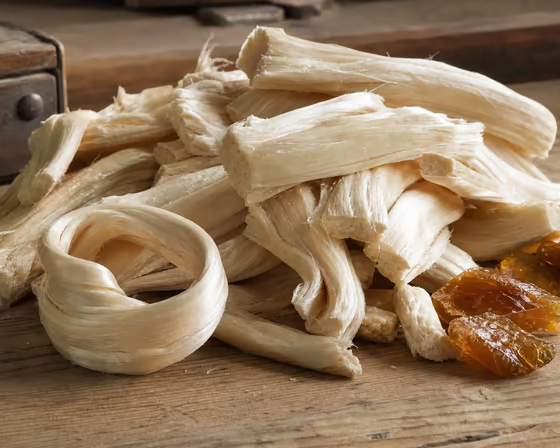
 Alféloa
Sugar or molasses cooked to a hard stage and worked until pale.
Nationwide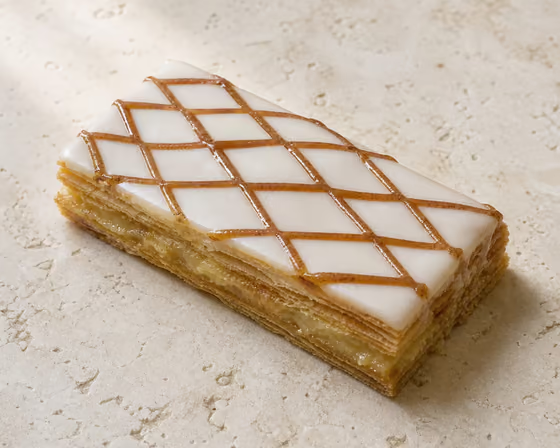 Catalogue image
 Portuguese Gila Allumette
A rectangular puff pastry with cream, gila and cinnamon beneath diamond-patterned royal icing.
Nationwide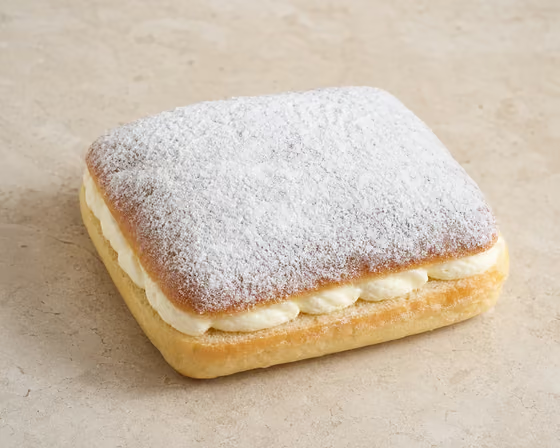 Catalogue image
 Portuguese Brioche Almofada
Light brioche dough, fresh buttercream and icing sugar.
Nationwide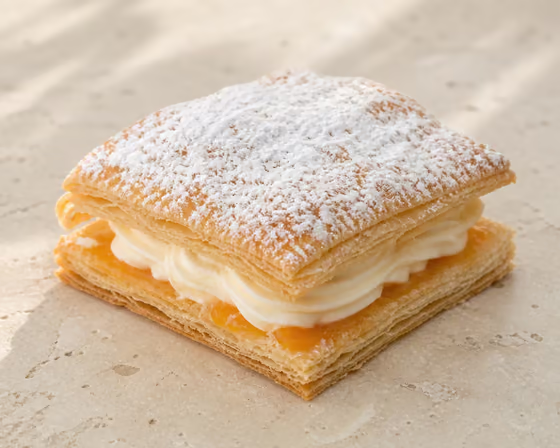 Catalogue image
 Portuguese Puff-Pastry Almofada
Puff pastry with white cream, egg sweet and icing sugar—the laminated Almofada variant.
Nationwide