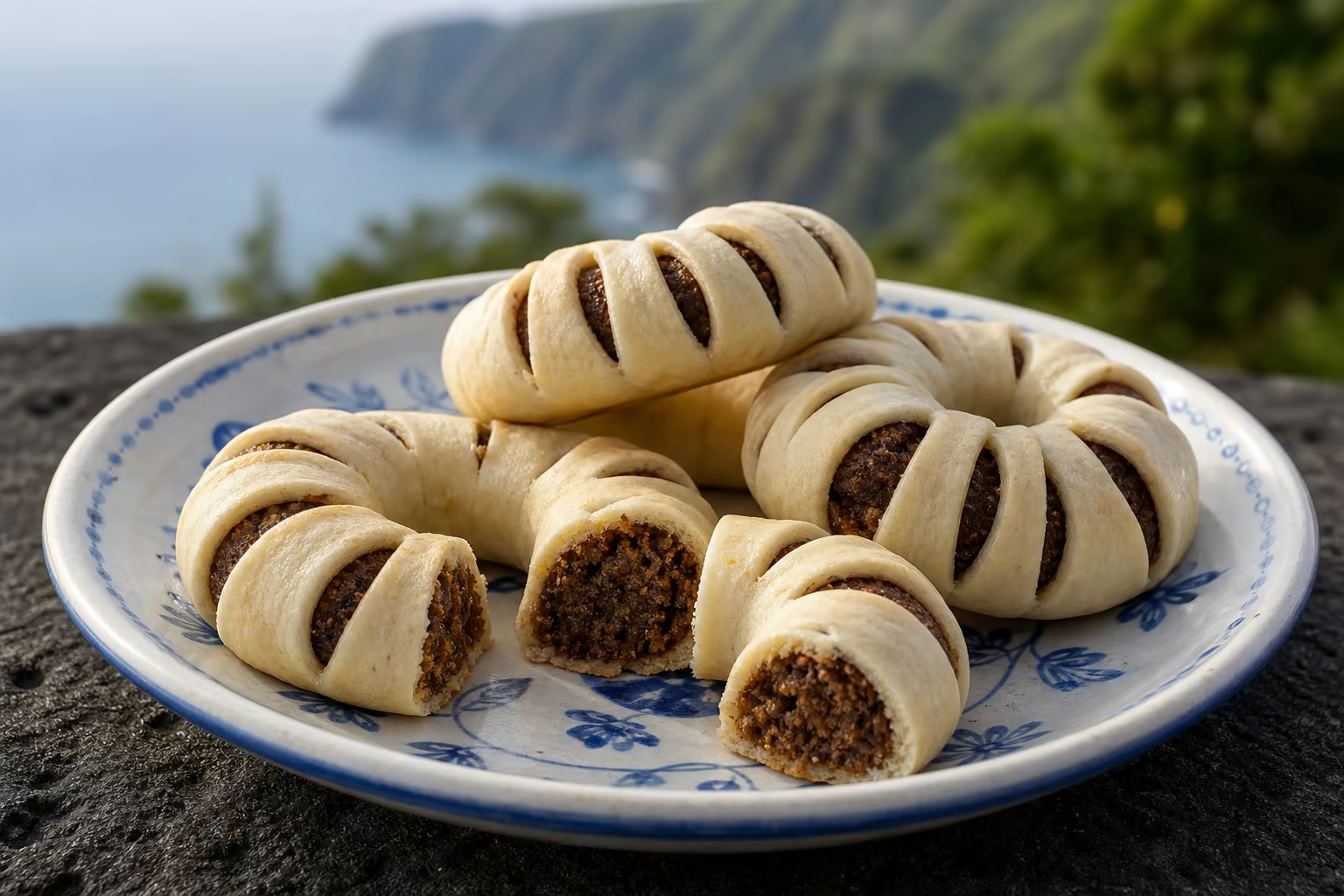
São Jorge Spice Pastries
Also known as: Espécies · Bichos doces ("sweet bugs")
The fragrant horseshoe that holds the spices of the Age of Discovery.
- Origin
- 15th century · Settlement of São Jorge Island, Azores
- Place
- São Jorge Island
- Region
- The Azores
- Category
- Laminated & Fine Pastries
- Season
- Year-round, especially at village festivals and family celebrations
- Dough family
- Short or tender pastry A flour-and-fat wrapper mixed directly without puff-pastry folds.
- Evidence
- Well documented
Espécies de São Jorge are among the most singular and ancient pastries in the Azorean confectionery repertoire: small strips of tender dough rolled into the shape of a horseshoe, ring or letter, enclosing a dark and intensely aromatic filling. The outer pastry, pale and barely sweet, is scored crosswise to reveal the brownish filling beneath — a succession of small windows that give the piece its unmistakable appearance.
The filling, prepared the day before, blends sugar cooked to a thread with toasted, grated bread and a handful of spices — cinnamon, ground fennel, allspice and lemon zest. The contrast between the dry, crisp shell and the dense, fragrant interior is the soul of the sweet.
They are served at room temperature, at popular festivals and family celebrations across the island, and pair well with a coffee or an afternoon tea. They are a sweet to chew slowly, letting the spices unfold in the mouth.
- Wheat flour
- Sugar
- Toasted breadcrumbs
- Butter
- Ground fennel
- Cinnamon
- Allspice
- Lemon zest
- Eggs
- Water
The crust is dry, crisp and barely sweet, set against a dense, sweet, deeply spiced filling in which fennel and cinnamon lead, lifted by allspice and a citric note of lemon.
They are shaped into horseshoes, rings, crescents or letters according to the maker's hand; spice ratios and the use of nutmeg in the dough vary from bakery to bakery and family to family.
They are found year-round in the bakeries and pastry shops of São Jorge Island, and in packaged versions bearing the "Azores Certified by Nature" seal in groceries and supermarkets across the archipelago.
They call for a strong coffee or a black tea; on the island they sit naturally beside a glass of local vinho de cheiro or a slice of the celebrated São Jorge cheese.
The espécies go back to the earliest centuries of São Jorge's settlement, which began in the mid-fifteenth century, and were formerly known as bichos doces — sweet bugs — because of the scored, two-toned piece's resemblance to a caterpillar. The recipe passed from generation to generation by word of mouth, and the name most probably derives from the spices (especiarias / espécies) that define it.
The taste for spices connects to the Azores' position on the Discoveries-era trade routes, when the archipelago was an obligatory stop for ships returning from Asia, Africa and the New World, bringing cinnamon, pepper and other then-exotic aromas. Originally made with lard, the espécies are today made with butter; some authors also point to Alentejo and Flemish influences in their origin, a legacy of the island's successive waves of settlers.
Well documented
Identity supported by institutional, specialist or corroborating sources.
- tradicional.dgadr.gov.pt/pt/cat/doces-e-produtos-de-pastelaria/698-especies-de-s-jorge (opens in a new tab)
- byacores.com/especies-de-sao-jorge/ (opens in a new tab)
- byacores.com/en/especies-of-sao-jorge/ (opens in a new tab)
- artesanato.azores.gov.pt/catalogodigital/pt/especies-de-sao-jorge-2 (opens in a new tab)
Pastries from here — The Azores
 Catalogue image
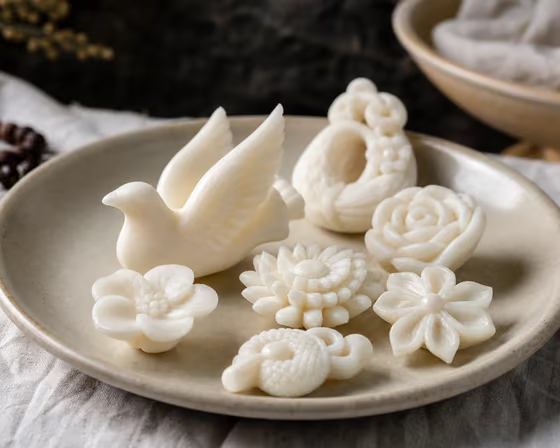
 Alfenim Pulled Sugar
Hand-pulled sugar shaped into animals, flowers, hearts and votive figures.
The Azores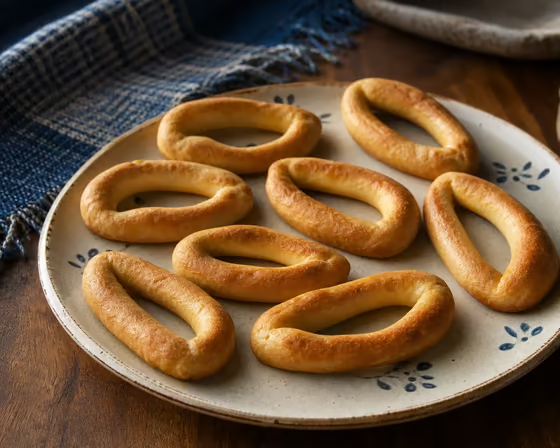 Catalogue image
 Brandy Biscuits
Crisp Santa Maria rings kneaded with eggs, rich fats and a glass of brandy.
The Azores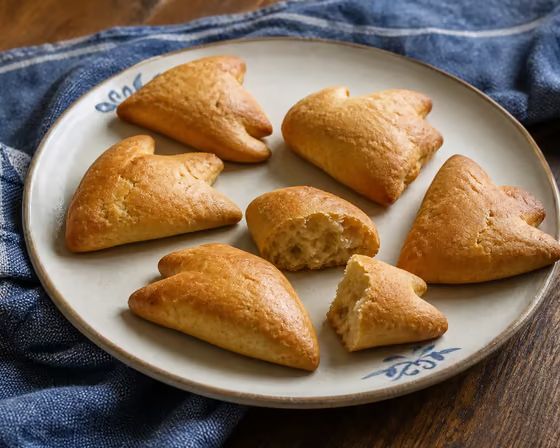 Catalogue image
 Ear-Shaped Biscuits
Santa Maria's triangular enriched biscuits, clipped at the tips like little ears.
The Azores Catalogue image
 Santa Maria Encanelado Biscuits
Santa Maria's yeasted rings under a thick white sugar glaze.
The Azores