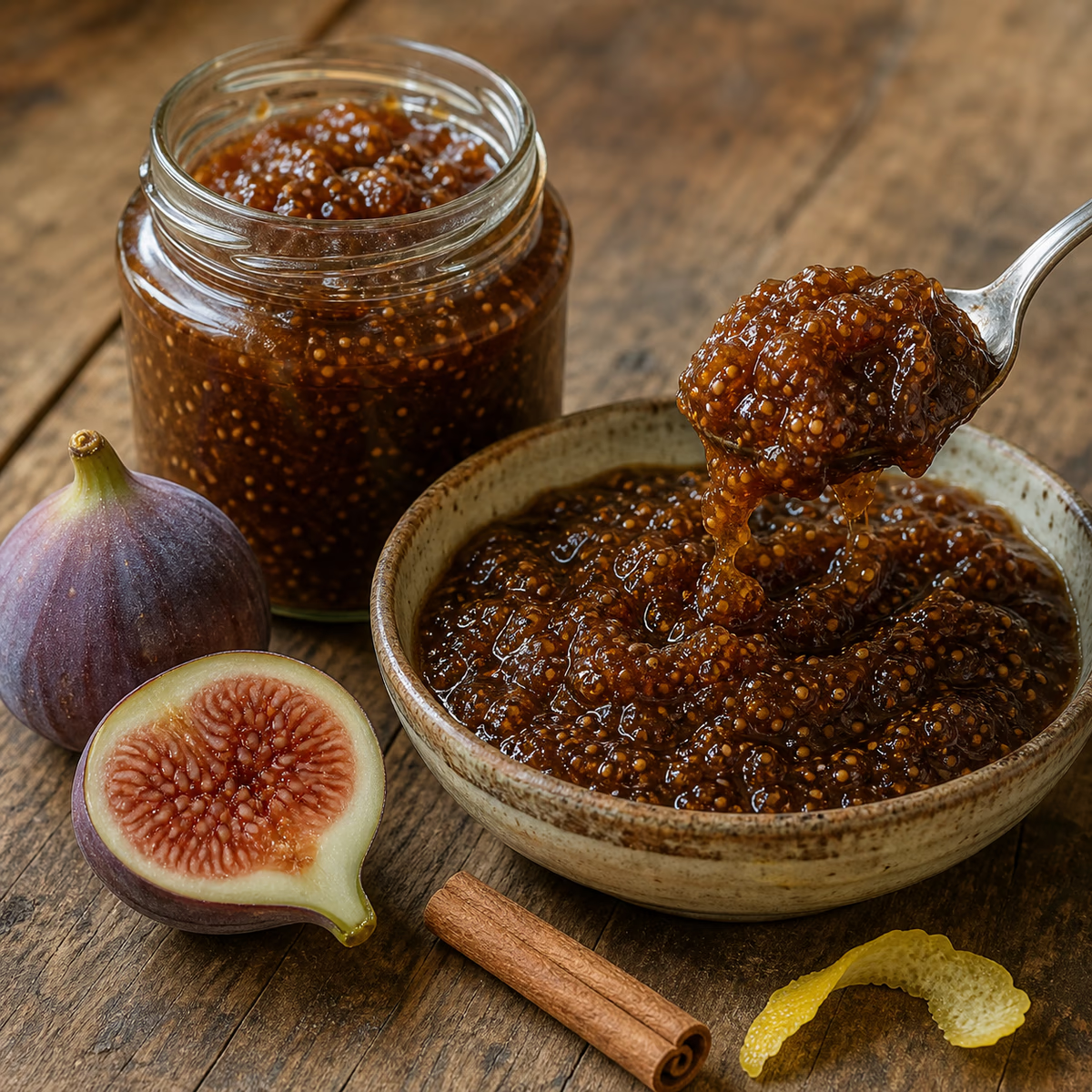
Portuguese Fig Preserve
Also known as: Portuguese Fig Preserve · Portuguese Fig Jam
Ripe figs cooked with sugar, lemon and cinnamon into a dark, seeded, aromatic preserve.
- Origin
- Portugal · especially associated with fig-growing regions
- Place
- Portugal · especially associated with the Algarve
- Region
- Nationwide
- Category
- Fruit & Honey Sweets
- Season
- Year-round · mainly prepared in late summer
- Evidence
- Well documented
Doce de Figo is a thick Portuguese preserve made from ripe figs, sugar and an acidic ingredient, usually lemon. The fruit's many seeds remain visible and give it a distinctive texture; its flesh concentrates to a colour ranging from amber to purple-brown.
It should not be confused with fig cheese, morgado de figo, stuffed figs or fig stars: all use the same fruit, but they are dried pastes, cakes or filled figs. Fig preserve retains moisture and is served by the spoon.
- Ripe figs
- Sugar
- Lemon
- Optional cinnamon
Deeply fruity and honeyed, gently tart, with crunchy seeds and a thick yet spreadable texture.
Colour changes with the fig variety. Some households blend the preserve; others retain quarters or pieces of fruit. Cinnamon, aniseed, brandy or nuts may flavour small-batch versions.
At markets, fairs, regional-product shops and family breakfasts, especially in the Algarve and other fig-growing areas.
Bread, goat's or sheep's cheese, requeijão, plain yoghurt and tea.
The fig tree is deeply rooted in Portugal's food landscape and is especially prominent in the Algarve. Portugal's official tourism promotion identifies figs among the fruits essential to traditional Algarve sweets and notes their abundance in the region. Turning ripe fruit into preserve extended the harvest beyond summer.
Very simple fig-and-sugar recipes now coexist with versions flavoured with lemon, cinnamon or, more rarely, cardamom. It remains both a household and commercial preserve, sold in markets and regional-product shops.
Well documented
Identity supported by institutional, specialist or corroborating sources.
- feed.continente.pt/receitas/doce-de-figo (opens in a new tab)
- visitportugal.com/pt-pt/destinos/algarve/73815 (opens in a new tab)
Pastries from here — Nationwide
 Catalogue image
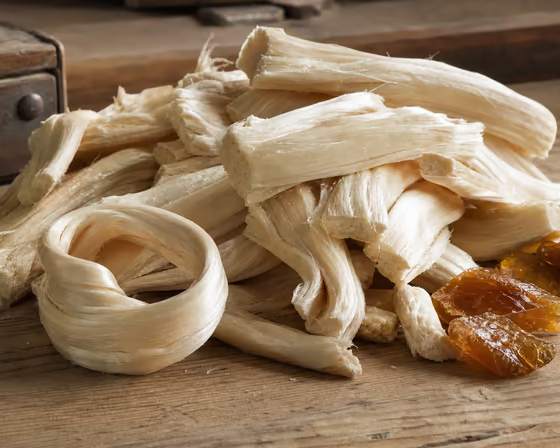
 Alféloa
Sugar or molasses cooked to a hard stage and worked until pale.
Nationwide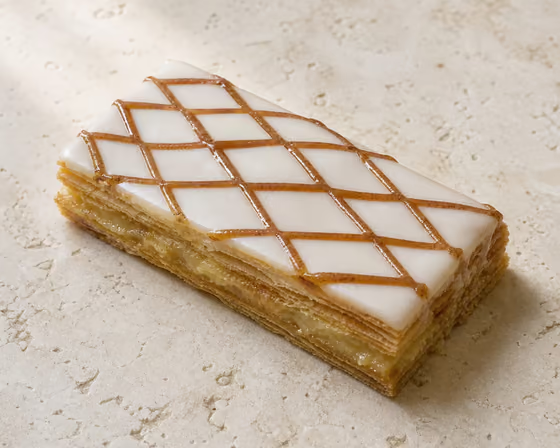 Catalogue image
 Portuguese Gila Allumette
A rectangular puff pastry with cream, gila and cinnamon beneath diamond-patterned royal icing.
Nationwide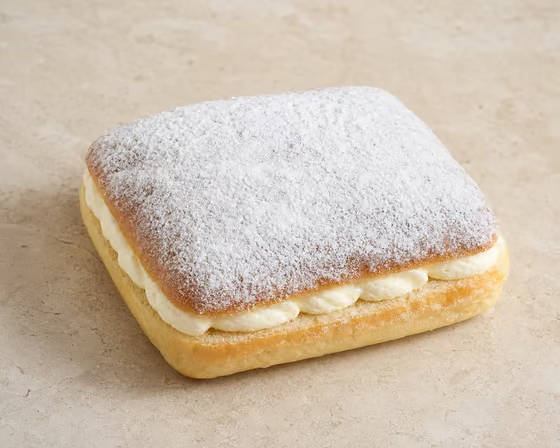 Catalogue image
 Portuguese Brioche Almofada
Light brioche dough, fresh buttercream and icing sugar.
Nationwide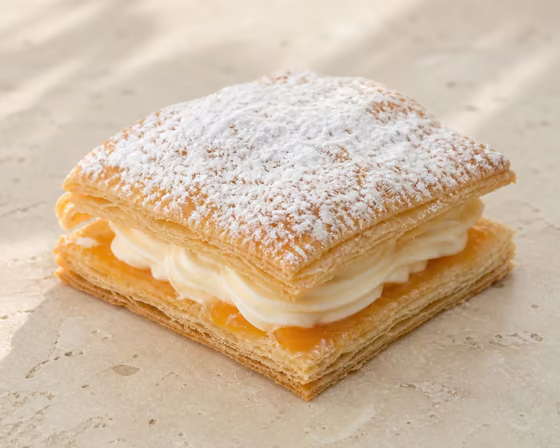 Catalogue image
 Portuguese Puff-Pastry Almofada
Puff pastry with white cream, egg sweet and icing sugar—the laminated Almofada variant.
Nationwide