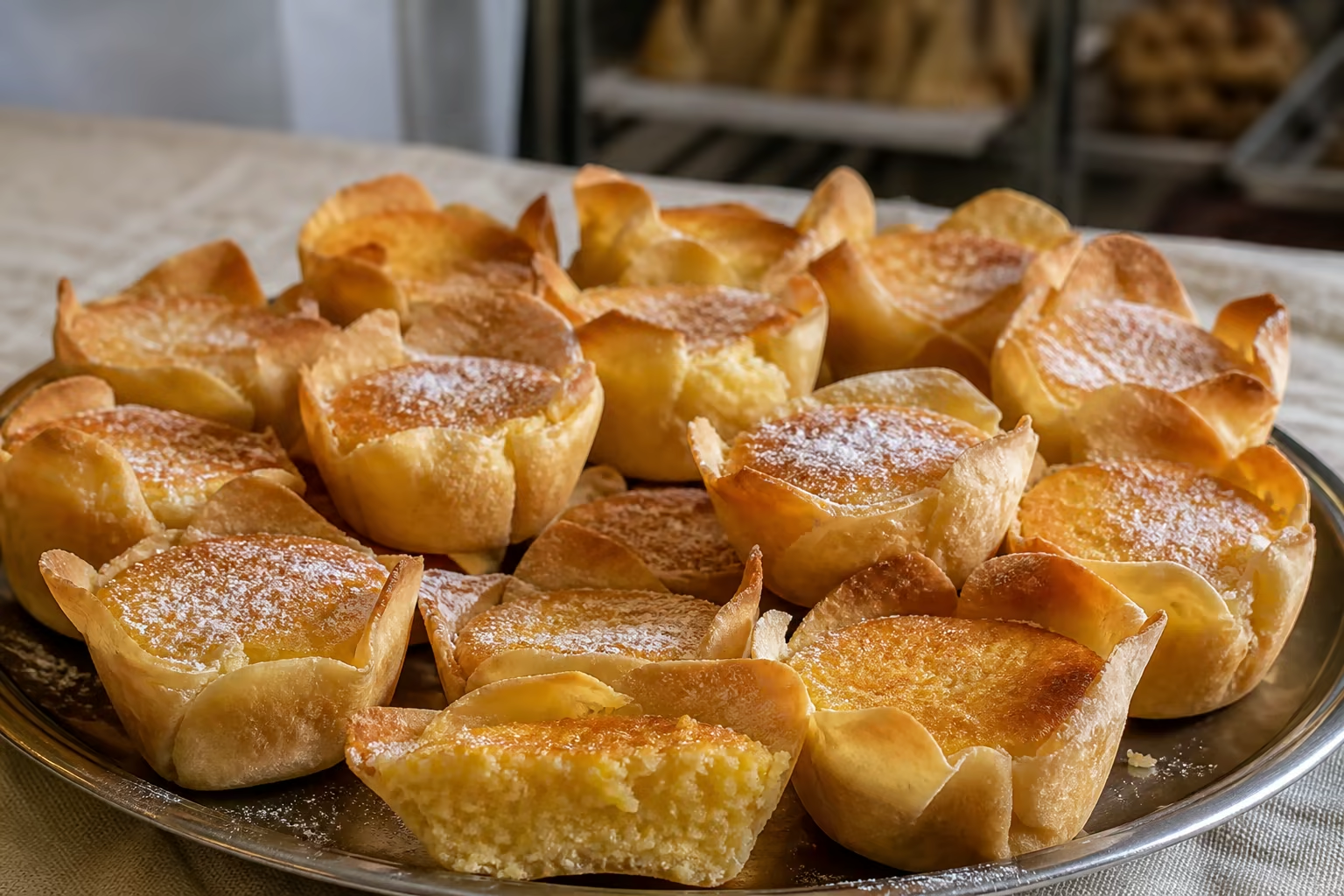
Vouga Almond Tartlets
Also known as: Vouga Almond Tartlets · Vouguinhas
Small thin-pastry 'clay pots' with petal-like rims and a rich almond-and-yolk filling.
- Origin
- Lafões region · São Pedro do Sul and Vouzela
- Place
- Lafões · São Pedro do Sul and Vouzela
- Region
- The Centre
- Category
- Convent Sweets
- Season
- Year-round · traditionally for feast days
- Evidence
- Well documented
Caçoulinhos do Vouga are round tartlets from the Lafões region. They measure approximately seven centimetres across and three centimetres high. The very thin pastry rises beyond the small mould and is shaped by hand into irregular points resembling petals or the rim of a little clay caçoilo.
The older version documented by the Lafões Gastronomic Charter uses egg yolks, sugar, ground almond and lemon peel inside a simple flour, butter and water pastry. The yellow filling reaches roughly three quarters of the shell and remains soft, rich and gently textured by the almond.
A second version is widely sold under the name Vouguinhas, using puff pastry and a filling of almond, white bean and ovos-moles, finished with powdered sugar. Both formulations circulate in the region, explaining why current descriptions do not always depict precisely the same tartlet.
- Wheat flour
- Butter and water for the pastry
- Egg yolks
- Sugar
- Ground almond
- Lemon peel
- White beans and puff pastry in some Vouguinhas
A sweet, egg-rich almond filling with a soft, almost cheesecake-like consistency, set against a thin crisp shell.
The older recipe uses thin pastry and an almond-yolk filling without beans. The family of variants called Vouguinhas may use puff pastry, ovos-moles and white beans; commercial walnut-and-cinnamon, chila, apple or chocolate fillings also exist.
From confectioners in the Lafões region, especially São Pedro do Sul and Vouzela. Traditional production is limited, so confirm availability before visiting.
Coffee, black tea or a sweet Dão wine.
QUALIFICA records 'Caçoulinhos do Vouga' in Portugal's national list of traditional products. The Lafões Gastronomic Confraternity preserved a recipe attributed to D. Glória Ribeiro and describes the sweet as part of a convent-influenced repertoire transmitted through local families.
Its shape recalls old caçoilos, small clay vessels. In the 1950s Alzira da Várzea sold these tartlets at the São Pedro do Sul thermal baths to hotels, restaurants and spa visitors. The name Vouguinhas, honouring the Vouga River, became established later through family producers, including the Pinto family.
Well documented
Identity supported by institutional, specialist or corroborating sources.
- gastronomoslafoes.wixsite.com/confraria/untitled-c1ylq (opens in a new tab)
- valorizateviseudaolafoes.pt/wp-content/uploads/2024/12/S-Pedro-Sul-_-Mosteiro-Sao-Cristovao.pdf (opens in a new tab)
- adrimag.com.pt/downloads/PROVERE/MAGazine/MAGazine_-_No8_-_Inverno2013.pdf (opens in a new tab)
- viseunow.pt/artigo-de-opiniao-cacoilinhos-do-vouga-um-doce-petisco-em-risco/ (opens in a new tab)
- maisguimaraes.pt/wp-content/uploads/2025/09/MG521.pdf (opens in a new tab)
- eubrdialogues.com/sites/default/files/acoes/documentos/049xlix_lista_de_produtos_tradicionais_portugueses_v_19_0.pdf (opens in a new tab)
- dgadr.gov.pt/images/docs/val/dop_igp_etg/Valor/CE_pao_de_Ul_pada_de_Ul.pdf (opens in a new tab)
Pastries from here — The Centre
 Catalogue image
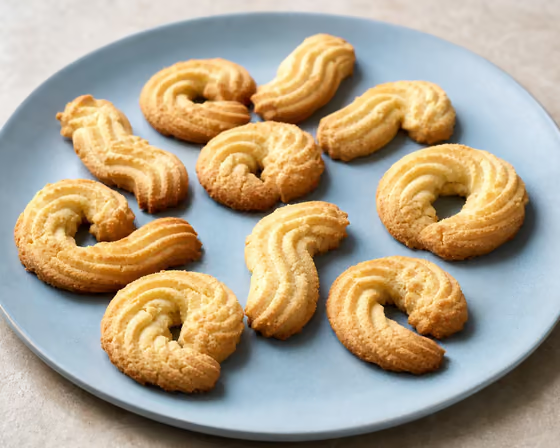
 Ílhavo Piped Butter Biscuits
Regional buttery biscuits piped into deeply ridged rings and curves.
The Centre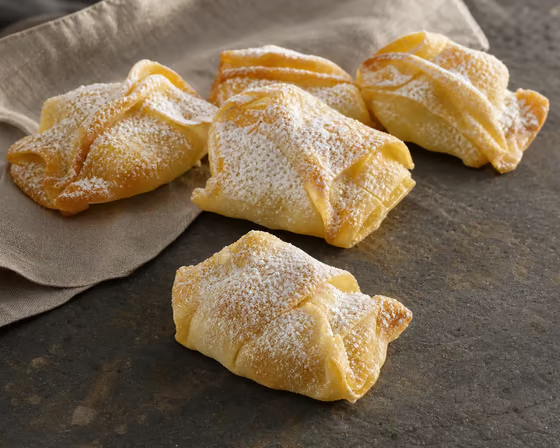 Catalogue image
 Saint Friar Gil’s Saddlebags
The small saddlebag-shaped pastry created at Vouzela’s vocational school and recognised as an innovative sweet.
The Centre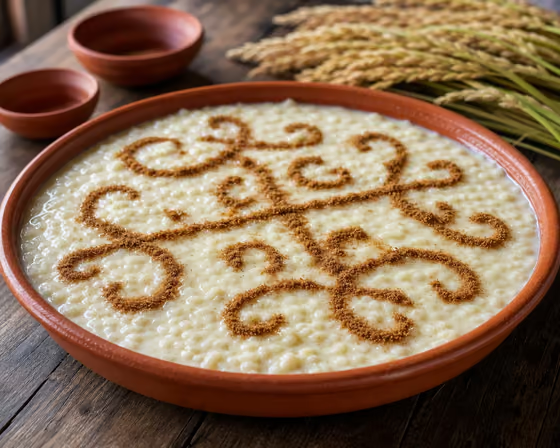 Catalogue image
 Baixo Mondego Rice Pudding
Mondego Carolino rice and Gândara milk, traced with cinnamon.
The Centre Catalogue image
 Arrufada de Coimbra
Coimbra's light, fragrant sweet bread, given by godparents at Easter.
The Centre