Beira Baixa Borrachões
Also known as: Borrachões · Idanha Borrachões
The dry biscuit that drinks its fill of wine and aguardente, and keeps Easter for months.
- Origin
- Folk pastry of the Beira Baixa · Idanha-a-Nova and Idanha-a-Velha · a rural Easter tradition
- Place
- Idanha-a-Nova
- Region
- The Centre
- Category
- Festive & Seasonal
- Season
- Easter (available year-round around Idanha)
- Evidence
- Well documented
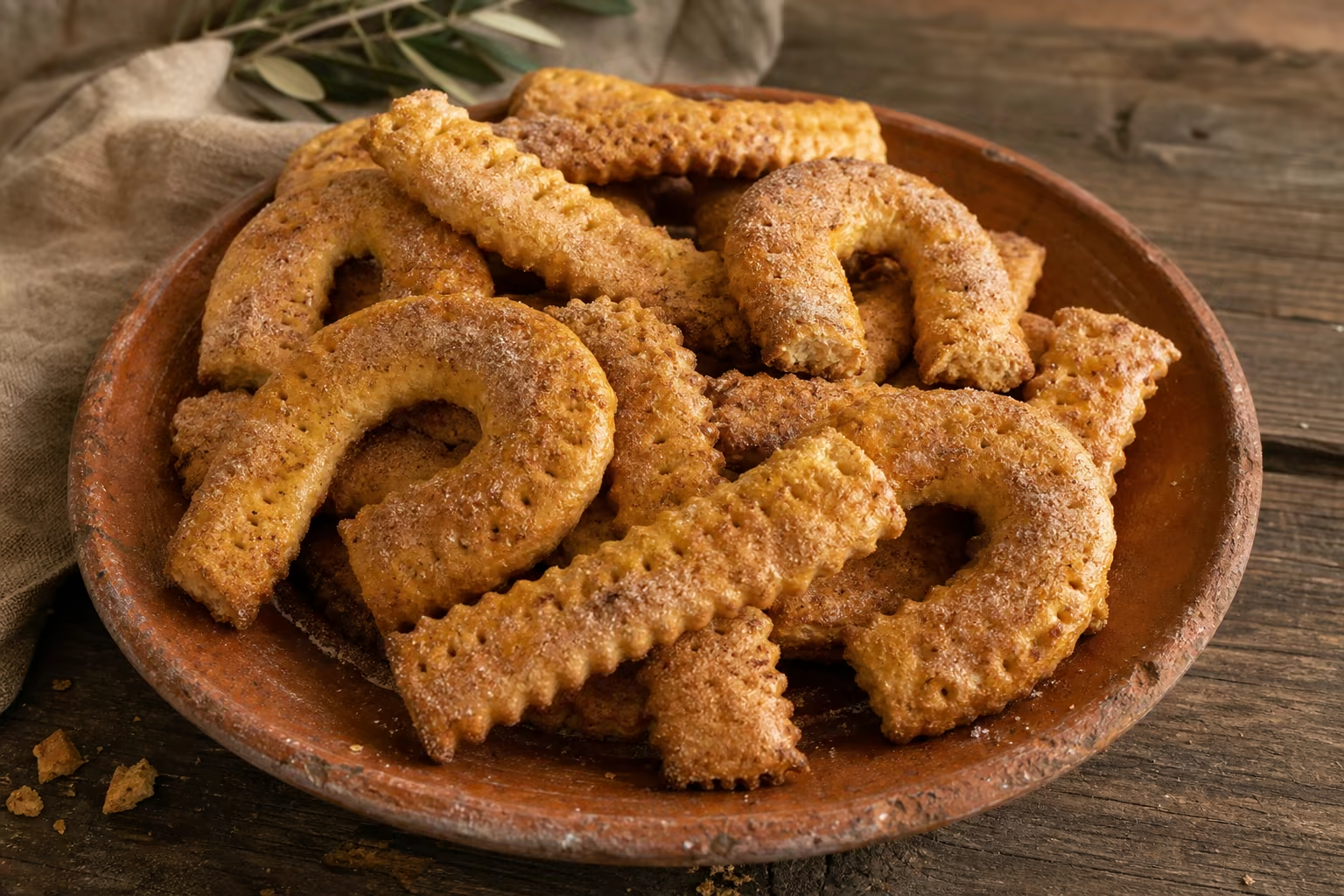
The borrachões are dry, rustic biscuits of the Beira Baixa, born in the kitchens of Idanha where olive oil stands in for butter and alcohol enters the dough in place of water. Rolled to the thickness of a finger and cut into strips with a pastry wheel — or folded into horseshoes, as the older form dictates — the dough is pricked with a fork, brushed with beaten egg and scattered with sugar and cinnamon before going into a hot oven.
They emerge golden and crisp, with a toasted surface and a clean, dry snap, free of any moisture that might spoil them. It is precisely that dryness that gives them their long life: kept in a tin, away from damp, they last for months.
They are eaten at breakfast or as a dessert, dunked in coffee or dipped in a glass of wine, and they fill Easter tables alongside the esquecidos, the olive-oil biscuits and the honey cake.
- Wheat flour
- Olive oil
- White wine
- Aguardente (grape brandy)
- Sugar
- Eggs
- Cinnamon
- Salt
Dry and crisp, they snap clean between the teeth. The olive oil lends body and a fruity undertone, the wine and aguardente leave a discreet, warming bite, and the sugar and cinnamon crown it all with a toasted sweetness.
The shape varies from house to house: some cut them into rectangular strips with a fluted wheel, others fold them into horseshoes. As for the spirit, tradition allows aguardente with jeropiga or simply white wine — and the esquecidos and olive-oil biscuits keep them company on the same Easter tray.
Look for them in Idanha-a-Nova and the historic village of Idanha-a-Velha, especially around Easter, in bakeries, regional pastry shops and on the breakfast and dessert tables of local hotels and restaurants.
A glass of Fundão wine or moscatel, a measure of aguardente, or simply a cup of coffee to dunk them in at breakfast.
The name tells all: borrachão comes from borracha — the old leather wineskin — and from the borracheira ligeira, the mild tipsiness, that the dough seems to evoke, soaked as it is in wine and aguardente. They are ancient sweets of the conventual and popular confectionery of the Beira Baixa, particularly associated with Idanha-a-Nova and the historic village of Idanha-a-Velha.
It was said that in wealthy households the borrachões were made with aguardente and jeropiga, and in poorer ones with white wine, in equal parts. They were Easter plenty, offered to those who had least — to the poor, to prisoners and to families in mourning — a gesture of sharing that still holds memory in this border land.
Well documented
Identity supported by institutional, specialist or corroborating sources.
- mulherportuguesa.com/receita/borrachoes-da-beira-baixa-a-sua-receita-tradicional/ (opens in a new tab)
- aldeiashistoricasdeportugalblog.pt/2020/03/27/a-receita-de-borrachoes-da-aldeia-historica-de-idanha-a-velha/ (opens in a new tab)
- ruralea.com/borrachoes-da-beira-baixa/ (opens in a new tab)
- cozinhatradicional.com/borrachoes/ (opens in a new tab)
- turismodocentro.pt/artigo/pascoa-receitas-centro-de-portugal/ (opens in a new tab)
Pastries from here — The Centre
 Catalogue image
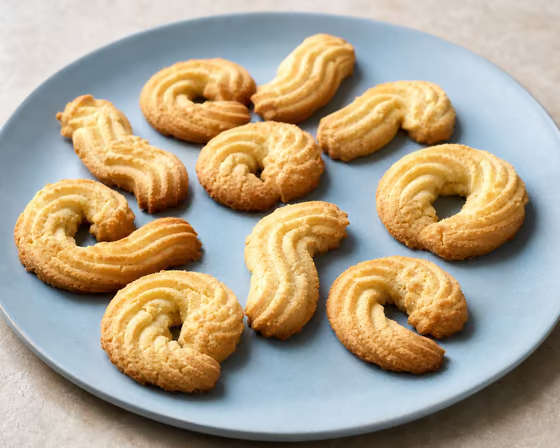
 Ílhavo Piped Butter Biscuits
Regional buttery biscuits piped into deeply ridged rings and curves.
The Centre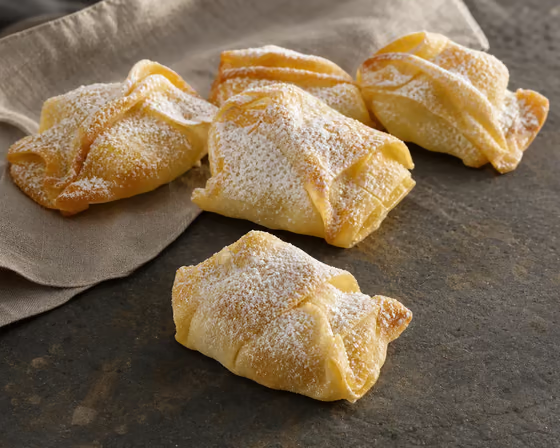 Catalogue image
 Saint Friar Gil’s Saddlebags
The small saddlebag-shaped pastry created at Vouzela’s vocational school and recognised as an innovative sweet.
The Centre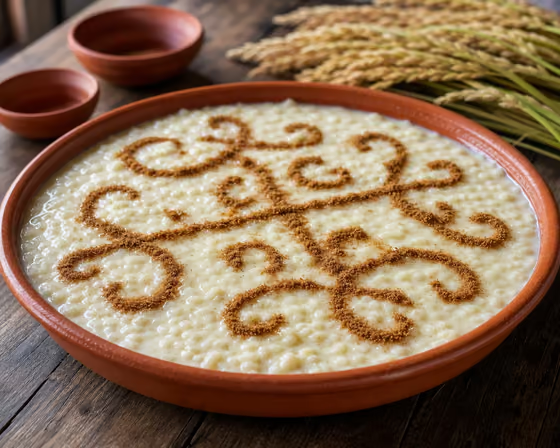 Catalogue image
 Baixo Mondego Rice Pudding
Mondego Carolino rice and Gândara milk, traced with cinnamon.
The Centre Catalogue image
 Arrufada de Coimbra
Coimbra's light, fragrant sweet bread, given by godparents at Easter.
The Centre