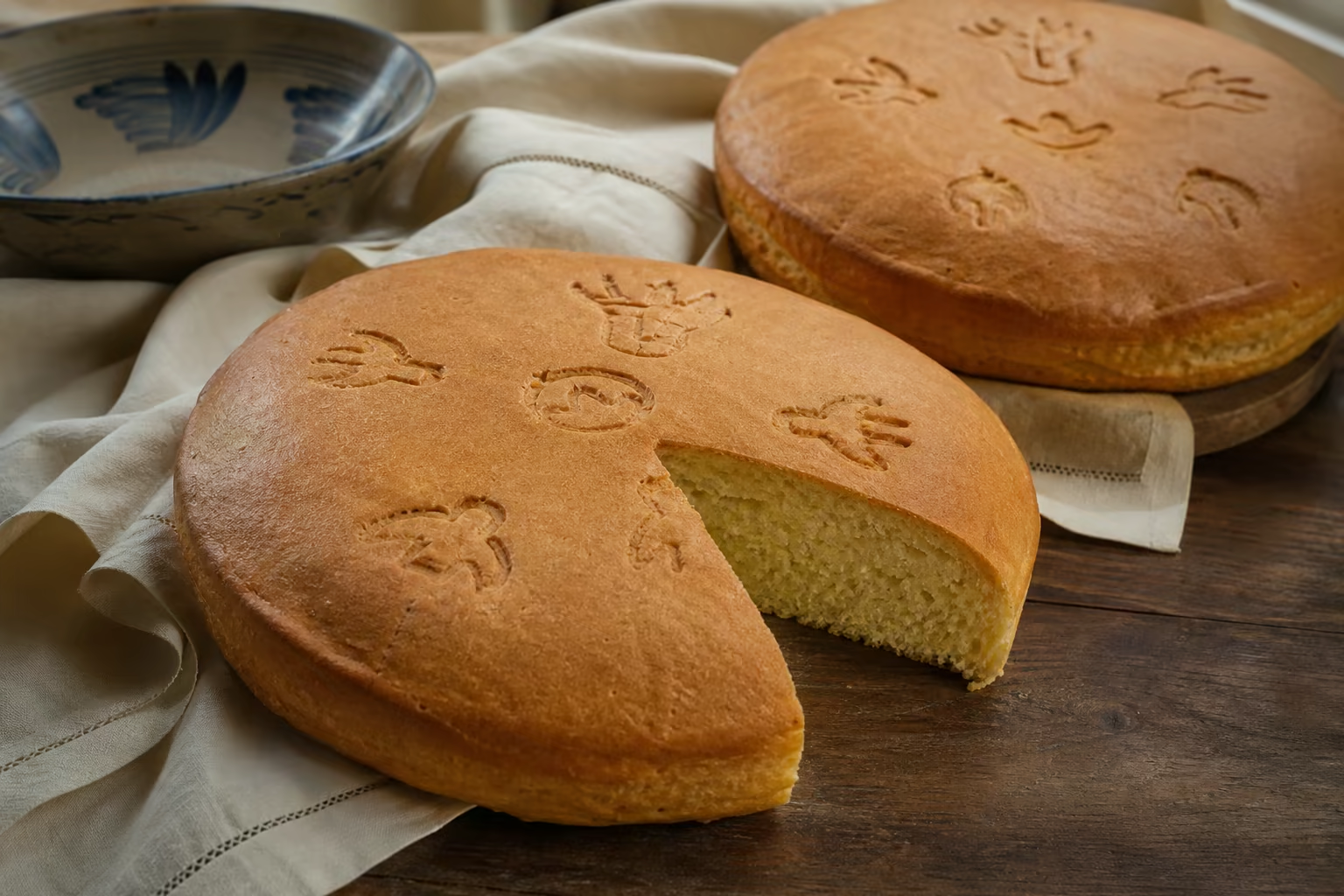
Holy Spirit Eve Cakes
Also known as: Azorean Eve Cakes · Pico Vésperas
Large Holy Spirit cakes, stamped, blessed and delivered on the eve of the feast.
- Origin
- Santa Maria, Pico and São Jorge islands · Azores
- Place
- Santa Maria Island
- Region
- The Azores
- Category
- Festive & Seasonal
- Season
- Holy Spirit festival season
- Evidence
- Well documented
Bolos de Vésperas are large yeasted discs associated with Holy Spirit festivals on several Azorean islands. On Santa Maria, the documented formula uses eggs, lard, butter, sugar, flour, salt, yeast, curd and whey; the dough passes through several feeding stages before wood-fired baking.
On Pico, the dough uses flour, eggs, sugar, milk, butter, lard, yeast and salt, without the Santa Maria version's curd and whey. In both traditions, each cake is stamped six times outward from the centre with a chavão, usually carrying Holy Spirit symbols and the maker's mark. It is then blessed and distributed, joining food, authorship and devotion.
- flour
- eggs
- sugar
- lard
- butter
- yeast
- milk
- curd and whey (Santa Maria)
- salt
Rich yet lighter than some curd cakes, with tender crumb, dairy richness and a wood-fired crust.
Santa Maria stands apart for curd and whey and dough fed in stages; Pico uses milk and may decorate the cake with a repenicadeira as well as the stamp. Symbols and marks vary by family, parish and brotherhood.
On Santa Maria, Pico and São Jorge during Holy Spirit festivals and through local brotherhood traditions.
Azorean tea, milk or fresh cheese.
They are prepared around three days before the Holy Spirit feast for delivery on its eve—the direct origin of their name. The centuries-old process is lengthy and expensive. On Santa Maria, a medium cake may require curd made from roughly four litres of milk; on Pico, the official tourism portal documents the long kneading, stamping and distribution to all present. Azorean cultural sources also record Bolos de Véspera on São Jorge.
Well documented
Identity supported by institutional, specialist or corroborating sources.
- tradicional.dgadr.gov.pt/pt/cat/doces-e-produtos-de-pastelaria/683-bolos-de-vesperas (opens in a new tab)
- turismo.azores.gov.pt/pico/ (opens in a new tab)
- books.openedition.org/etnograficapress/2052 (opens in a new tab)
- mundodereceitasbimby.com.pt/massas-levedas-receitas/bolo-de-vespera-a-moda-da-ilha-do-pico-acores/xpi4p6ls-22a03-270648-d2857-0k7nqv9w (opens in a new tab)
- culturacores.azores.gov.pt/ea/pesquisa/default.aspx (opens in a new tab)
Pastries from here — The Azores
 Catalogue image
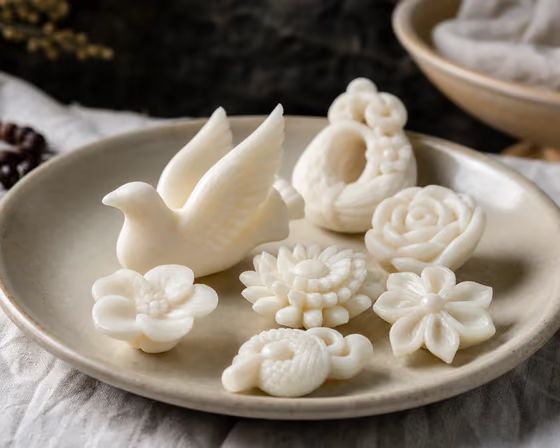
 Alfenim Pulled Sugar
Hand-pulled sugar shaped into animals, flowers, hearts and votive figures.
The Azores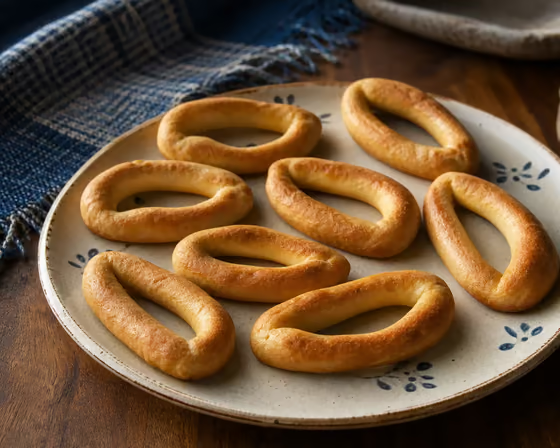 Catalogue image
 Brandy Biscuits
Crisp Santa Maria rings kneaded with eggs, rich fats and a glass of brandy.
The Azores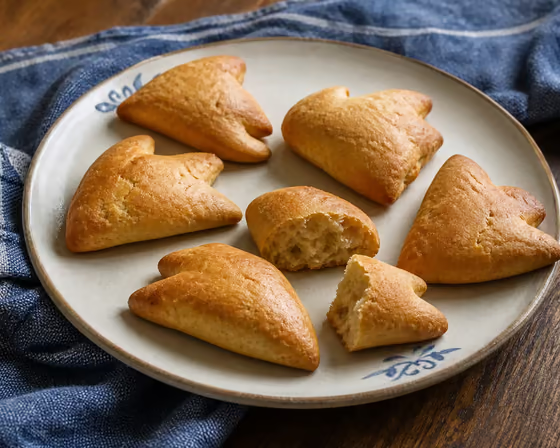 Catalogue image
 Ear-Shaped Biscuits
Santa Maria's triangular enriched biscuits, clipped at the tips like little ears.
The Azores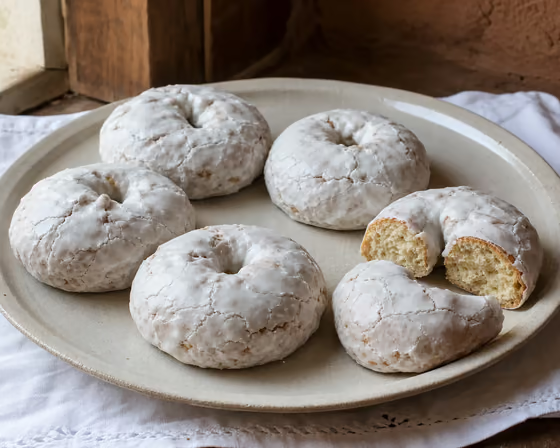 Catalogue image
 Santa Maria Encanelado Biscuits
Santa Maria's yeasted rings under a thick white sugar glaze.
The Azores