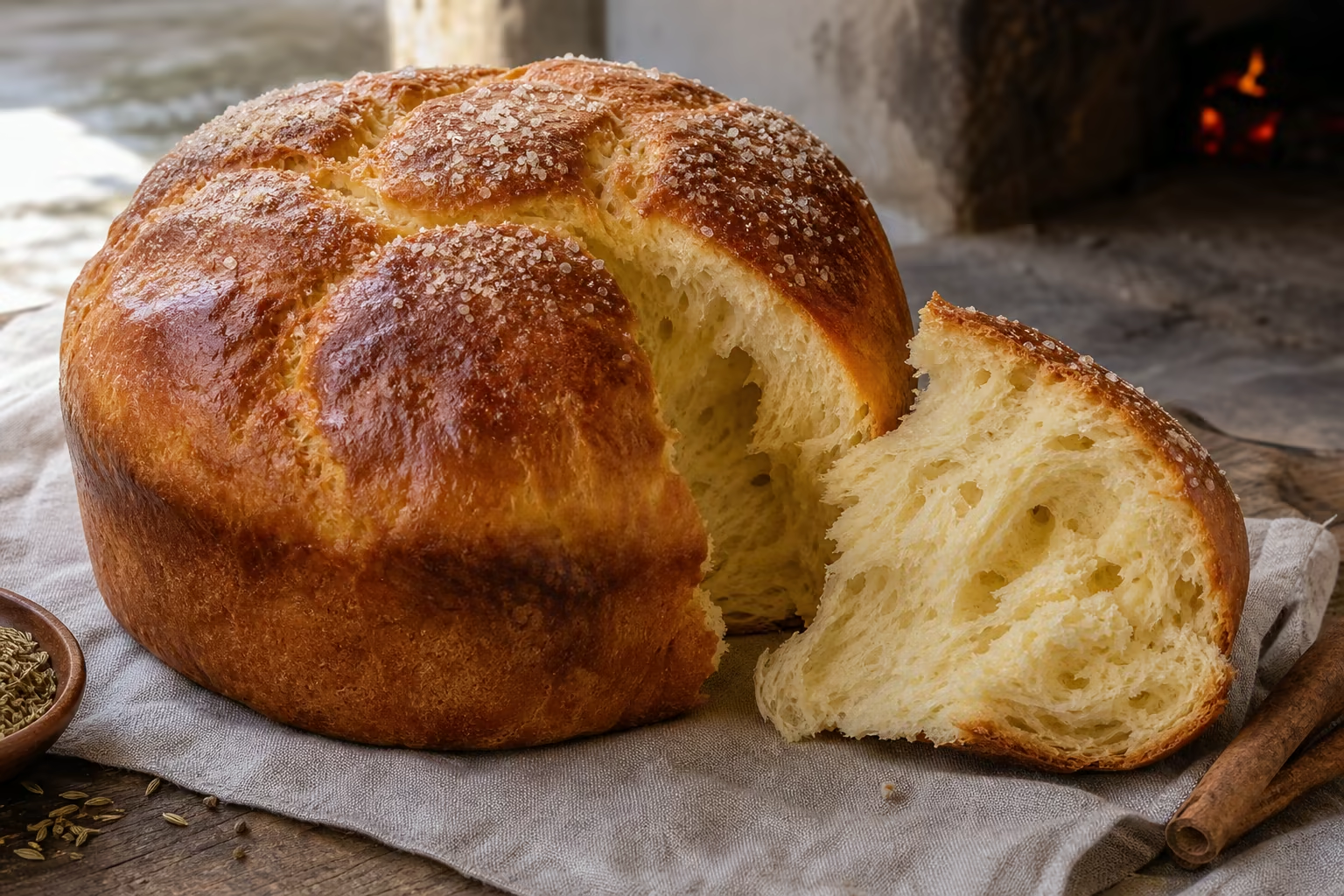
Finto Cake
Also known as: Bolos Fintos · Sleeping Cakes (Bolos Dormentes) · Finto Bread
The sweet bread that sleeps the whole night through to wake up scented with aniseed.
- Origin
- Rural Beira tradition · Seixo da Beira, Oliveira do Hospital
- Place
- Seixo da Beira
- Region
- The Centre
- Category
- Festive & Seasonal
- Season
- Easter, weddings and the Festa do Pão, Bolos e Bôlas (August)
- Evidence
- Well documented
The bolo finto is a slow-risen sweet bread — tall and golden, fragrant with aniseed and cinnamon, dusted with sugar before going into the wood-fired oven. The crumb is firm yet tender, with an elastic thread, closer to an enriched loaf than to a pastry confection — the sort of thing to be broken by hand and eaten in thick slices.
The name says everything: finto means feigned, because the dough lies proving — pretending to sleep — for many hours, often the whole night, before being shaped and baked. Hence its other name, bolos dormentes, the sleeping cakes. Each loaf calls for fourteen eggs, generous amounts of flour, olive oil, milk and a glass of aguardente, kneaded by hand and left to rise with patience.
In the Beira, and above all in Seixo da Beira, it is a tray-baked celebration bread: it appears at Easter and at wedding feasts, baked in communal ovens and carried home still warm, filling the whole village with the scent of aniseed.
- Wheat flour
- Eggs
- Sugar
- Baker's yeast
- Milk
- Olive oil
- Aguardente (grape brandy)
- Aniseed
- Cinnamon
- Salt
Moderately sweet and deeply aromatic: aniseed and cinnamon scent every slice, over a warm undertone of brandy and olive oil. The texture is that of an enriched bread — firm, slightly springy, with a golden, sugar-dusted crust.
Found from the Beira Baixa to the Alentejo, with small differences of shape and seasoning — some heavier on aniseed, others on cinnamon or lemon zest. In Seixo da Beira they are made large and baked in the communal oven; elsewhere they appear as individual cakes.
The best place is Seixo da Beira, during the Festa do Pão, Bolos e Bôlas in late August, at the Parque de Nossa Senhora da Estrela, where they are baked live in wood-fired ovens. Otherwise, seek it to order at traditional bakeries across the Beira, especially around Easter.
It calls for a coffee or a cup of tea at breakfast, but it truly shines at meal's end, with a glass of Port or the region's own grape aguardente.
The bolo finto belongs to the large family of long-fermented sweet breads of the Beira Baixa, the Beira Serra and the Alentejo, linked to Easter and wedding celebrations. Tradition had it that a bolo finto was offered in the week before the wedding, as a token of gratitude from the bridal couple to the guests who had contributed eggs, flour and sugar to the feast — an act of sharing that still survives in a few villages.
In Seixo da Beira, in the municipality of Oliveira do Hospital, the bolo finto has become an emblem of the parish. Since 2005 the Parish Council has organised the Festa do Pão, Bolos e Bôlas, at which the communal wood-fired ovens are lit once more and the dough is kneaded by hand, in the old way, before the eyes of visitors. It is here that the bolo finto reigns, the most sought-after sweet among locals and visitors alike.
Well documented
Identity supported by institutional, specialist or corroborating sources.
- enoturismo.pt/guia/bolo-finto/ (opens in a new tab)
- cm-oliveiradohospital.pt/festa-do-pao-bolos-e-bolas-mantem-tradicao-de-seixo-da-beira/ (opens in a new tab)
- freguesiadeseixodabeira.pt/event_type/festa-do-pao-bolo-e-bolas/ (opens in a new tab)
- radioboanova.sapo.pt/festa-do-pao-bolos-e-bolas-mantem-tradicao-de-seixo-da-beira/ (opens in a new tab)
Pastries from here — The Centre
 Catalogue image
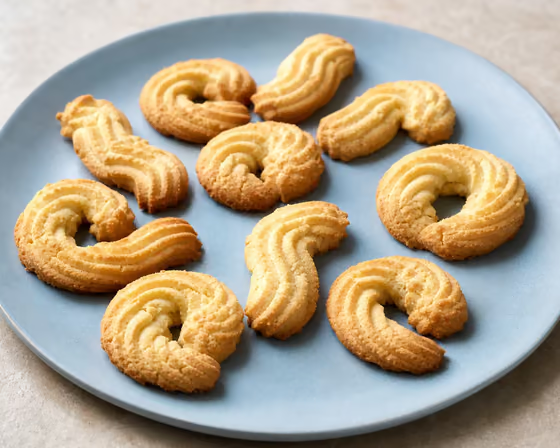
 Ílhavo Piped Butter Biscuits
Regional buttery biscuits piped into deeply ridged rings and curves.
The Centre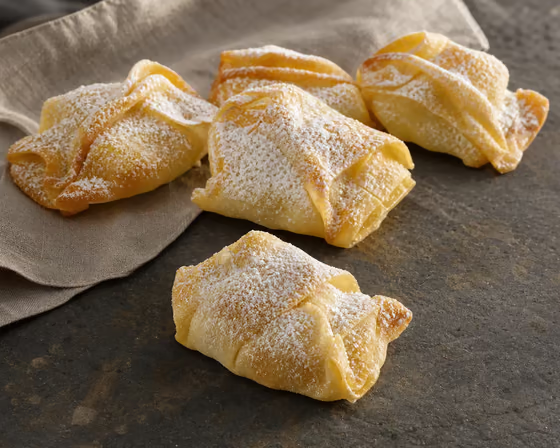 Catalogue image
 Saint Friar Gil’s Saddlebags
The small saddlebag-shaped pastry created at Vouzela’s vocational school and recognised as an innovative sweet.
The Centre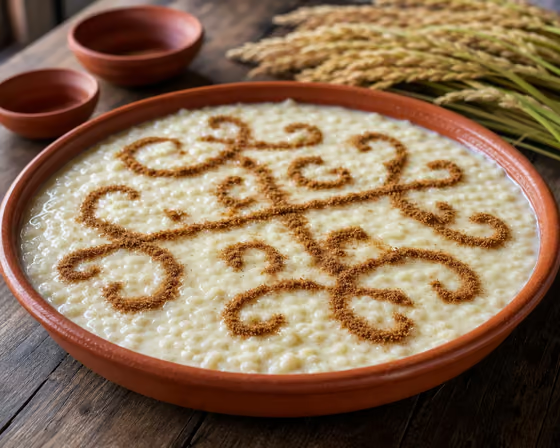 Catalogue image
 Baixo Mondego Rice Pudding
Mondego Carolino rice and Gândara milk, traced with cinnamon.
The Centre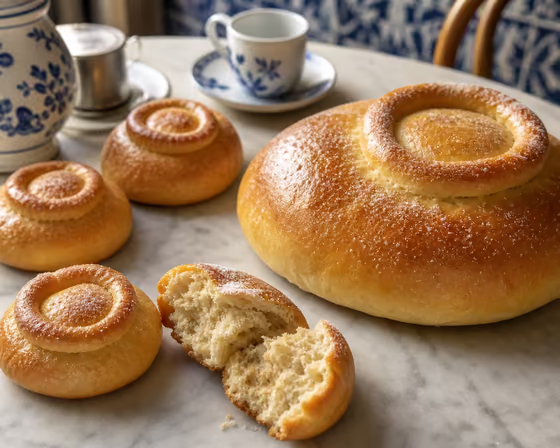 Catalogue image
 Arrufada de Coimbra
Coimbra's light, fragrant sweet bread, given by godparents at Easter.
The Centre