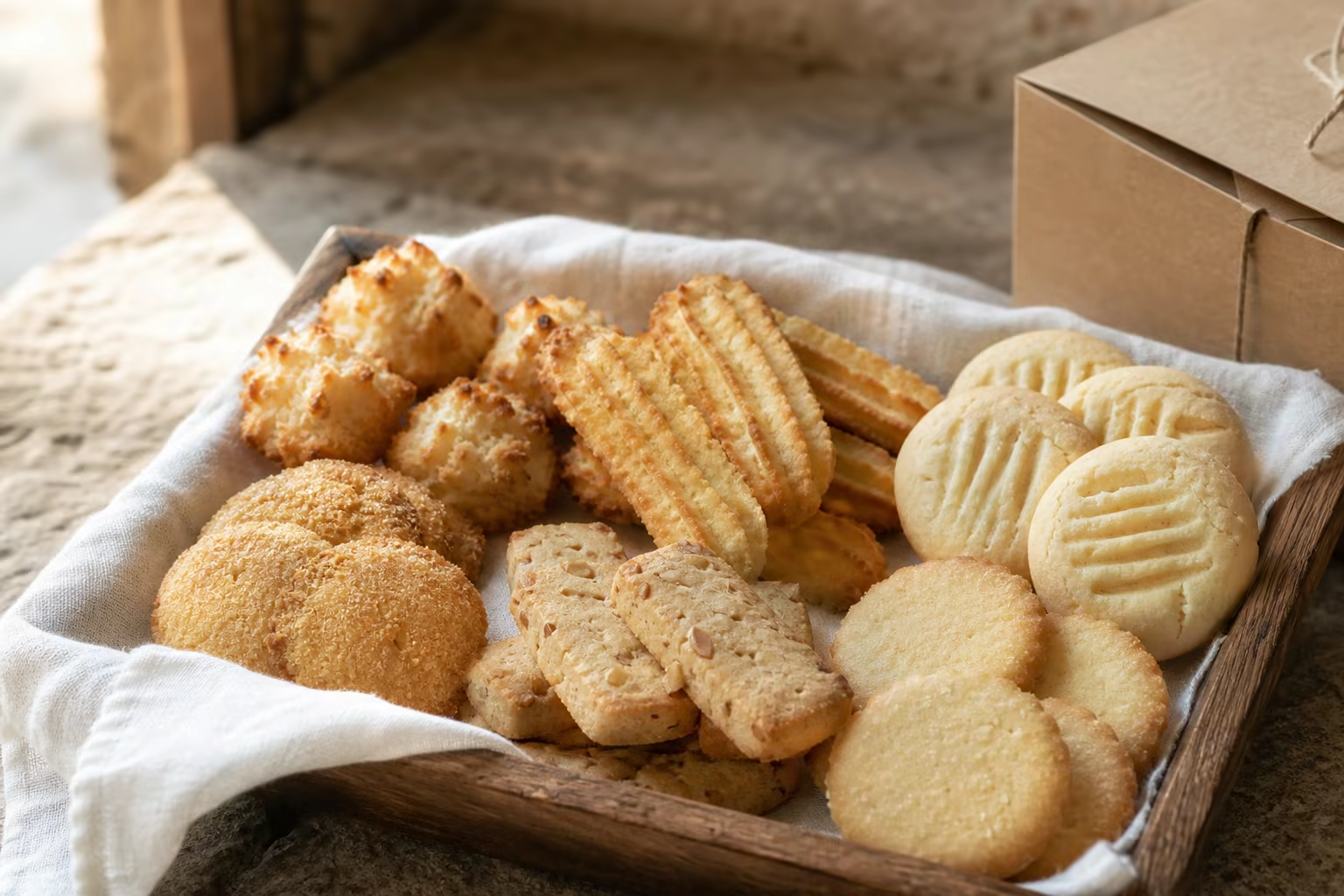
Santa Escolástica Convent Biscuits
Also known as: Santa Escolástica Convent Biscuits · Roriz Convent Biscuits
The convent assortment Benedictine nuns shape biscuit by biscuit.
- Origin
- Roriz · Santo Tirso
- Place
- Roriz · Santo Tirso
- Region
- The North
- Category
- Convent Sweets
- Season
- Year-round, with greatest demand at Christmas and Easter
- Evidence
- Well documented
Bolachas de Santa Escolástica are a handmade assortment produced at the Benedictine monastery in Roriz. A box gathers different shapes and textures: coconut rochedos, ridged lagartas, pale cornflour biscuits, crumbly areadas, almond-bread biscuits and sablés; production also includes honey cakes.
They are delicate, mildly sweet and crisp, made without colourings or preservatives and without industrial moulding lines.
- wheat flour or corn starch, depending on variety
- sugar
- butter or another recipe fat
- coconut
- almond
- honey in specific varieties
- eggs, depending on variety
Mildly sweet and very crisp, alternating toasted coconut, almond, butter and honey.
The retail assortment may contain six varieties, while documented production also includes small honey biscuits and honey cakes.
At Santa Escolástica Monastery in Roriz and selected regional-product shops.
Tea, coffee, Moscatel, tawny Port, Madeira or Singeverga liqueur.
Santa Escolástica Monastery was founded in Roriz in 1935, and confectionery became a source of support for the community. Some recipes show Belgian influence brought by nuns involved in the foundation. Production remains manual under the Benedictine tradition of prayer and work.
Well documented
Identity supported by institutional, specialist or corroborating sources.
- mosteiroderoriz.com/copy-of-comunidade-2 (opens in a new tab)
- dn.pt/arquivo/diario-de-noticias/as-bolachas-de-santa-escolastica.html (opens in a new tab)
- comum.rcaap.pt/server/api/core/bitstreams/6a8167dc-f885-433e-bb3f-758d4a09df45/content (opens in a new tab)
- gazetarural.com/wp-content/uploads/2019/04/7-Maravilhas-Doces-de-Portugal-Lista-de-Nomeados.pdf (opens in a new tab)
Pastries from here — The North
 Catalogue image
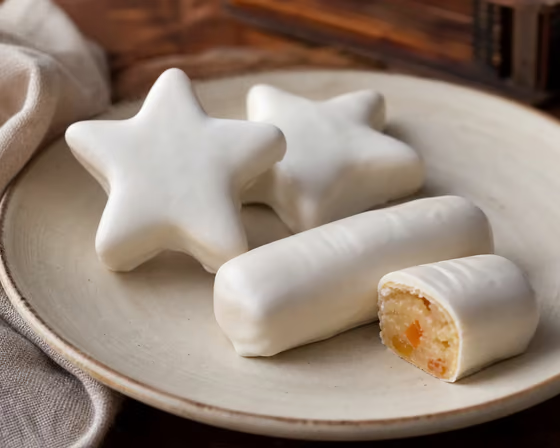
 A Bella Queijadinha de Barcelos
A white star of almond, preserved fruit and family memory.
The North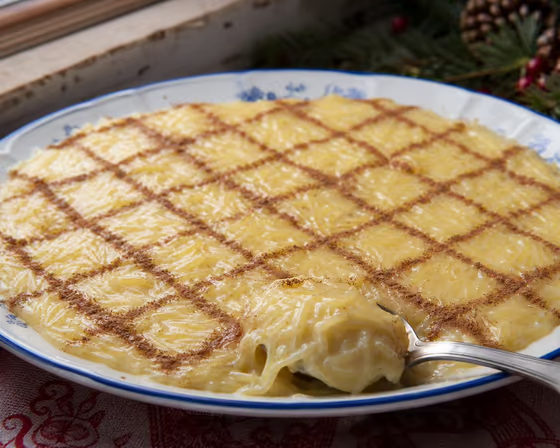 Catalogue image
 Sweet Vermicelli
Fine wheat threads simmered in milk and yolk, scored with cinnamon.
The North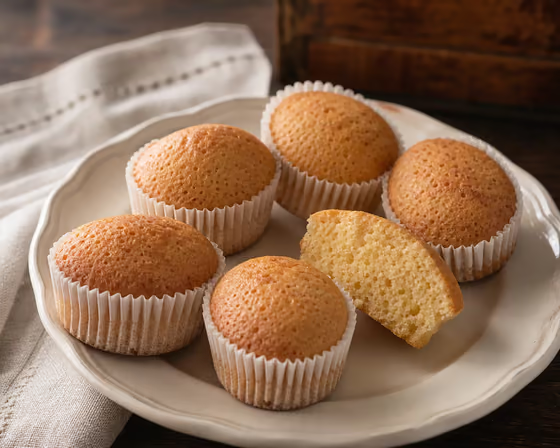 Catalogue image
 Amarantinos
Small egg, lemon and cinnamon cakes whose historical identity is not told consistently by the sources.
The North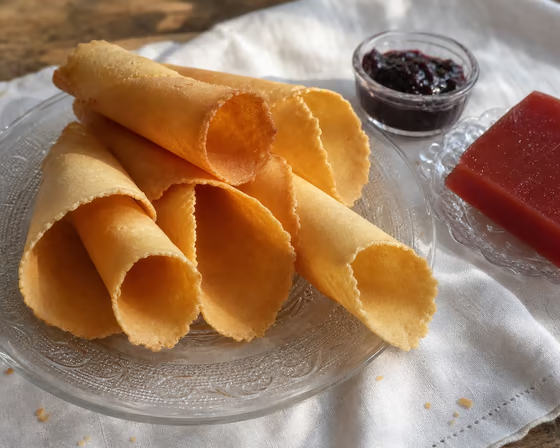 Catalogue image
 Vieira do Minho Cone Wafers
Paper-thin crisp wafers, iron-baked and rolled by hand while still hot.
The North