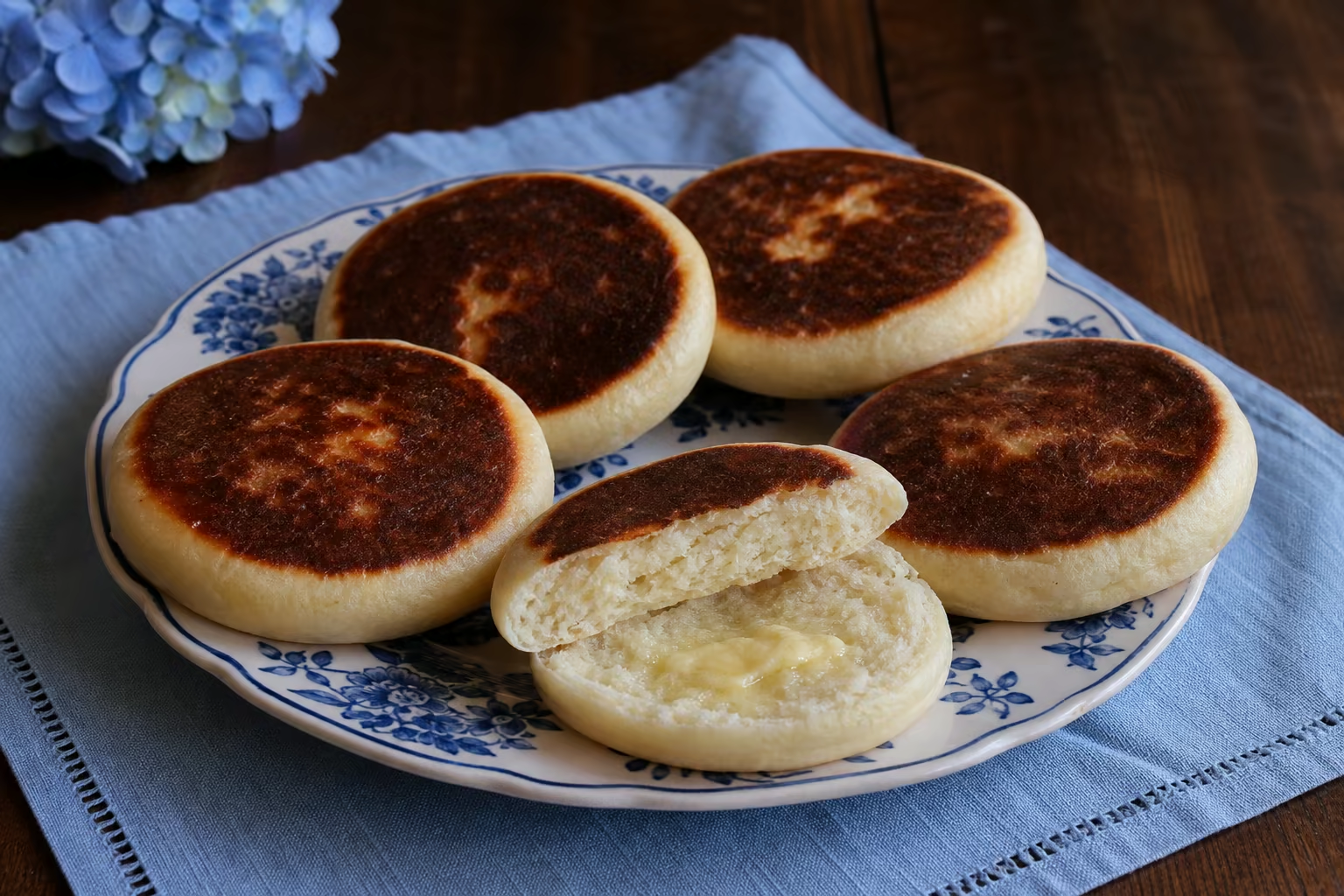
Bolos Lêvedos — a traditional Azorean formula
This recipe reproduces the quantities and method published by DGADR: an enriched dough of flour, sugar, butter, milk and eggs, with a first overnight prove and about four more hours after shaping. Regional documentation locates the modern tradition in Furnas on São Miguel; the DGADR record, however, contains a conflicting geographical reference to Faial, so that discrepancy is disclosed rather than erased.
- Yields
- 12-14 breads
- Prep
- 35 min, plus an overnight prove and a final 4 hrs
- Cook
- 30-45 min, in batches
Ingredients
- 1 kg Wheat flour, plus extra for dusting
- 150 g Sugar
- 150 g Melted butter, lukewarm
- 20 g Fresh baker's yeast
- 250 ml Lukewarm milk
- 2 Eggs
- to taste, as stated by the source Salt
Method
Sift the flour and sugar into a large bowl. Make a well in the centre. Dissolve the yeast in a small portion of the lukewarm milk and pour it into the well.
Add the eggs and salt, mix from the centre and gradually incorporate the remaining milk. Add the melted butter once lukewarm and knead vigorously until the dough is smooth, elastic and has the consistency of bread dough.
Cover the bowl and leave to prove overnight in a cool, draught-free place. Use a container with ample room for the dough to rise.
In the morning, divide the dough into 12-14 portions roughly the size of an orange. Shape each by drawing the edges down and into the centre, without rolling or compressing it excessively.
Set the balls on well-floured cloths with the seam underneath. Cover and prove again for about four hours, until light and well risen.
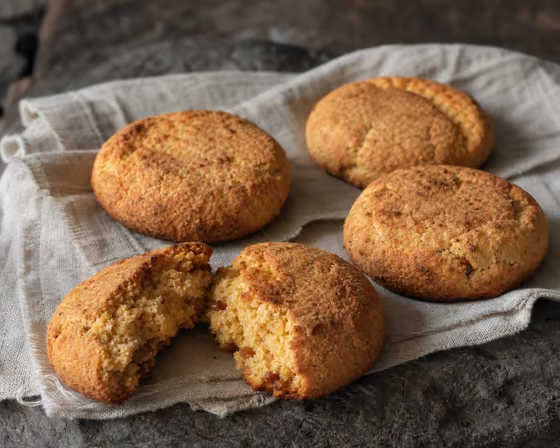
Gently flatten each ball by hand into a disc about 1 cm thick. Avoid pressing all the air out of the dough.
Heat a heavy griddle or pan over medium-low heat and dust it very lightly with flour. Cook only a few discs at a time, turning when the underside is toasted; lower the heat partway through so the centre cooks without burning the faces.
Remove when both faces are toasted and the centre is cooked. Cool on a rack under a cloth to keep the crumb soft.
Sources for this recipe
The quantities and method were checked against the references below. Family recipes may vary; where no single official formula exists, we present a representative practical version and say so plainly.
Read the editorial policy →