Traditional Portuguese Aletria
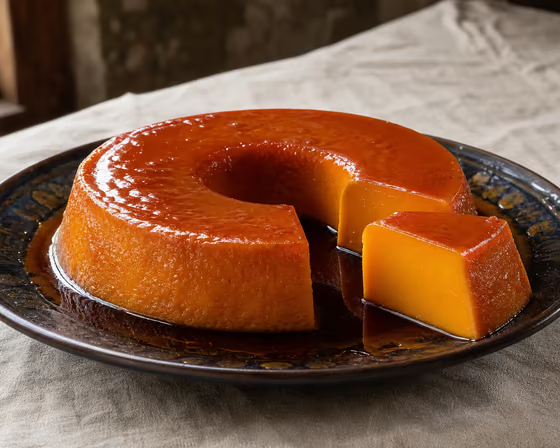
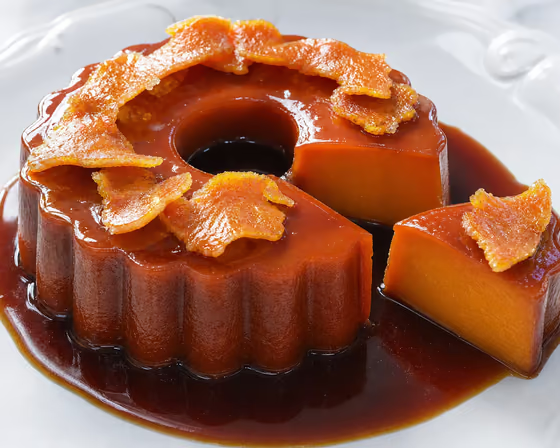
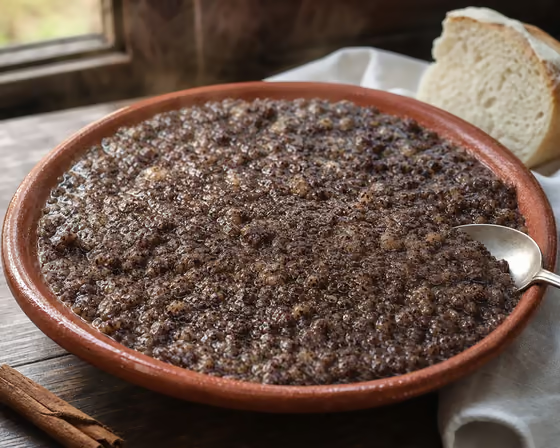
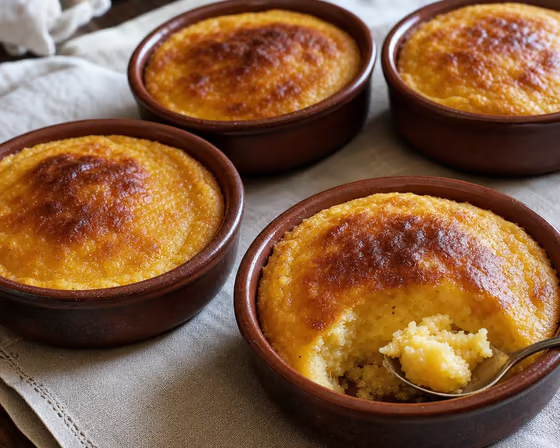
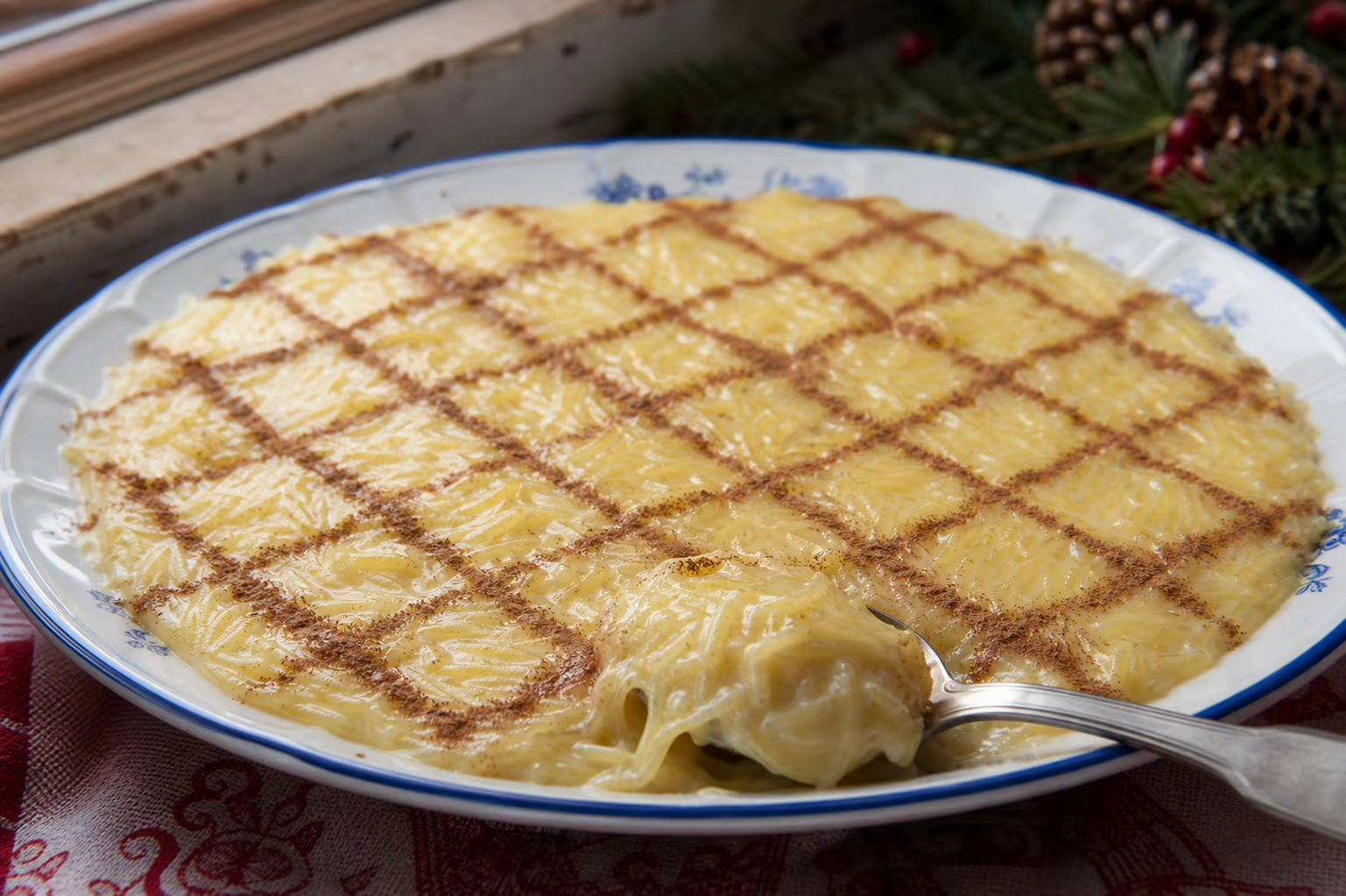
Portuguese aletria changes texture by region: in Minho it tends to be creamy, while in the Beiras it may set firmly enough to slice. This recipe follows the rich milk-and-yolk version documented by Teleculinária, creamy when served and firmer once cold. Lemon, cinnamon and the final powdered decoration give it its Christmas character.
- Yields
- 6 servings
- Prep
- 10 min
- Cook
- 25-30 min
Ingredients
- 200 g Very fine vermicelli
- 1 litre + 3 tbsp Whole milk
- 300 g Sugar
- 50 g Butter
- 6 Egg yolks
- 1 broad strip of peel Lemon
- 1 Cinnamon stick
- as needed to decorate Ground cinnamon
Method
Reserve three tablespoons of cold milk. Heat the remaining milk with the lemon peel, cinnamon stick and sugar, stirring until the sugar dissolves.
When it reaches the boil, break the vermicelli lightly with your hands and add it to the milk. Lower the heat and cook, stirring frequently to separate the strands and prevent sticking.
After about 10 minutes, taste a strand. It should be tender and the milk thickened, but some liquid should remain visible; the pasta will continue absorbing it as it cools.
Remove from the heat, discard the cinnamon and lemon peel, and stir in the butter.
Whisk the yolks just until combined with the three tablespoons of reserved milk. Stir in a ladleful of hot aletria to temper them.
Pour the yolks into the pan in a thin stream, stirring continuously. Return to very low heat for 1-2 minutes until thickened, without boiling or the yolks may curdle.
Spoon into a serving dish or bowls. Leave to cool and decorate with ground cinnamon in a lattice or Christmas motifs.
Sources for this recipe
The quantities and method were checked against the references below. Family recipes may vary; where no single official formula exists, we present a representative practical version and say so plainly.
Read the editorial policy →