Algarve Almond Nógado
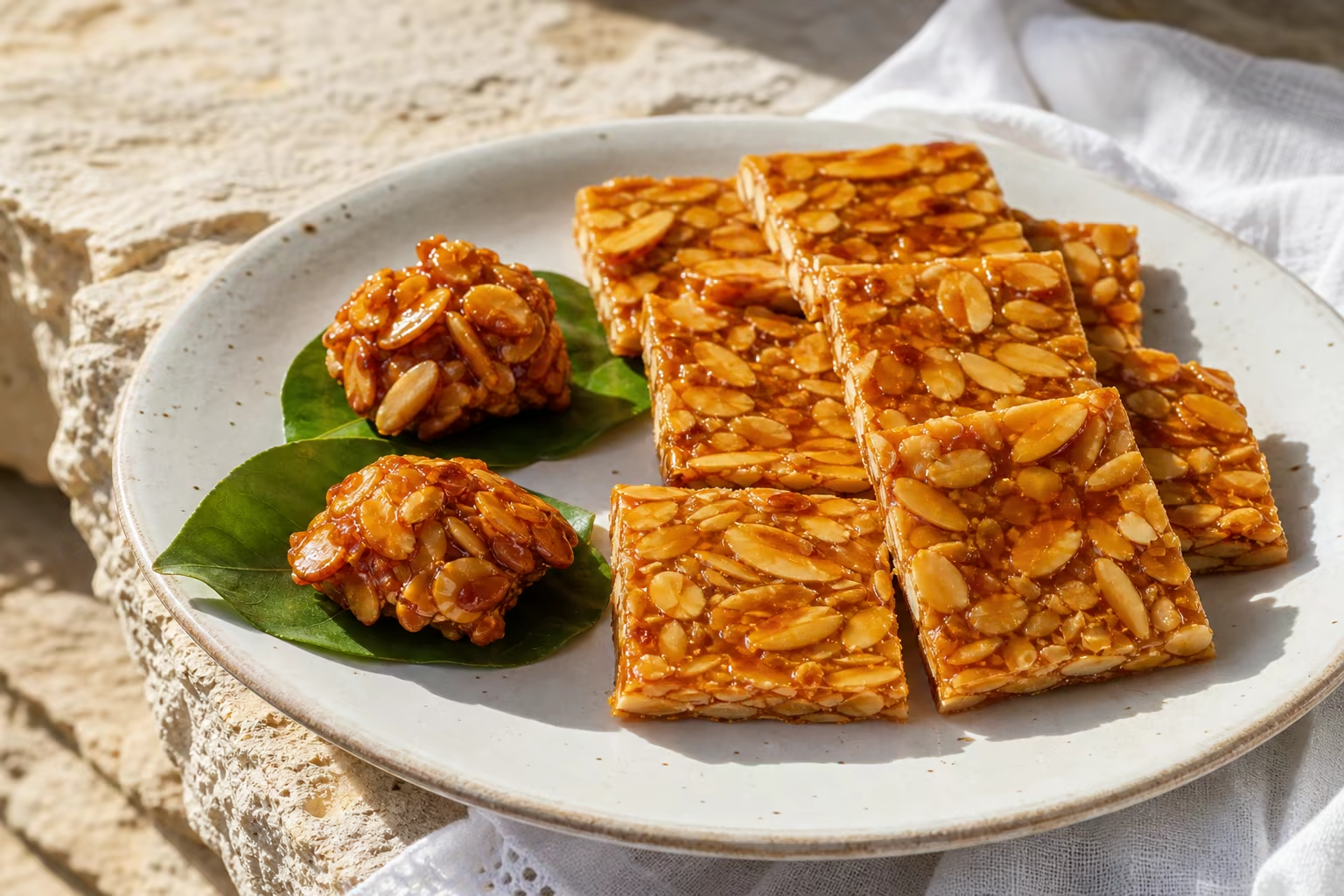
Algarve almonds bound with honey, cut into slabs or served on lemon leaves.
- Origin
- Algarve
- Place
- Algarve
- Region
- The Algarve
- Category
- Festive & Seasonal
- Season
- Year-round; common at fairs and festive periods
- Evidence
- Well documented
Nógado Algarvio is a firm, dark-golden confection made with equal parts almonds and honey. The almonds are cut into thick slivers and boiled in honey until the mixture darkens, then rolled to roughly half a centimetre thick.
While still warm it is cut into 5- to 6-centimetre squares or rectangles and paper-wrapped, or shaped into small mounds set on lemon leaves. Each portion weighs about 30 grams and preserves the contrast between caramelised honey and crunchy almond.
- almonds
- honey
Intensely toasted-honeyed, with crunchy almond and a lightly caramelised finish.
The specific DGADR formula uses equal parts almond and honey and is presented as slabs or mounds on lemon leaves. In the northeastern Algarve, tourism sources also call confections made from other nuts or flour dough dipped in honey nógado. The regional name is therefore broader than this almond version.
At traditional pastry shops, markets and regional-food fairs across the Algarve.
Espresso, lemon tea or medronho spirit.
DGADR links the sweet's commercial history to the family behind Pastelaria Almeida, which made confectionery before its 1931 lease. The house became a supplier to the Presidency of the Republic and state banquets, helping bring Algarve almond sweets to national prominence.
Well documented
Identity supported by institutional, specialist or corroborating sources.
- tradicional.dgadr.gov.pt/pt/cat/doces-e-produtos-de-pastelaria/199-nogado-algarvio (opens in a new tab)
- visitportugal.com/pt-pt/content/alcoutim (opens in a new tab)
- sapientia.ualg.pt/server/api/core/bitstreams/dd1ed0db-5d6c-41d0-95c9-3025b2f0b3c5/content (opens in a new tab)
Pastries from here — The Algarve
 Catalogue image
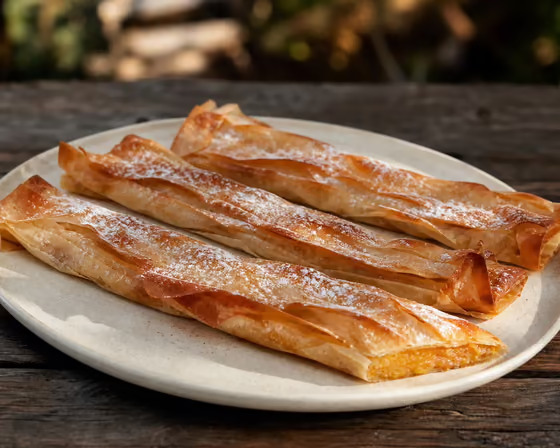
 Aljezur Sweet-Potato Pillows
A long pillow of crisp pastry leaves wrapped around Aljezur sweet potato.
The Algarve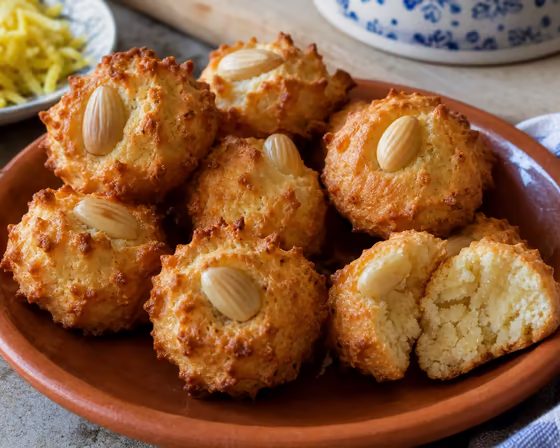 Catalogue image
 Almond Spiky Biscuits
Bristling peaks of almond, lemon and egg white, crisp outside and soft at the centre.
The Algarve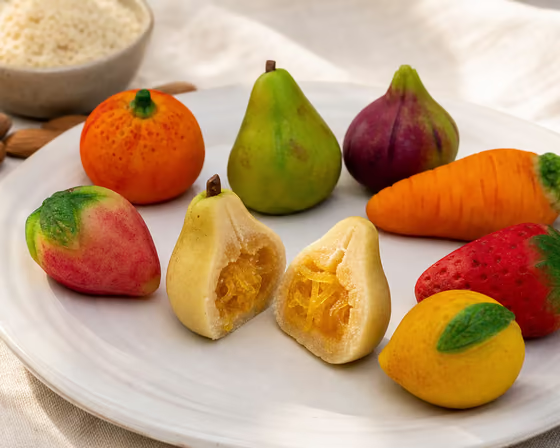 Catalogue image
 Silves Almond Sweets
Algarve figures hand-shaped and painted in almond paste.
The Algarve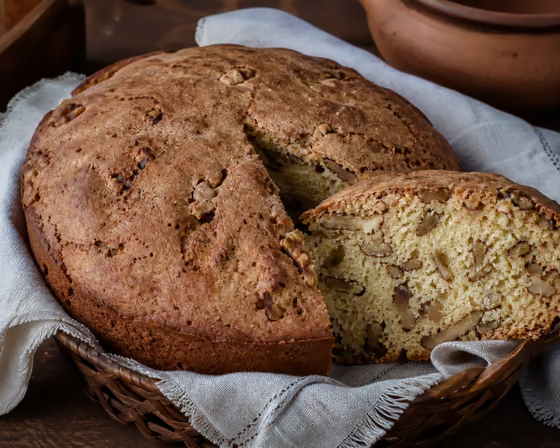 Catalogue image
 Algarve Nut Sweet Bread
An upland sweet bread enriched with olive oil, spices and walnuts or almonds.
The Algarve