Portuguese Heavenly Cream
Also known as: Portuguese Heavenly Cream · Natas do Céu
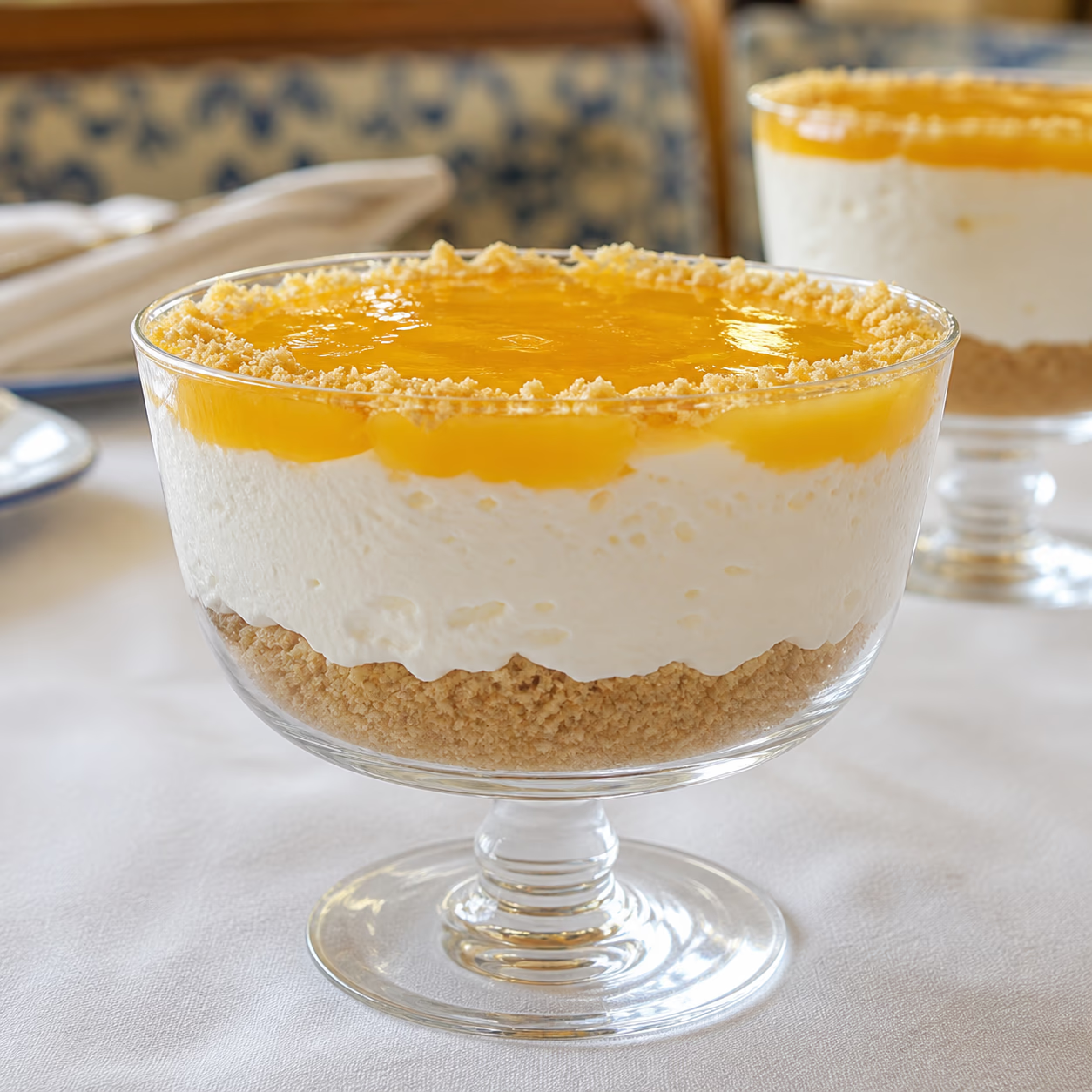
Maria biscuit, a light white cream of whipped cream and egg whites, and a golden crown of egg-yolk cream.
- Origin
- Portugal · nationwide home and restaurant dessert
- Place
- Nationwide
- Region
- Nationwide
- Category
- Puddings & Spoon Sweets
- Season
- Year-round · served well chilled
- Evidence
- Well documented
Natas do Céu is a Portuguese spoon dessert assembled in three parts: crushed Maria biscuit, a fluffy white cream of whipped cream and beaten egg whites, and a glossy yellow egg-yolk cream on top. A clear glass immediately displays the contrast between crumb, cloud and golden custard.
It should be distinguished from Serradura, which repeats layers of biscuit and condensed-milk cream. Traditional Natas do Céu are marked by their yolk topping, adding the intensity characteristic of Portuguese sweet-making.
- Maria biscuits
- Cream
- Eggs
- Sugar
- Water
- Optional cinnamon or citrus peel
Light and milky in the white cream, toasted in the biscuit and intensely rich and sweet in the yolk custard.
Some versions simplify the white layer to whipped cream or add condensed milk; others scent the egg cream with cinnamon, lemon or orange.
In Portuguese restaurants, pastry shops and family homes throughout the country.
Espresso or a small glass of white Port.
Contemporary Portuguese culinary sources present Natas do Céu as a traditional dessert and a national favourite. Its formula combines modern home-pastry staples—whipped cream and Maria biscuits—with Portugal's much older vocabulary of egg-yolk sweets.
The consulted sources do not provide enough evidence to attribute its creation to a convent, region, person or specific date. Its heavenly name and yolk topping imaginatively echo convent sweets, but its verifiable history is chiefly that of a home and restaurant classic spread throughout the country.
Well documented
Identity supported by institutional, specialist or corroborating sources.
- feed.continente.pt/receitas/natas-do-ceu (opens in a new tab)
- feed.continente.pt/receitas/yammi/natas-do-ceu (opens in a new tab)
- teleculinaria.pt/receitas/natas-do-ceu-video/ (opens in a new tab)
Pastries from here — Nationwide
 Catalogue image
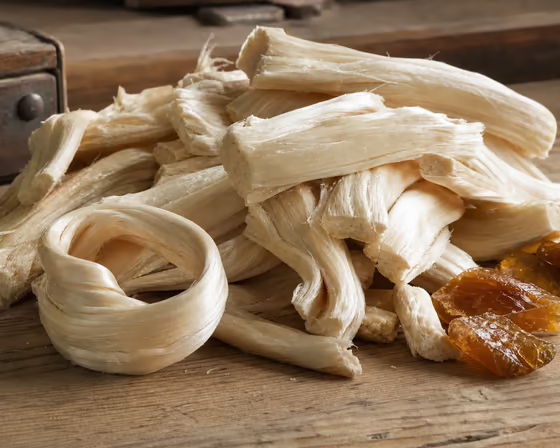
 Alféloa
Sugar or molasses cooked to a hard stage and worked until pale.
Nationwide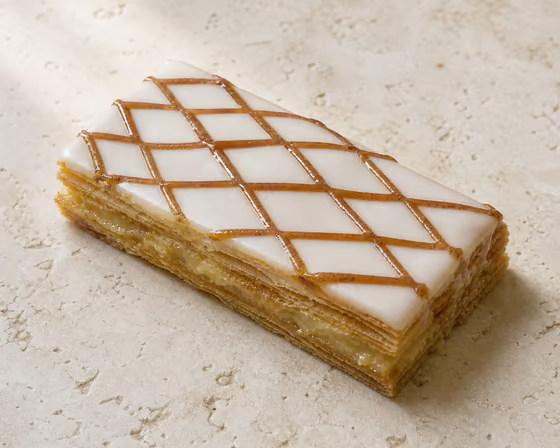 Catalogue image
 Portuguese Gila Allumette
A rectangular puff pastry with cream, gila and cinnamon beneath diamond-patterned royal icing.
Nationwide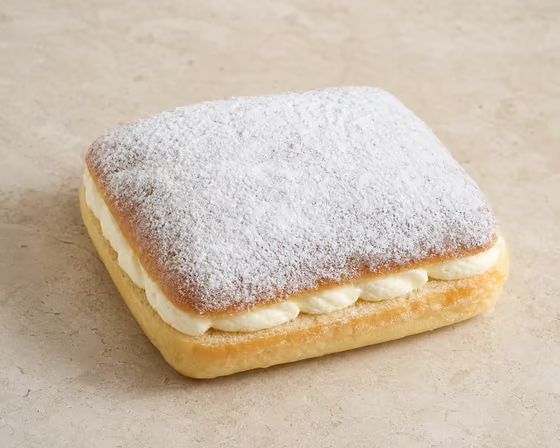 Catalogue image
 Portuguese Brioche Almofada
Light brioche dough, fresh buttercream and icing sugar.
Nationwide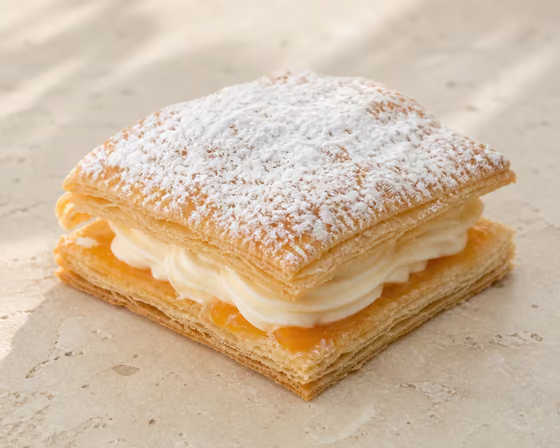 Catalogue image
 Portuguese Puff-Pastry Almofada
Puff pastry with white cream, egg sweet and icing sugar—the laminated Almofada variant.
Nationwide