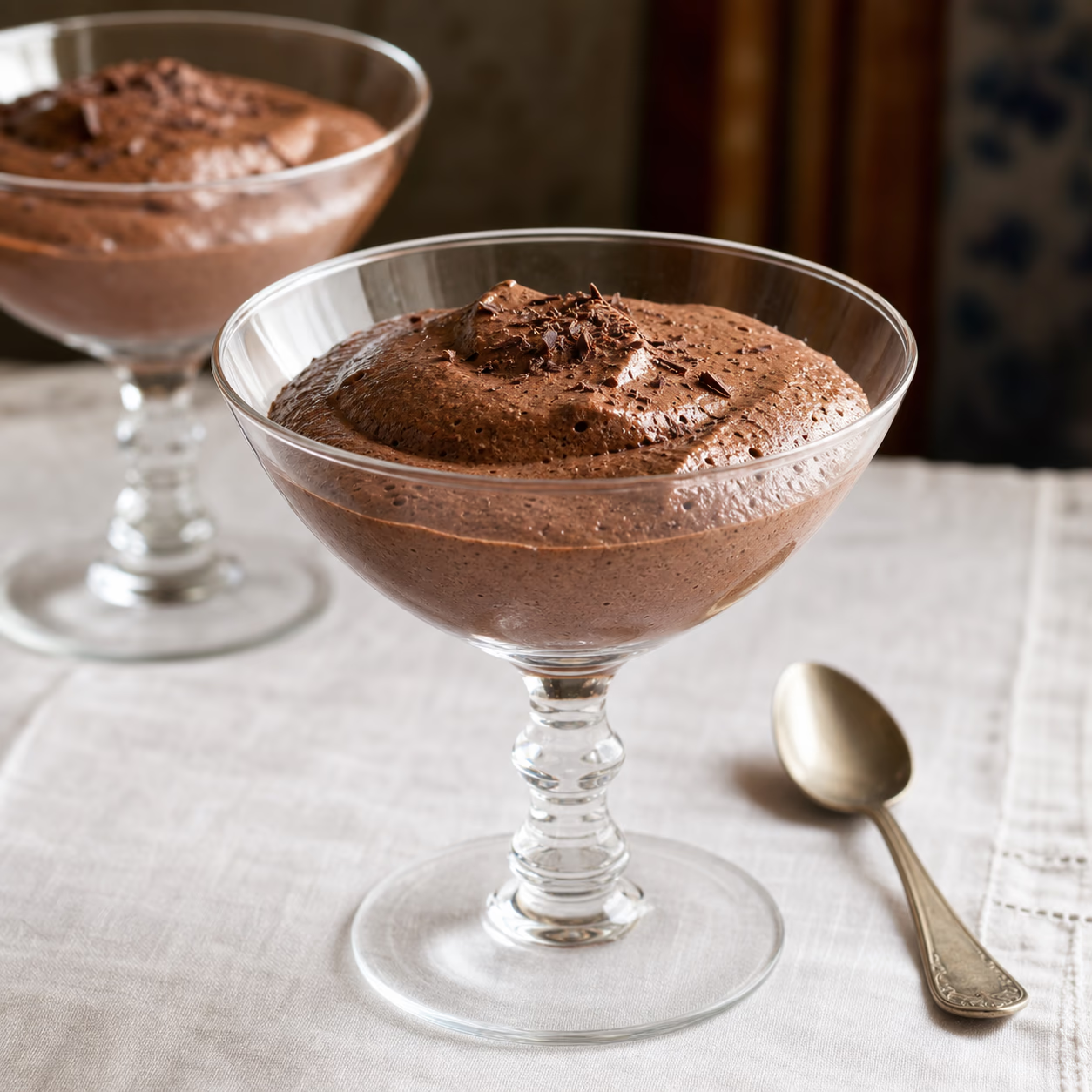
Portuguese-Style Chocolate Mousse
Also known as: Portuguese-Style Chocolate Mousse · Traditional Chocolate Mousse
Dark chocolate, yolks and whipped whites in an intense, airy home-style mousse without cream.
- Origin
- A French-origin dessert fully incorporated into Portuguese cooking
- Place
- Nationwide
- Region
- Nationwide
- Category
- Puddings & Spoon Sweets
- Season
- Year-round · served well chilled
- Evidence
- Limited documentation
The traditional chocolate mousse of Portuguese homes and restaurants relies on a short formula: melted cooking chocolate, separated eggs, sugar and often butter. Yolks provide body while carefully folded whipped whites create the tiny bubbles and light spoonful.
It is not an exclusively Portuguese invention, but it became an everyday national dessert. The most recognisable Portuguese home style uses neither cream nor gelatine: it is intense, airy and gently irregular, served very cold in individual glasses.
- Dark cooking chocolate
- Eggs
- Sugar
- Butter
Intense chocolate, balanced sweetness and a creamy, light texture filled with tiny bubbles.
Cocoa percentage and sugar vary; some versions add coffee, liqueur, cream or chocolate shavings. Classic home mousse uses raw or lightly heated eggs and must be kept refrigerated.
In restaurants, tascas, cafés and family homes throughout Portugal.
Espresso, ruby Port or plain water.
The word and technique of mousse come from French cooking. The Portuguese sources consulted document a widely used present-day home version but do not establish when it entered the national repertoire.
The published recipes repeat the same technical principle: melt chocolate with butter, add yolks and sugar, then fold in whipped egg whites. That formula characterises the version described here without excluding professional preparations based on whipped cream or different proportions.
Limited documentation
The identity is documented, but its origin, composition or availability has limited sourcing.
- teleculinaria.pt/receitas/mousse-de-chocolate-tradicional/ (opens in a new tab)
- feed.continente.pt/receitas/mousse-chocolate (opens in a new tab)
Pastries from here — Nationwide
 Catalogue image
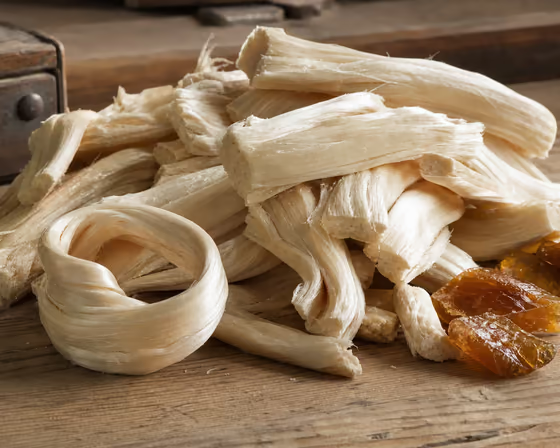
 Alféloa
Sugar or molasses cooked to a hard stage and worked until pale.
Nationwide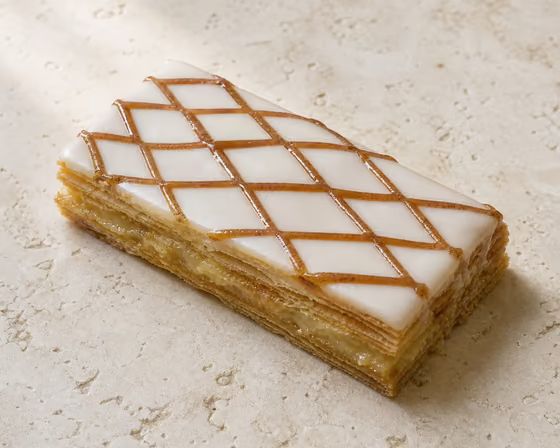 Catalogue image
 Portuguese Gila Allumette
A rectangular puff pastry with cream, gila and cinnamon beneath diamond-patterned royal icing.
Nationwide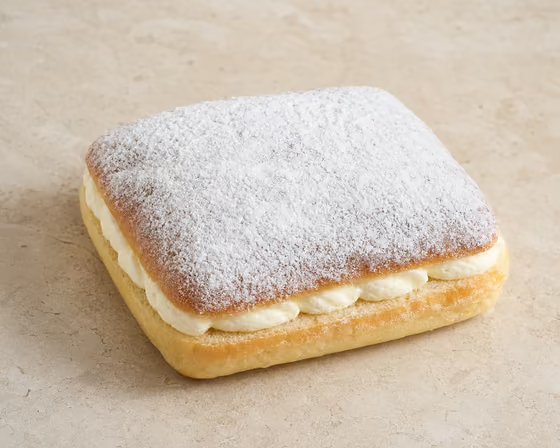 Catalogue image
 Portuguese Brioche Almofada
Light brioche dough, fresh buttercream and icing sugar.
Nationwide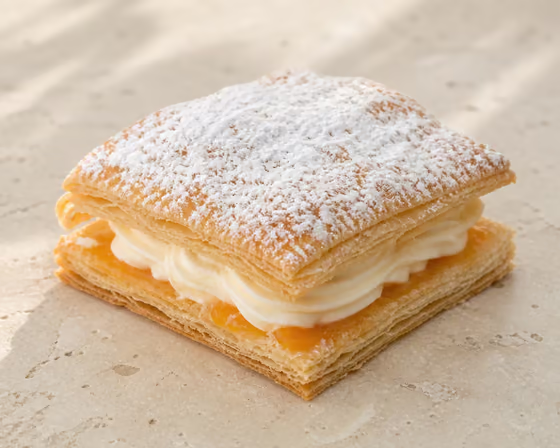 Catalogue image
 Portuguese Puff-Pastry Almofada
Puff pastry with white cream, egg sweet and icing sugar—the laminated Almofada variant.
Nationwide