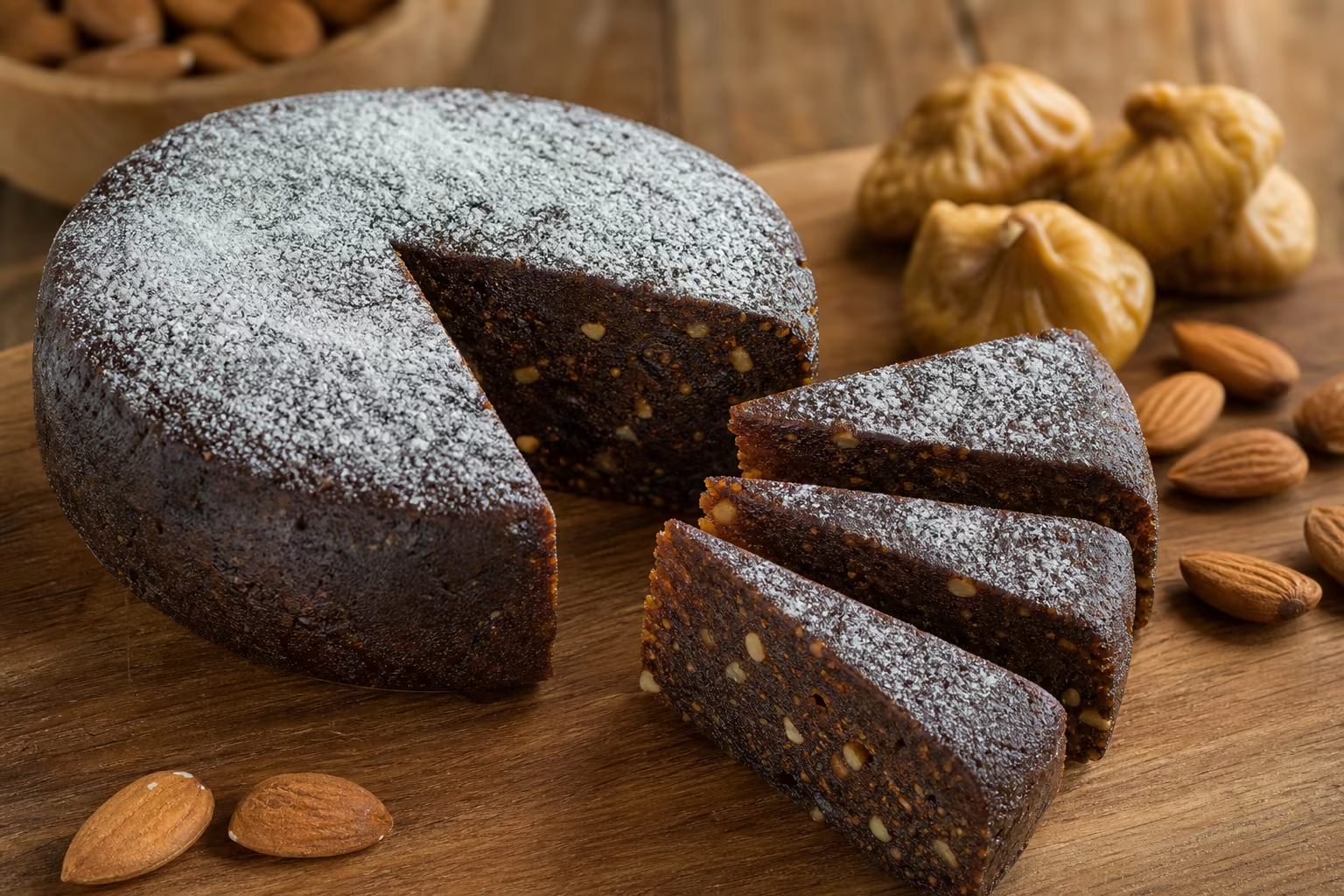
Fig Morgado
Also known as: Fig and Almond Morgado · Algarve fig cheese
Toasted dried fig and almond bound with sugar and chocolate, shaped as a cheese or other figures.
- Origin
- Algarve · tradition documented in nineteenth- and twentieth-century publications; creation date unknown
- Place
- Algarve
- Region
- The Algarve
- Category
- Fruit & Honey Sweets
- Season
- Not stated by the cited sources
- Evidence
- Well documented
DGADR documents Morgado de Figo as a mixture of toasted fig and almond, sugar and powdered chocolate that may also include fennel, lemon zest and cinnamon. The traditional cheese shape is about 10 cm / 3.9 in across, but weight, dimensions and design vary.
In the published method, figs and almonds are toasted and ground separately. A syrup at the traditional ponto de estrada stage receives the aromatics, almonds and then figs; the mixture cools on icing sugar before being shaped. The Algarve Gastronomes' Guild publishes a similar quantified formula with a final sugar icing.
The sources publish no shelf life, serving size or required occasion. Those details depend on formula, hygiene, packaging and producer and are not fixed on this page.
- Dried Algarve figs
- Roasted almonds
- Sugar
- Cocoa powder
- Cinnamon
- Fennel seed
- Lemon zest
- Icing sugar for dusting
The documented composition combines toasted dried fig and almond with sugar, chocolate and aromatics. The consulted sources publish no comparative tasting assessment; flavour and texture vary with grinding, proportions and producer.
The Guild documents versions without fennel, with more lemon zest, with cocoa replacing part of the chocolate, or with untoasted figs. DGADR confirms variation in aromatics and shapes.
DGADR places the product in the Algarve but publishes no current list of makers or retailers. Confirm origin, ingredients, availability and storage directly before buying.
The cited sources publish no traditional or required pairing.
DGADR's record connects the product with historical Algarve references but provides no first recipe; its creation date remains unknown. It cites Silva Lopes concerning figures made with fig, pine nut and almond and records a later observation by Thomaz Cabreira about fig sweets and regional production. These references support documentary continuity, not an inventor or century of invention.
The same record identifies the Algarve as the region and explains the presence of figs through longstanding local production. Cheese, boat, fish, guitar, hen and book are documented as possible shapes. The Moorish or conventual lineage previously asserted on this page is not demonstrated by the cited sources and has been removed.
Well documented
Identity supported by institutional, specialist or corroborating sources.
- tradicional.dgadr.gov.pt/pt/cat/doces-e-produtos-de-pastelaria/190-morgado-de-figo (opens in a new tab)
- cgalgarve.com/receitas/algarve027.html (opens in a new tab)
- algarvetastingbasket.com/en/fig-and-almond-cheese-from-algarve/ (opens in a new tab)
- catalogoagrotur.pt/produto/morgado-de-figo (opens in a new tab)
Pastries from here — The Algarve
 Catalogue image
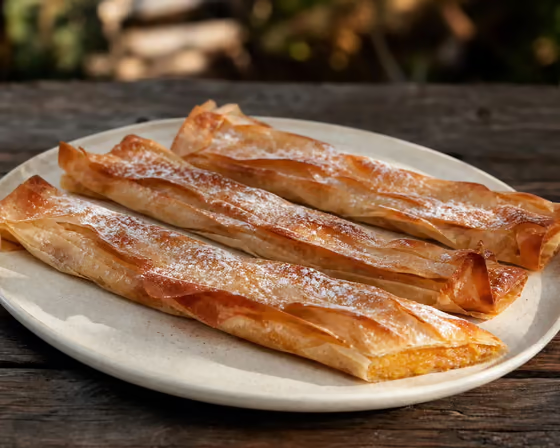
 Aljezur Sweet-Potato Pillows
A long pillow of crisp pastry leaves wrapped around Aljezur sweet potato.
The Algarve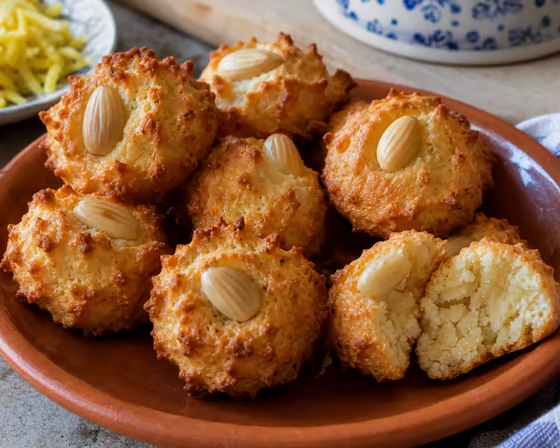 Catalogue image
 Almond Spiky Biscuits
Bristling peaks of almond, lemon and egg white, crisp outside and soft at the centre.
The Algarve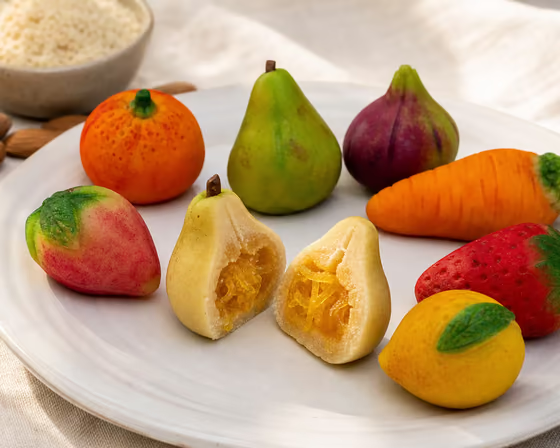 Catalogue image
 Silves Almond Sweets
Algarve figures hand-shaped and painted in almond paste.
The Algarve Catalogue image
 Algarve Nut Sweet Bread
An upland sweet bread enriched with olive oil, spices and walnuts or almonds.
The Algarve