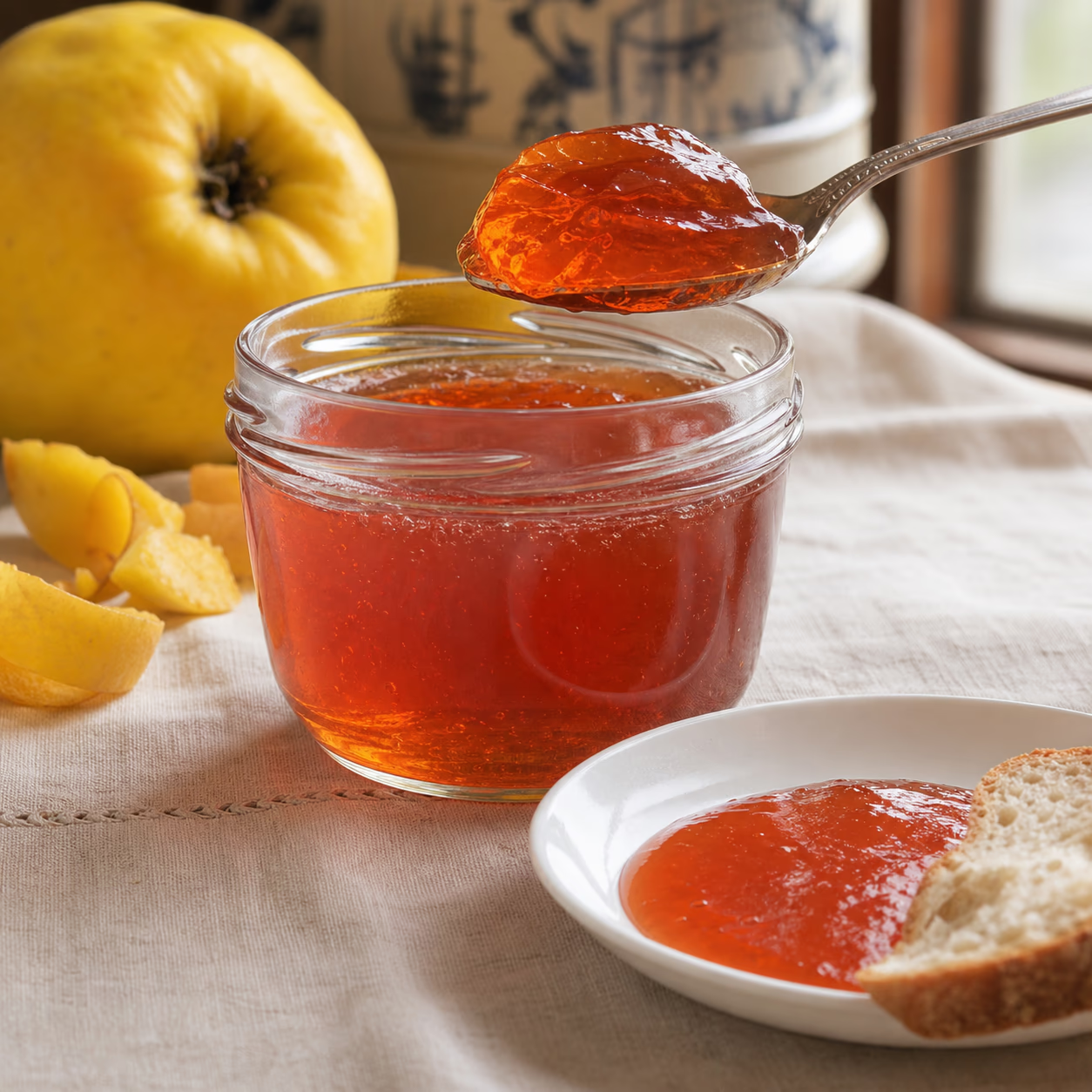
Portuguese Quince Jelly
Also known as: Portuguese Quince Jelly · Quince-Peel Jelly
A translucent ruby jelly made from pectin-rich quince peel, cores and cooking liquid.
- Origin
- Portugal · home preserve associated with marmelada-making
- Place
- Portugal
- Region
- Nationwide
- Category
- Fruit & Honey Sweets
- Season
- Year-round · traditionally prepared in autumn
- Evidence
- Well documented
Geleia de Marmelo is a transparent, quivering Portuguese preserve made from quince cooking liquid—traditionally including peel and cores, parts especially rich in pectin—strained and cooked with sugar. As it cools, it develops a soft gel texture and a colour ranging from amber to ruby.
It is distinct from marmelada: the latter incorporates flesh and becomes an opaque, firm, sliceable paste; jelly contains no fruit pieces, transmits light and spreads from a spoon. Together the two preparations use almost the entire quince during the autumn harvest.
- Quince peel and cores or whole quinces
- Water
- Sugar
- Optional lemon
Sweet, floral and gently tart, with a soft gel texture and pure quince aroma.
Colour and firmness depend on variety, sugar ratio and cooking time. Some recipes add lemon for acidity and a firmer set.
At markets, regional-product shops, Odivelas producers and homes making marmelada in autumn.
Bread, toast, fresh cheese, requeijão or tea.
Quince jelly comes from the same household economy as marmelada. Instead of discarding peel, cores and cooking water, their natural pectin produces a second preserve. This extends use of the fruit and reduces waste.
Geleia de Marmelo also appears in Odivelas municipality's product catalogue alongside other quince specialities, demonstrating the preparation's commercial continuity. It is not exclusive to the municipality, although Odivelas has an especially well-documented connection to quince sweets.
Well documented
Identity supported by institutional, specialist or corroborating sources.
- feed.continente.pt/receitas/yammi/marmelada (opens in a new tab)
- cm-odivelas.pt/cmodivelas/uploads/writer_file/document/4534/catalogo_de_produtos.pdf (opens in a new tab)
Pastries from here — Nationwide
 Catalogue image
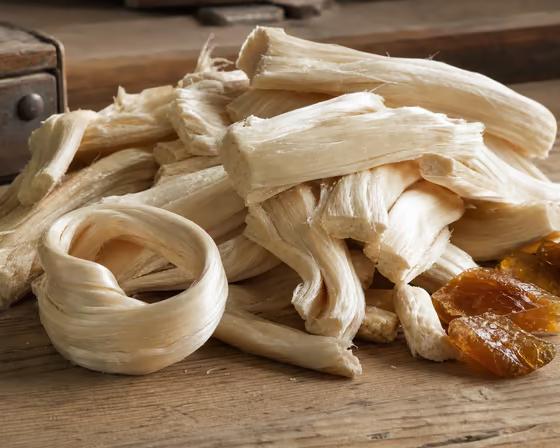
 Alféloa
Sugar or molasses cooked to a hard stage and worked until pale.
Nationwide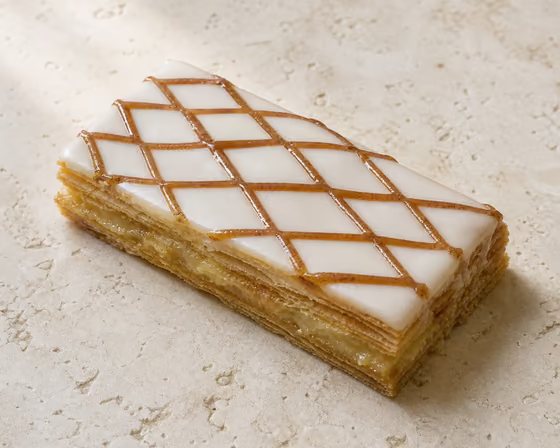 Catalogue image
 Portuguese Gila Allumette
A rectangular puff pastry with cream, gila and cinnamon beneath diamond-patterned royal icing.
Nationwide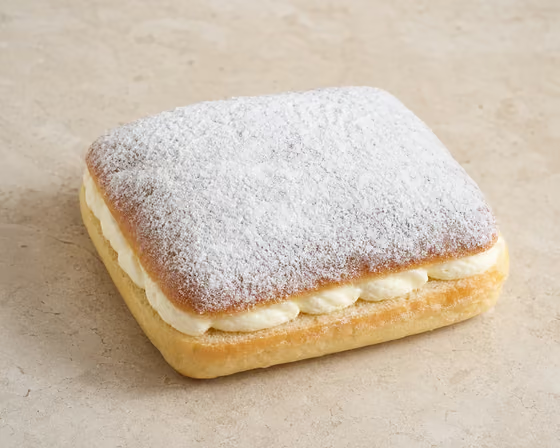 Catalogue image
 Portuguese Brioche Almofada
Light brioche dough, fresh buttercream and icing sugar.
Nationwide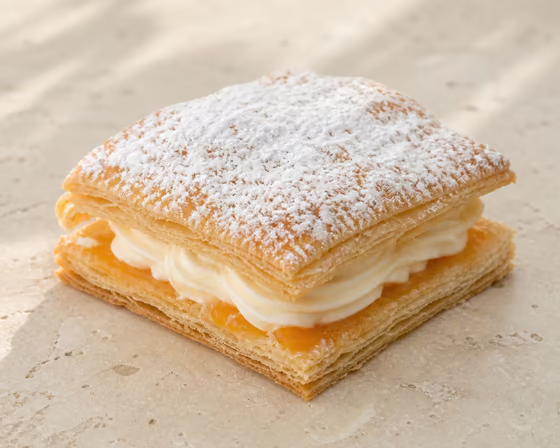 Catalogue image
 Portuguese Puff-Pastry Almofada
Puff pastry with white cream, egg sweet and icing sugar—the laminated Almofada variant.
Nationwide