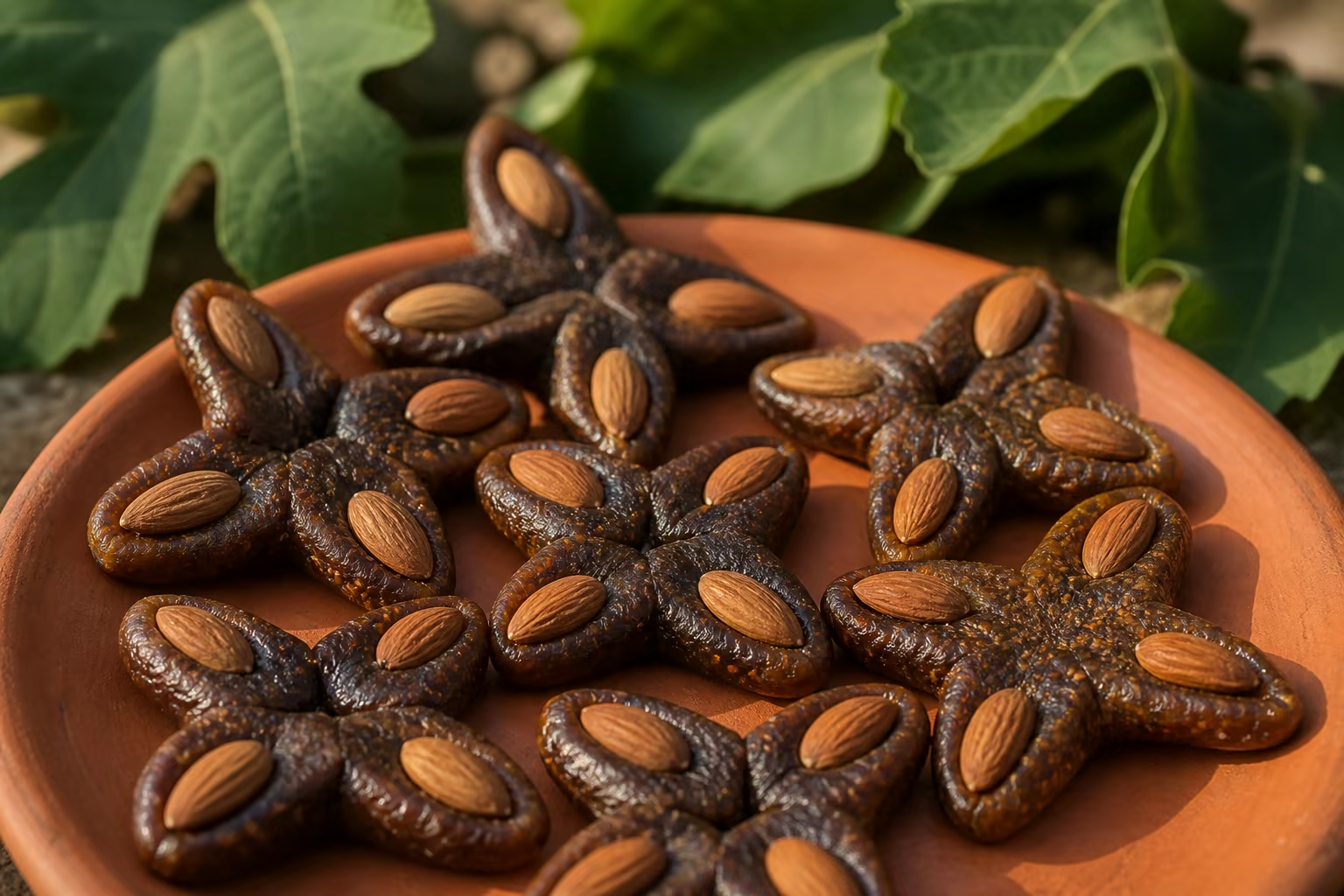
Fig Stars
Also known as: Fig stars with almonds · Fig-and-almond stars
Two dried figs opened into stars, held with almonds and toasted.
- Origin
- The Algarve; a traditional product of unknown exact origin and date, associated by DGADR with All Saints’ Day.
- Place
- Lagos
- Region
- The Algarve
- Category
- Fruit & Honey Sweets
- Season
- Traditionally All Saints’ Day; now year-round
- Evidence
- Well documented
DGADR describes dried figs of the regional Cotio variety, flattened and opened with four cuts running from the edge toward the centre. An almond is placed at each point, a second identically cut fig covers the first, and the assembly is toasted in the oven. Each piece is about 4–5 centimetres / 1.6–2 inches across and becomes dark golden; the fig may be scented with fennel.
A formula collected in Santa Rita and published by CCDR Algarve in 2005 uses thirty dried white figs, one kilogram / 2.2 pounds of skinned almonds and two tablespoons of chocolate powder for fifteen pieces. Chocolate belongs to that documented version, not DGADR’s minimum definition.
- Dried Cotio figs in DGADR’s definition
- Almonds
- Optional fennel in the official definition
- Chocolate powder in the Santa Rita formula
The official identity combines toasted dried fig and almond, with a dark-golden colour produced by roasting. No more specific institutional sensory analysis was found.
DGADR allows fig scented with fennel. The Santa Rita collection uses chocolate powder between the two figs, while other published formulas omit chocolate; those details should remain attributed to their respective versions.
DGADR records year-round preparation and sale in the Algarve, while Lagos Municipal Photo Archive documents them as a typical sweet. The reviewed sources provide no current producer directory.
Neither the identity sources nor the Santa Rita formula fixes an accompanying drink.
DGADR relates the product to the long keeping qualities of figs and almonds and their value as winter food. It also records that Café Arcada, described only as founded ‘at the beginning of the century’ in the 2001 source, sold stars ordered from regional sweet makers.
The official source says they were traditionally made and eaten for All Saints’ Day and are now prepared throughout the year. It identifies neither the century meant, an inventor, nor a first recipe, so the exact chronology remains unknown. Lagos Municipal Photo Archive confirms the current association with the Algarve and 1 November.
Well documented
Identity supported by institutional, specialist or corroborating sources.
- tradicional.dgadr.gov.pt/pt/cat/frutos-secos-secados-e-similares/299-estrelas-de-figo (opens in a new tab)
- ccdr-alg.pt/site/sites/ccdr-alg.pt/files/publicacoes/livro_gastronomia.pdf (opens in a new tab)
- fototeca.cm-lagos.pt/gastronomia/estrelas-de-figo (opens in a new tab)
Pastries from here — The Algarve
 Catalogue image
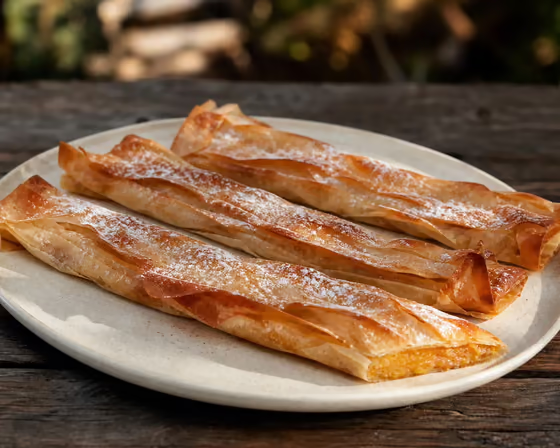
 Aljezur Sweet-Potato Pillows
A long pillow of crisp pastry leaves wrapped around Aljezur sweet potato.
The Algarve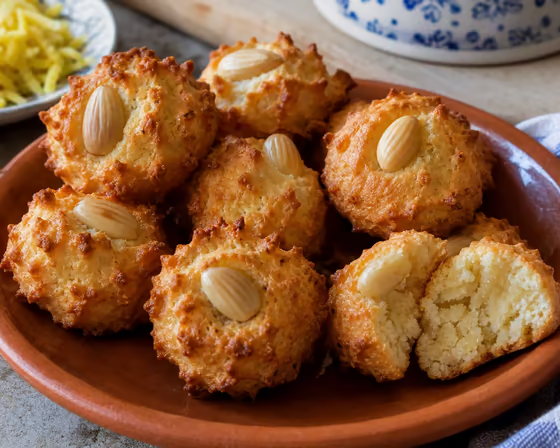 Catalogue image
 Almond Spiky Biscuits
Bristling peaks of almond, lemon and egg white, crisp outside and soft at the centre.
The Algarve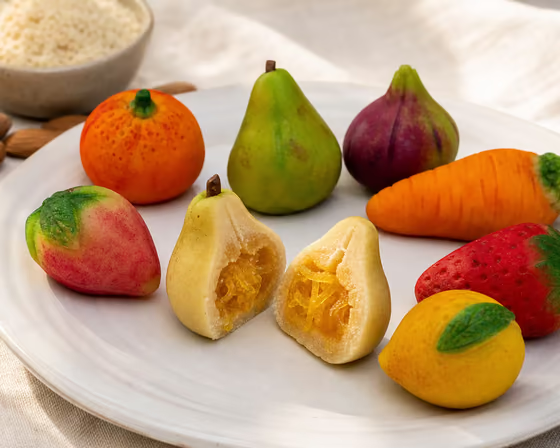 Catalogue image
 Silves Almond Sweets
Algarve figures hand-shaped and painted in almond paste.
The Algarve Catalogue image
 Algarve Nut Sweet Bread
An upland sweet bread enriched with olive oil, spices and walnuts or almonds.
The Algarve