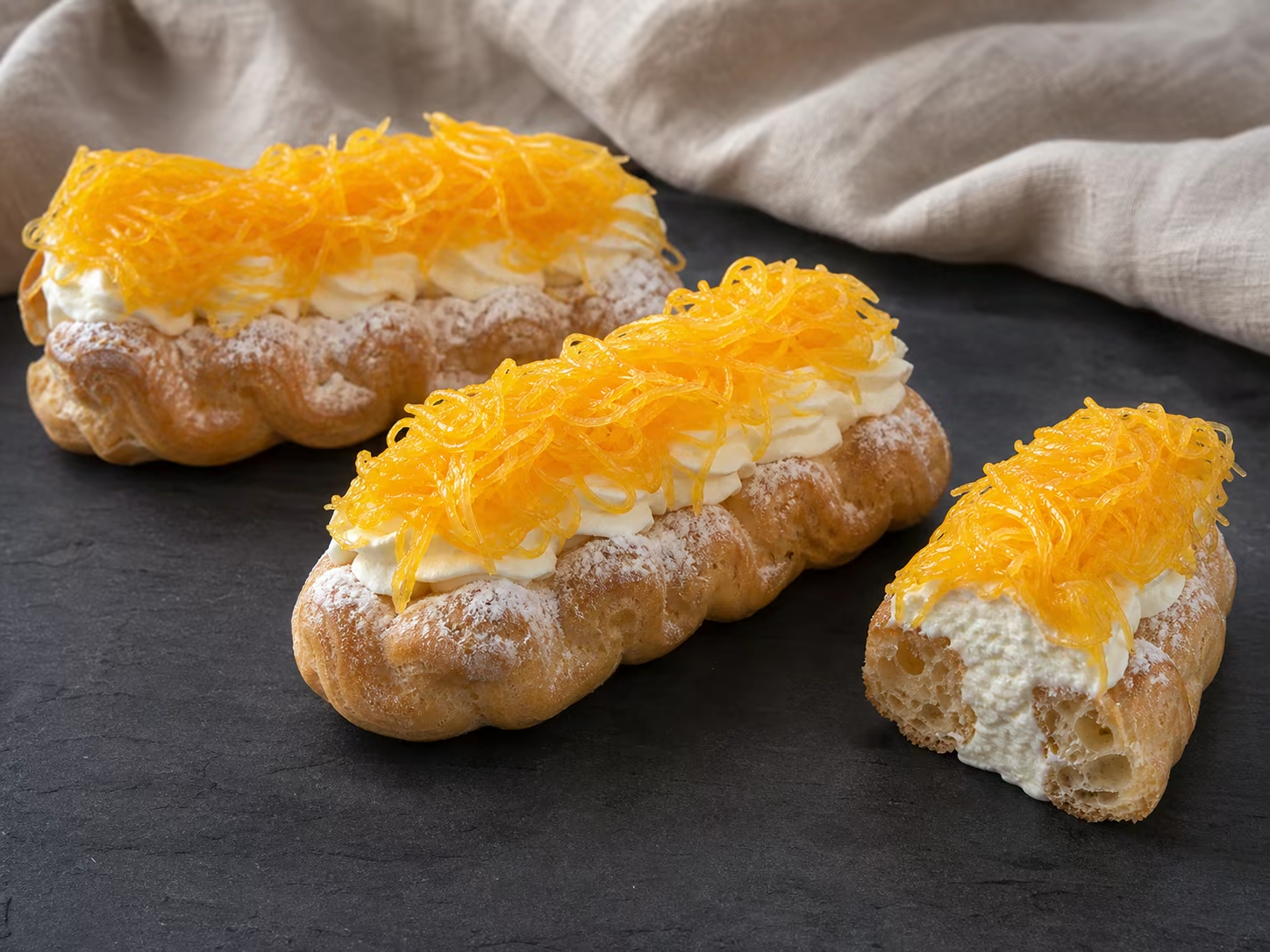
Portuguese Duchesse Choux
Also known as: Portuguese Duchesse pastry · Duchesse with fios de ovos · Portuguese cream-filled choux pastry
Elongated choux opened for chantilly and crowned with golden egg threads.
- Origin
- Portuguese choux-pastry tradition · creator and date not established
- Place
- Portugal
- Region
- Nationwide
- Category
- Custards & Creams
- Season
- Year-round
- Evidence
- Well documented
The Portuguese Duchesse is an elongated choux cake, usually piped as a row of connected lobes. Once baked and opened, the hollow shell is filled with chantilly; more cream and a nest of golden fios de ovos complete the reference presentation. Icing sugar or a thin caramel finish may be added to the shell.
It shares its base technique with an éclair, but in Portuguese usage it is not simply another name for the same cake. Duchesse is distinguished by its scalloped choux profile, generous chantilly and, above all, the sweet egg threads that adapt the French choux family to the visual and flavour vocabulary of Portuguese pastry.
- Choux pastry: water or milk, butter, flour and eggs
- Whipped-cream chantilly
- Fios de ovos, or sweet egg threads
- Icing sugar or caramel, depending on the version
- Salt and sugar for seasoning the dough
Light and airy in the shell, cool and milky in the chantilly, with the concentrated sweetness and silky texture of egg threads. Caramel adds crispness and a faint bitterness; icing sugar produces a more delicate finish.
The traditional finish may alternate between icing sugar and caramel. Fabrico Próprio records decorations with fresh or preserved fruit, especially strawberry and pineapple, and some bakeries use pastry cream alongside chantilly. XXL, circular, number-shaped and letter-shaped versions exist, but the elongated individual cake with egg threads remains the reference model.
Pastéis de Belém currently keeps Duchesse on its menu. Leitaria da Quinta do Paço sells a version with artisanal chantilly and egg threads in Porto; Doce Alto lists “Duchese c/ Fios Ovos”; and Supermercado Apolónia carries it in the Algarve. It also appears in the offer of Lisbon’s Pastelaria Suíça. Check same-day availability because it contains fresh cream.
Espresso or unsweetened black tea.
No reliable source found identifies the inventor, original bakery or date when this version entered Portuguese pastry shops. The name may derive from French duchesse, but Fabrico Próprio’s own research could not connect it to a specific aristocratic etymology.
Its Portuguese integration is nevertheless well documented. Fabrico Próprio includes it among the archetypes of national semi-industrial pastry; the Priberam dictionary defines duchesse as an elongated cake filled with chantilly and sometimes covered with egg threads; and multiple bakeries continue to sell it. It is therefore best understood as an enduring Portuguese adaptation of choux pastry, not a conventual invention or a speciality exclusive to one city.
Well documented
Identity supported by institutional, specialist or corroborating sources.
- fabricoproprio.net/enciclopedia/duchesse/ (opens in a new tab)
- 24kitchen.pt/receita/duchesse (opens in a new tab)
- dicionario.priberam.org/duchese (opens in a new tab)
- pasteisdebelem.pt/menu/ (opens in a new tab)
- leitariadaquintadopaco.com/produtos/duchesse-fios-de-ovos-2/ (opens in a new tab)
- docealto.pt/inicio/2659--duchese-c-fios-ovos-un.html (opens in a new tab)
- apolonia.com/pt/catalogo/93025/bolo-duchese-115g/ (opens in a new tab)
Pastries from here — Nationwide
 Catalogue image
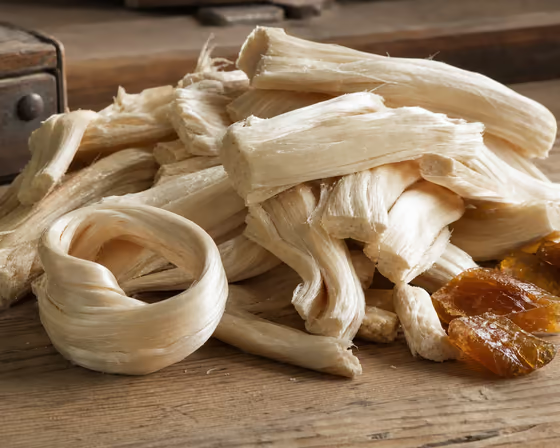
 Alféloa
Sugar or molasses cooked to a hard stage and worked until pale.
Nationwide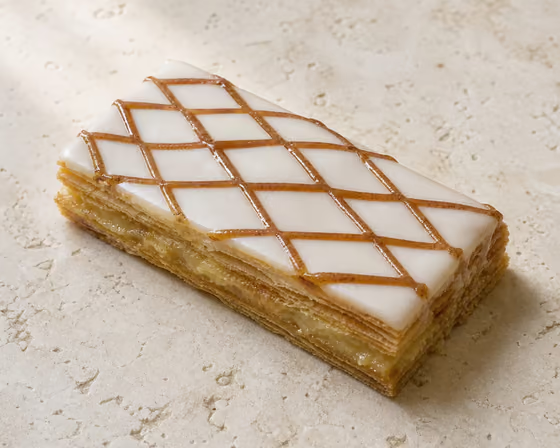 Catalogue image
 Portuguese Gila Allumette
A rectangular puff pastry with cream, gila and cinnamon beneath diamond-patterned royal icing.
Nationwide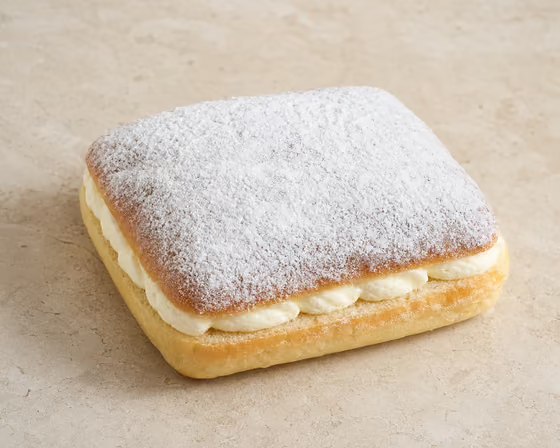 Catalogue image
 Portuguese Brioche Almofada
Light brioche dough, fresh buttercream and icing sugar.
Nationwide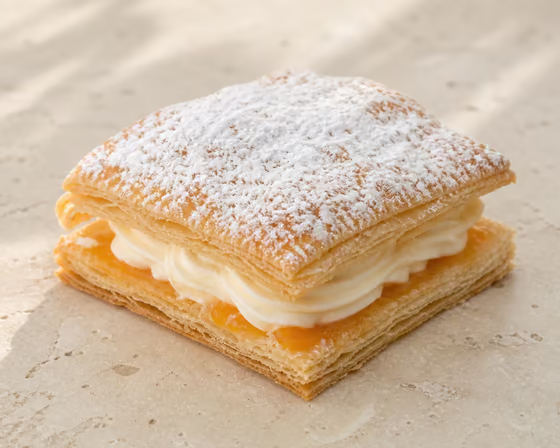 Catalogue image
 Portuguese Puff-Pastry Almofada
Puff pastry with white cream, egg sweet and icing sugar—the laminated Almofada variant.
Nationwide