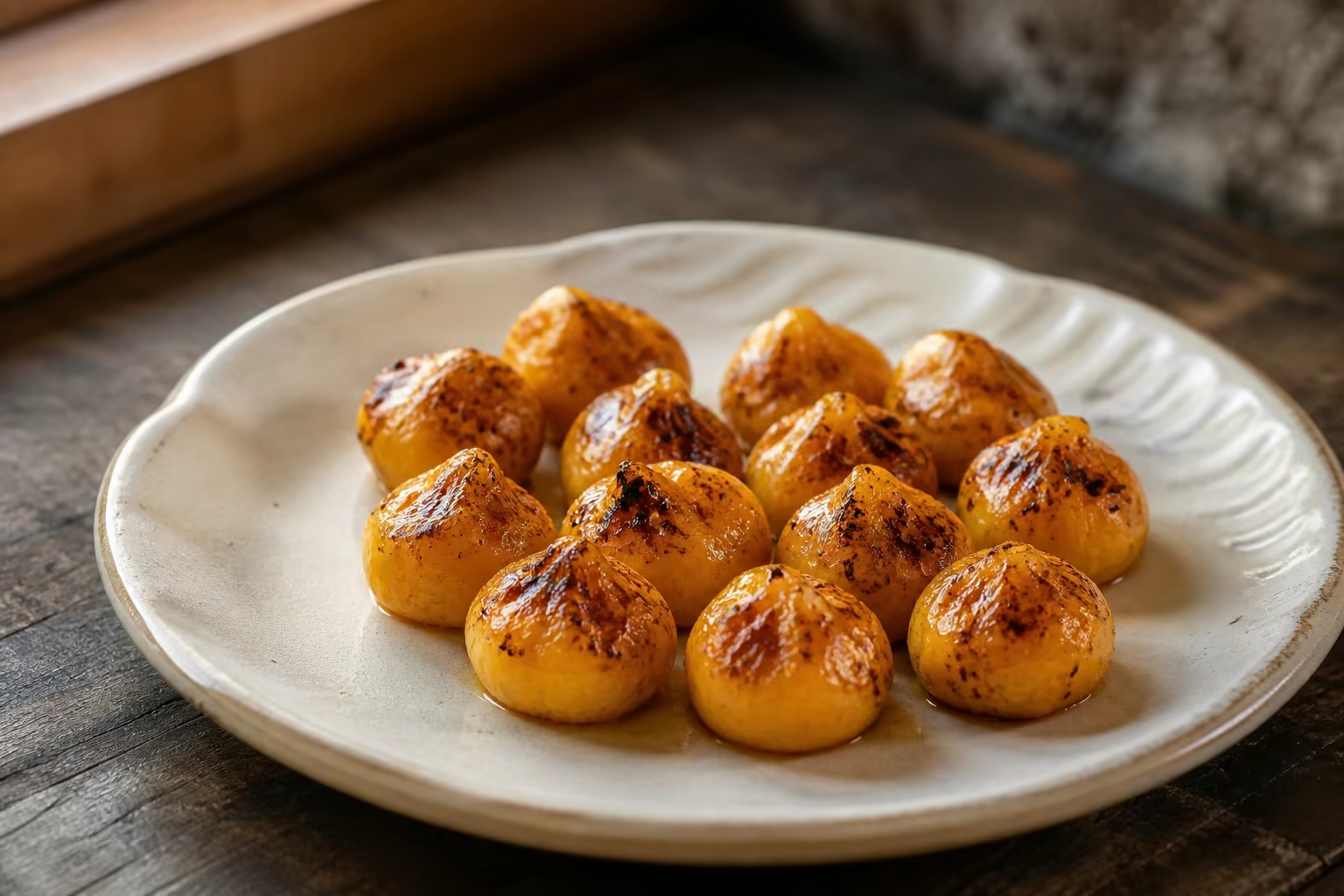
Arouca Sweet Chestnut
Also known as: Arouca Sweet Chestnuts · Chestnut-shaped almond sweets
A small convent sweet of almond, egg yolk and sugar, shaped and toasted to resemble a chestnut.
- Origin
- Arouca · Aveiro district
- Place
- Arouca
- Region
- The North
- Category
- Convent Sweets
- Season
- Year-round; traditional at Christmas, Easter and Saint Mafalda's feast
- Evidence
- Well documented
Castanha Doce de Arouca contains no chestnut: it is a tiny piece of almond, egg-yolk and sugar paste, shaped by hand into the fruit's rounded body and characteristic point. A brush of yolk and brief exposure to a hot oven create toasted patches that complete the illusion.
The sweet traditionally weighs about 10 grams. Its interior remains paste-like yet firm, rich with almond and egg; outside it has a smooth, glossy skin mottled with brown.
- ground almonds
- egg yolks
- sugar
- water
- flour for shaping
Very sweet and intensely almond-flavoured, with rich yolk and toasted notes on the surface.
Size, depth of browning and definition of the pointed tip vary between makers; the chestnut shape and almond-yolk base remain constant.
At convent-sweet shops in central Arouca and showcases devoted to the municipality's sweets.
Espresso or unsweetened black tea.
The recipe belongs to the convent-sweet tradition associated with the Bernardine nuns of Arouca Monastery. Local tradition links castanhas doces with Christmas, Easter and the feast of Queen Saint Mafalda; today they are a permanent speciality of Arouca's sweet shops. Portugal's DGADR includes the product in its national inventory of traditional sweets.
Well documented
Identity supported by institutional, specialist or corroborating sources.
- tradicional.dgadr.gov.pt/pt/cat/doces-e-produtos-de-pastelaria (opens in a new tab)
- aroucageopark.pt/gastronomia-e-vinhos/ (opens in a new tab)
- atahca.pt/ficheiros/Livro_Sabores%20Contados_2015.pdf (opens in a new tab)
Pastries from here — The North
 Catalogue image
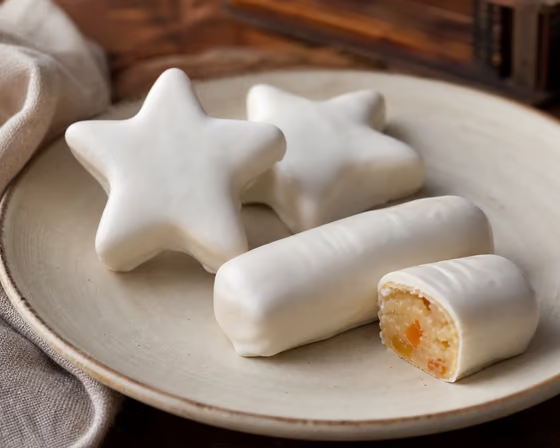
 A Bella Queijadinha de Barcelos
A white star of almond, preserved fruit and family memory.
The North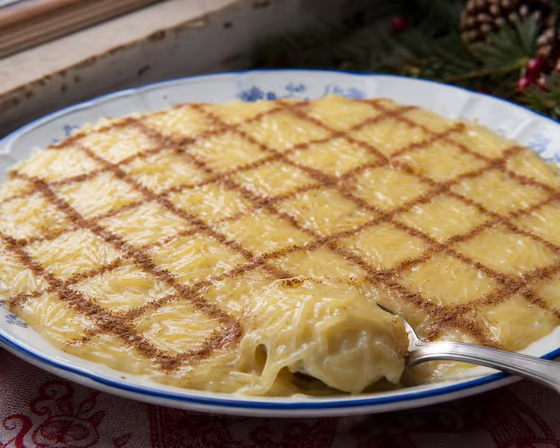 Catalogue image
 Sweet Vermicelli
Fine wheat threads simmered in milk and yolk, scored with cinnamon.
The North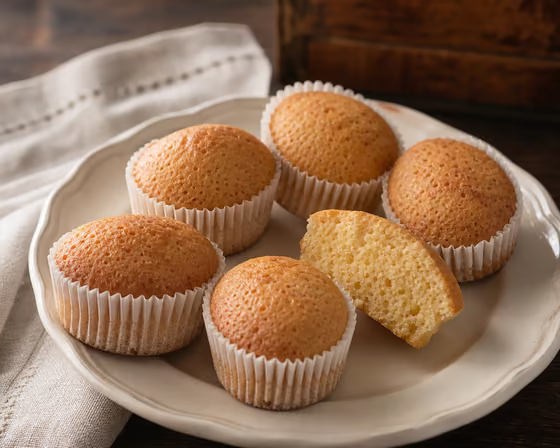 Catalogue image
 Amarantinos
Small egg, lemon and cinnamon cakes whose historical identity is not told consistently by the sources.
The North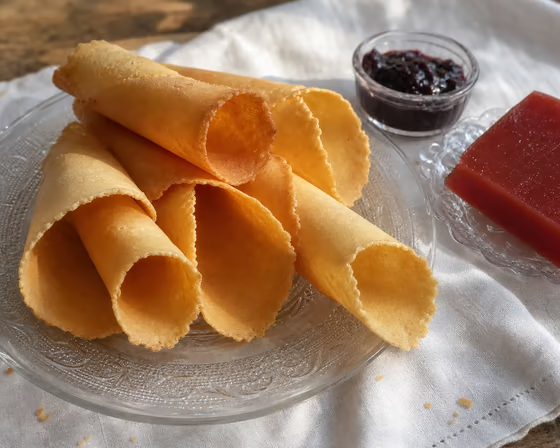 Catalogue image
 Vieira do Minho Cone Wafers
Paper-thin crisp wafers, iron-baked and rolled by hand while still hot.
The North