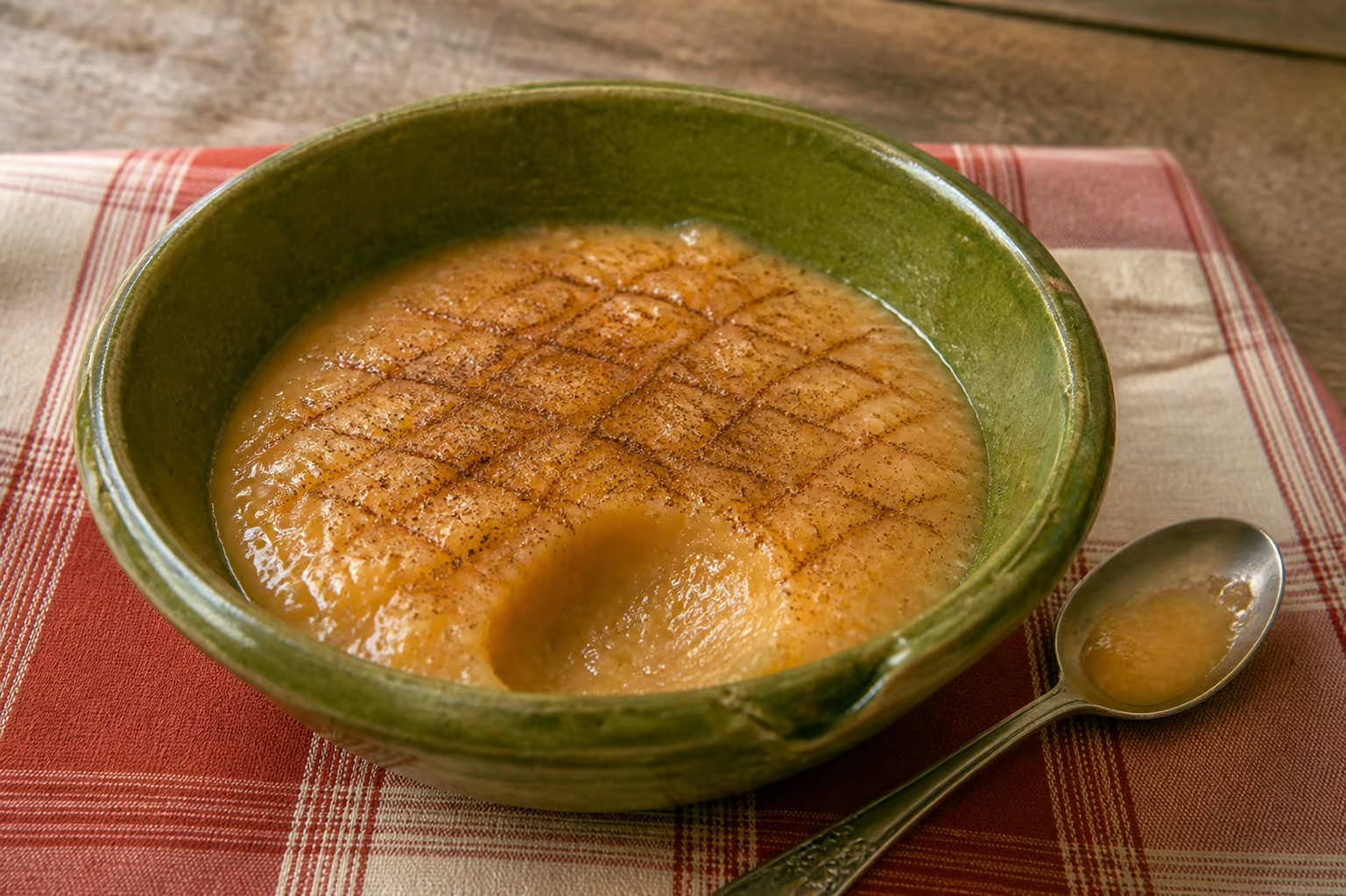
Arouca Nun's Belly
Also known as: Arouca Nun's Belly · Little Nuns' Bellies
Arouca's thick convent sweet of eggs, bread and almonds.
- Origin
- Arouca, from the confectionery tradition of the former Convent of Santa Mafalda
- Place
- Arouca
- Region
- The North
- Category
- Convent Sweets
- Season
- Year-round
- Evidence
- Well documented
Barriga de Freira de Arouca is a thick yellow spoon sweet made with eggs, sugar, almonds, bread and water, then finished with cinnamon. It may be served in bowls and is also sold in small metal boxes or glass jars.
Portugal's Directorate-General for Agriculture and Rural Development records this version specifically in Arouca and gives Barriguinhas de Freira as an alternative name. It should not be confused with the Barrigas de Freira of Tentúgal: despite the shared name, the Tentúgal record describes a pastry with a creamy filling, not this spoon dessert.
- Eggs
- Sugar
- Almonds
- Crumbled bread
- Water
- Cinnamon
A dense spoon dessert led by egg and almond, with bread adding body and cinnamon scenting the finish.
Barriga de Freira does not identify one Portuguese formula. Arouca has this spoon cream; DGADR's Tentúgal record describes a flour, lemon, butter and cinnamon pastry with an egg, sugar and almond filling. They are distinct local traditions.
Look for it at convent-sweet producers in Arouca. DGADR records presentation in bowls, small metal boxes or glass jars and consumption as a dessert, especially on feast days; confirm current availability directly with the producer.
Serve a small portion; unsweetened coffee helps balance the dessert's intensity.
DGADR places the sweet within the tradition of the Bernardine nuns of Arouca's former Convent of Santa Mafalda. Its record says the convent sweets were given to civil and religious dignitaries and later sold after their reputation spread beyond the convent walls. Following the dissolution of the religious orders, the recipes were reportedly recovered mainly through lay women who had lived in the convent.
That is the documented history of the Arouca version. The same name is attached to different preparations elsewhere, so this local tradition should not be presented as a single nationwide recipe.
Well documented
Identity supported by institutional, specialist or corroborating sources.
- tradicional.dgadr.gov.pt/pt/cat/doces-e-produtos-de-pastelaria/754-barriga-de-freira-de-arouca (opens in a new tab)
- tradicional.dgadr.gov.pt/pt/cat/doces-e-produtos-de-pastelaria/722-barrigas-de-freira (opens in a new tab)
- visit-arouca.com/delicie-se-com-os-doces-conventuais-de-arouca/ (opens in a new tab)
Pastries from here — The North
 Catalogue image
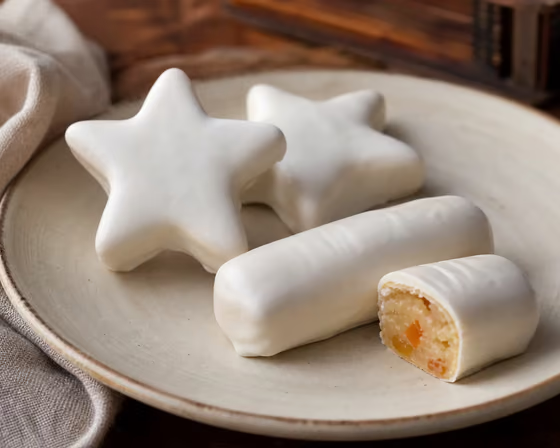
 A Bella Queijadinha de Barcelos
A white star of almond, preserved fruit and family memory.
The North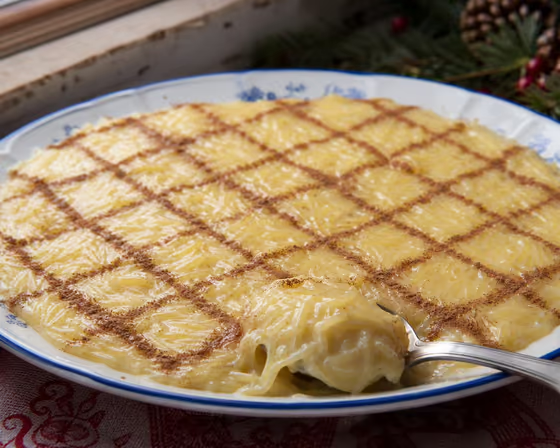 Catalogue image
 Sweet Vermicelli
Fine wheat threads simmered in milk and yolk, scored with cinnamon.
The North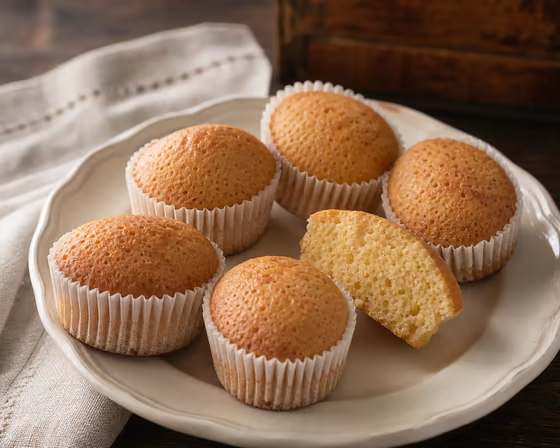 Catalogue image
 Amarantinos
Small egg, lemon and cinnamon cakes whose historical identity is not told consistently by the sources.
The North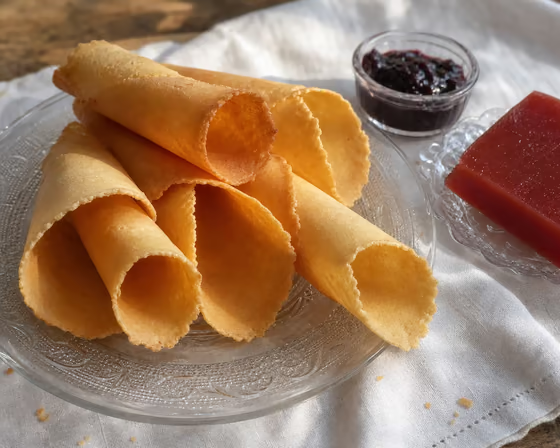 Catalogue image
 Vieira do Minho Cone Wafers
Paper-thin crisp wafers, iron-baked and rolled by hand while still hot.
The North