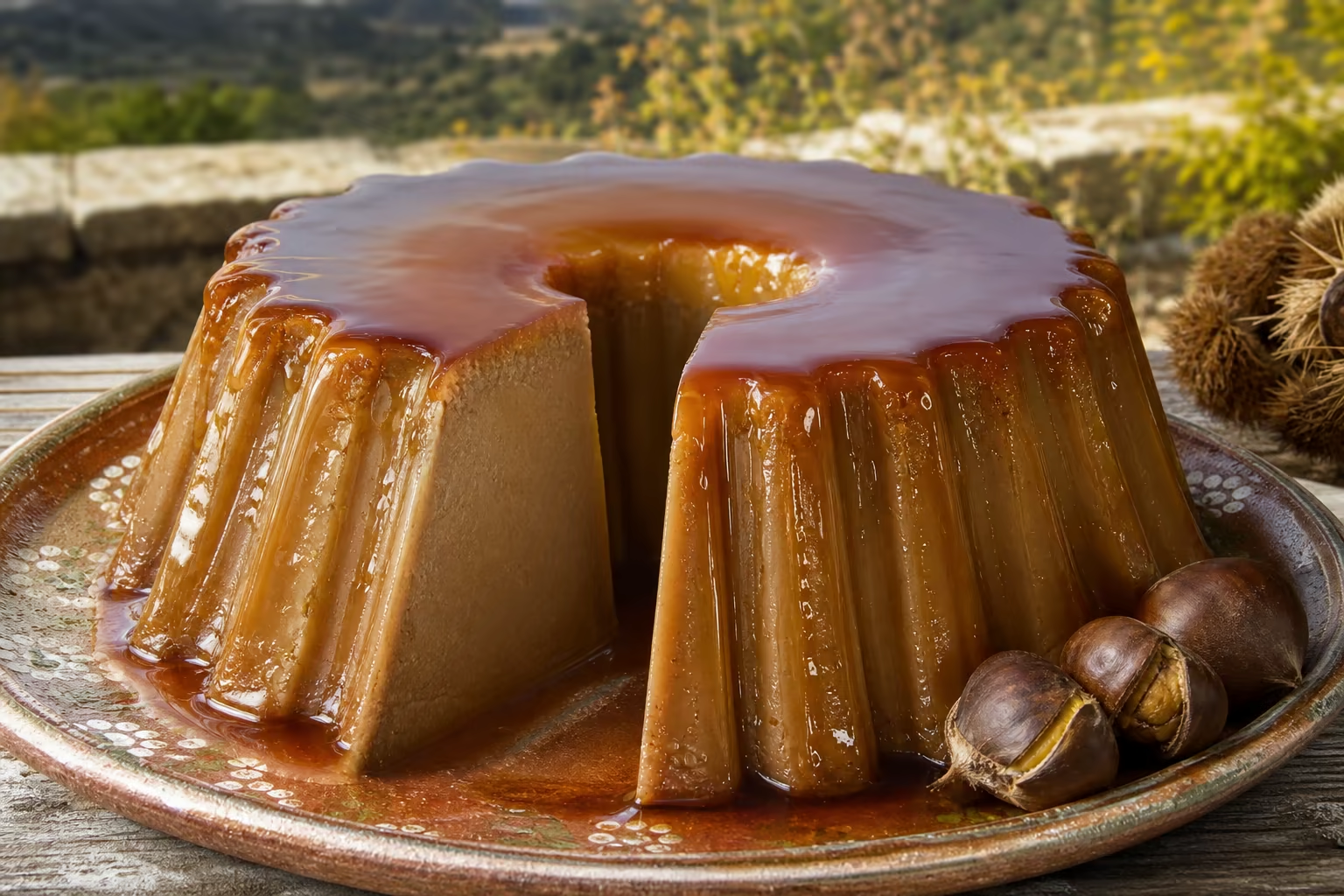
Bragança Chestnut Pudding
The formula published by Bragança municipality turns 500 g of sieved chestnut purée into a baked pudding without caramel, enriched with yolks, whipped whites, cinnamon and vinho fino branco. The source gives no temperature, baking time or serving count, so those details honestly remain open.
- Yields
- 1 pudding
- Prep
- Not stated by the source
- Cook
- Not stated by the source
Ingredients
- enough to yield 500 g cooked, sieved purée Chestnuts
- 1/2 cup Milk
- 4 tbsp, plus extra for the mould Butter
- 2 cups Sugar
- 1 tsp Ground cinnamon
- 2 tbsp Vinho fino branco, such as white Port
- 8 Egg yolks
- 4 Egg whites
- as needed Flour, for dusting the mould
- a pinch of each, for boiling the chestnuts Salt and fennel seed (optional)
- as needed Whole cooked chestnuts, to decorate
Method
Boil the chestnuts in water until completely tender. If desired, add a pinch each of salt and fennel seed, as allowed by the municipal recipe.
Peel them while still warm, removing the inner skin as well. Reserve a few whole chestnuts for decoration.
Purée the remaining chestnuts and push the purée through a sieve until very fine. Weigh exactly 500 g.
Mix the purée with the milk, 4 tablespoons butter, sugar, cinnamon, vinho fino branco and 8 yolks until even.
Whisk the 4 egg whites to firm peaks and fold them gently into the mixture without losing too much volume.
Grease a pudding mould with butter and dust it with flour. Pour in the mixture and level the surface.
Bake until the pudding is cooked through and firm. The municipal publication supplies neither temperature nor duration; monitor the bake and test the centre rather than presenting an editorial estimate as source data.
Let it settle before unmoulding onto a plate. Decorate with the reserved whole chestnuts and serve.
Sources for this recipe
The quantities and method were checked against the references below. Family recipes may vary; where no single official formula exists, we present a representative practical version and say so plainly.
Read the editorial policy →