Vidigueira Folhados — Alentejo Formula with Gila
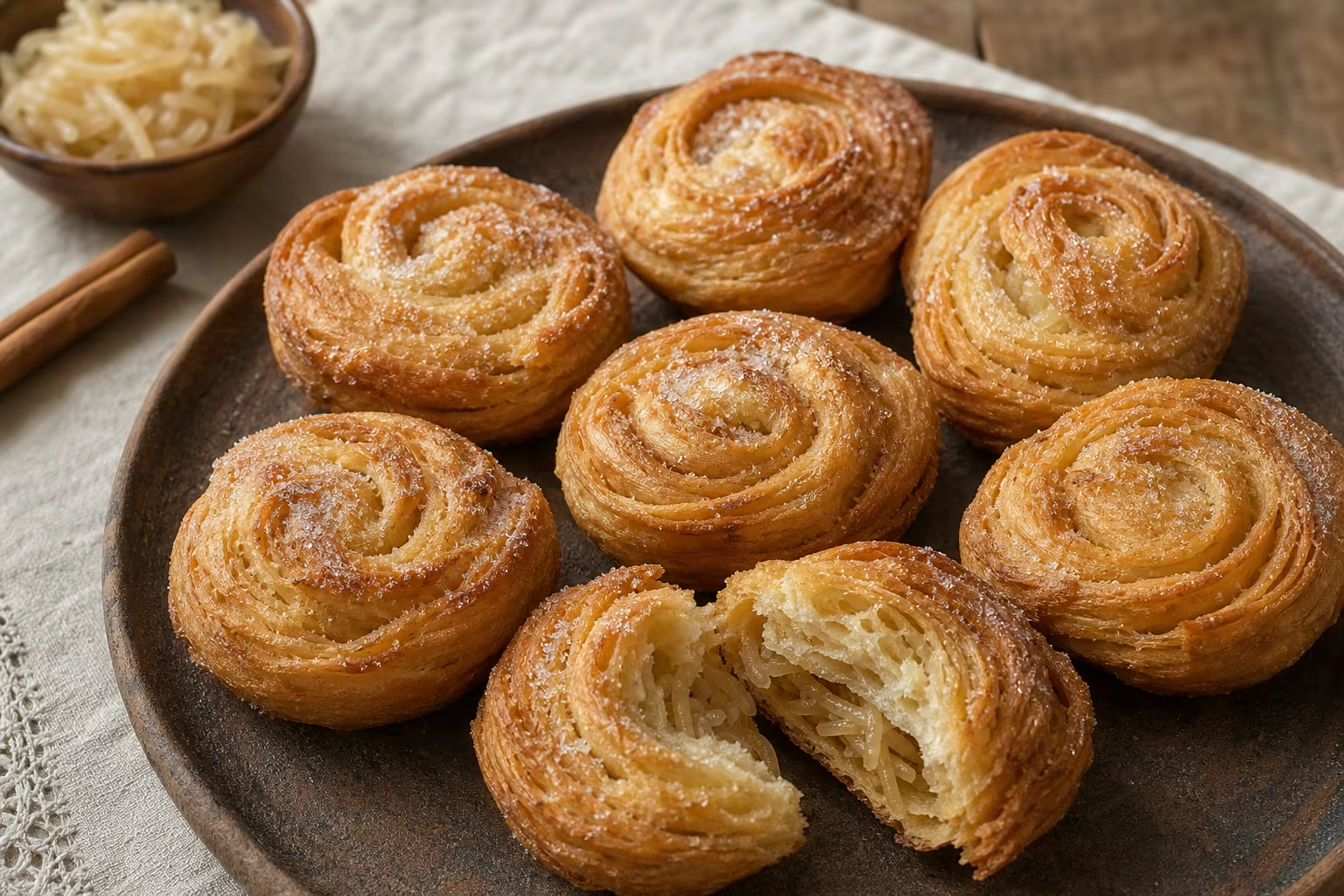
Hora da Buxa publishes this family formula for Alentejo layered cakes with gila: yeast dough scented with cinnamon and aniseed is rolled very thin, wound around a cane, cut with thread, filled and baked at 200°C. The method matches Vidigueira testimony, but the source does not assign the recipe exclusively to the town; it should be read as a documented Alentejo version of the same family.
- Yields
- Not stated by the source
- Prep
- At least 6 hr resting; ideally overnight
- Cook
- 20–25 min
Ingredients
- 1 kg / 2.2 lb Wheat flour
- 100 g / 3.5 oz; the source does not separate the amount used for greasing Lard
- 100 g / 3.5 oz Sugar for the dough
- 1 pinch Salt
- 20 g / 0.7 oz Baker's yeast
- 1/2 tbsp Aniseed
- 1 or 2 sticks Cinnamon sticks
- 1 litre / 33.8 fl oz for the infusion; use only as much as the dough needs Water
- As needed Gila squash preserve
- To taste; mentioned in the method Sugar for dusting
Method
Boil the aniseed and cinnamon in the litre of water for 20 to 30 minutes. Reserve the infusion.
Sift the flour into a large bowl and add the lard, sugar, salt and yeast. Gradually add only as much infusion as needed and knead thoroughly.
Cover with a cloth and leave in a draught-free place for at least 6 hours, ideally overnight.
Lightly grease the worktop and rolling pin with lard. Roll small balls of dough very thin and long, enough to make no more than five or six turns.
Grease a smooth cane with lard, wind the dough around it and carefully remove the cane. Use strong thread to cut 3–4 cm cylinders.
Fill the central tunnel with gila preserve, opening it slightly with a finger; alternatively, unroll each piece, fill and roll it again.
Arrange on a lard-greased tray with ample space: the source warns that the cakes may triple or quadruple in size.
Bake in a preheated 200°C / 390°F oven for about 20 to 25 minutes, until golden and cooked through.
Dust immediately with sugar while still very hot.
Sources for this recipe
The quantities and method were checked against the references below. Family recipes may vary; where no single official formula exists, we present a representative practical version and say so plainly.
Read the editorial policy →